How to Choose a Great Food Tour in Italy: An Expert Guide
By Emilia Delizia – Food & Wine Experiences since 2008
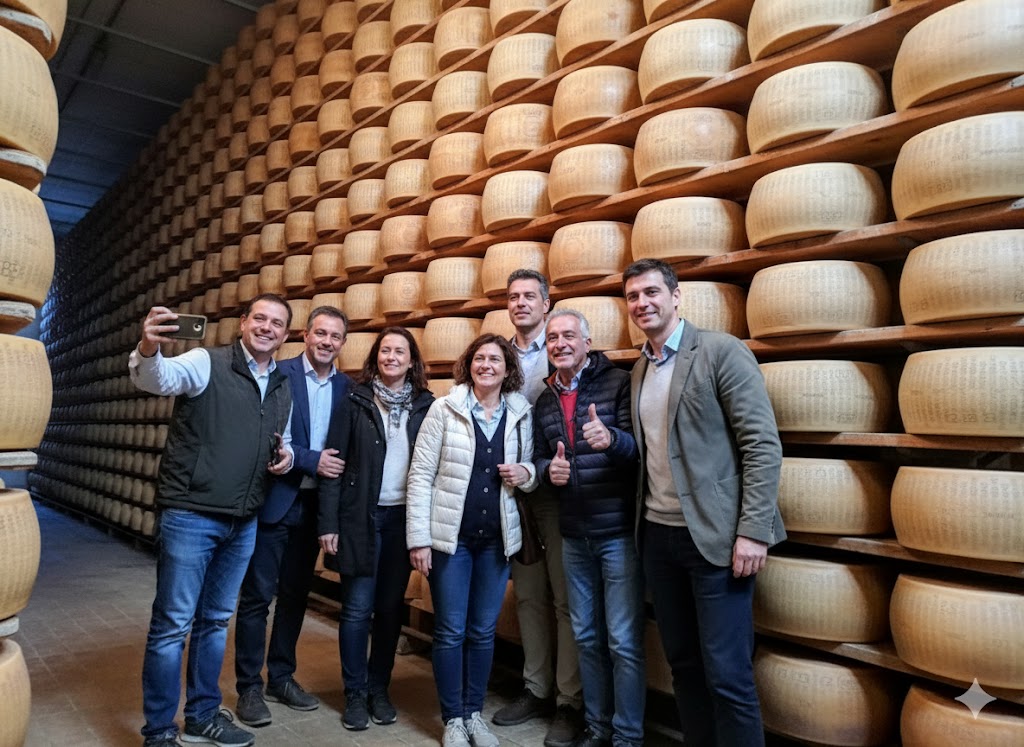
When people dream of Italy, they often picture iconic flavors such as Parmigiano Reggiano, Prosciutto di Parma, aged balsamic vinegar, and hand-made pasta. Discovering these foods in context — meeting the producers, visiting the places where they are made, and understanding the traditions behind them — is what transforms a simple tasting into a meaningful travel experience. For many travelers, joining a tour of food from Parma becomes a way to connect these products to their origins, offering insight into the craftsmanship, landscapes, and everyday rituals that define the region’s culinary identity.
After more than fifteen years organising food experiences across Emilia-Romagna, we’ve seen how certain choices can turn a pleasant morning into a genuinely memorable journey through Italy’s culinary traditions.
This guide shares seven practical criteria (plus a bonus one) to help you evaluate and choose a food tour and cooking class in Modena (Italy) — regardless of the provider you end up booking.
1. Choose Local Operators, Not Resellers
A food tour is shaped by the people who design and lead it. Some companies operate tours directly, while others simply resell experiences created by third parties.
Working with a local operator — such as Emilia Delizia — usually means dealing with people who know the producers personally and understand the rhythm of local food culture beyond scripted explanations.
Insider tip: ask who actually runs the tour on the ground. Direct operators tend to offer deeper access and more flexibility.
2. Don’t Rush — Duration Matters
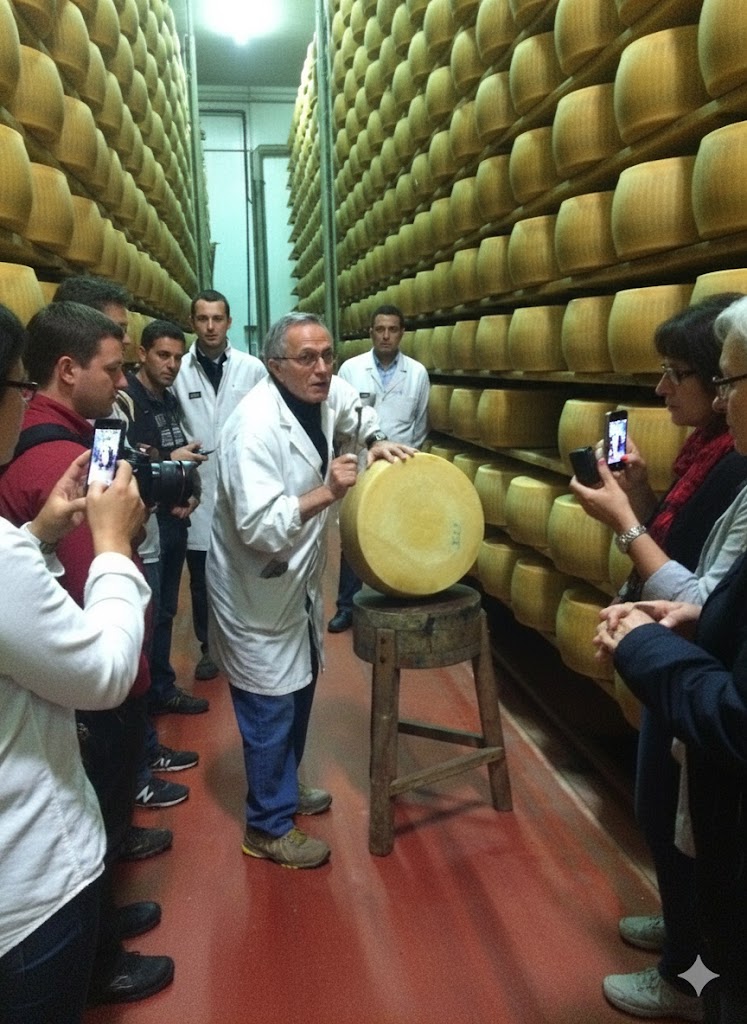
Italian food culture is built around time. Very short tours often prioritise speed over understanding, leaving little room to grasp why a product tastes the way it does.
Full half-day itineraries — typically 4–5 hours — allow visitors to see production stages, ask questions, and enjoy tastings without feeling rushed.
As an example, itineraries like our Foodie’s Delight Tour combine visits to a Parmigiano Reggiano dairy, a traditional balsamic vinegar attic, and a Parma ham producer, followed by lunch — illustrating how a longer format supports a more balanced experience.
Insider tip: be cautious of tours promising “everything in two hours.” Depth usually requires time.
3. Read the Critical Reviews Carefully
Five-star ratings matter, but the most revealing insights often come from how a company responds to criticism.
Professional operators acknowledge issues, explain context, and show willingness to improve — qualities that usually reflect how tours are run day to day.
Insider tip: tone and transparency in replies are often more telling than the complaint itself.
4. Prefer Small Groups
Smaller groups allow for easier conversation, closer access to producers, and a more relaxed pace — particularly in family-run dairies and vinegar lofts.
At Emilia Delizia, for example, most tours are limited to small groups or offered privately, which reflects a broader principle: fewer participants usually means more interaction and learning.
Insider tip: always check maximum group size before booking.
5. Be Cautious with Very Low Prices
Quality food tours involve trained guides, proper tasting portions, and fair compensation for producers.
Extremely low prices often signal compromises, such as shortened visits, limited tastings, or generic stops.
Insider tip: value lies in access and knowledge, not just the number of stops.
6. Understand the Limits of Large Booking Platforms
Large booking platforms prioritise volume and standardisation. While convenient, they often limit communication, flexibility, and personalisation.
Booking directly with local operators — such as via EmiliaDelizia.com — usually provides clearer communication, real-time availability, and the possibility to tailor details in advance.
7. Think Beyond the Tour Day
The most rewarding food tours often extend beyond the visit itself, offering guidance on where to eat next, what to buy, and how to continue exploring independently.
If you plan to travel further, local guides such as Things to Do in La Spezia & Cinque Terre or Things to Do in Parma can help shape the rest of your itinerary.
Are Food Tours in Italy Worth It?
When well designed, food tours offer context, access, and understanding that are difficult to achieve independently — especially in regions with protected products and limited public access.
Further Reading & Examples
For readers interested in seeing how these principles are applied in practice, our Modena Food Tour offers one example of a full-day, small-group food itinerary in Emilia-Romagna.
Discover more from Emilia Delizia
Subscribe to get the latest posts sent to your email.