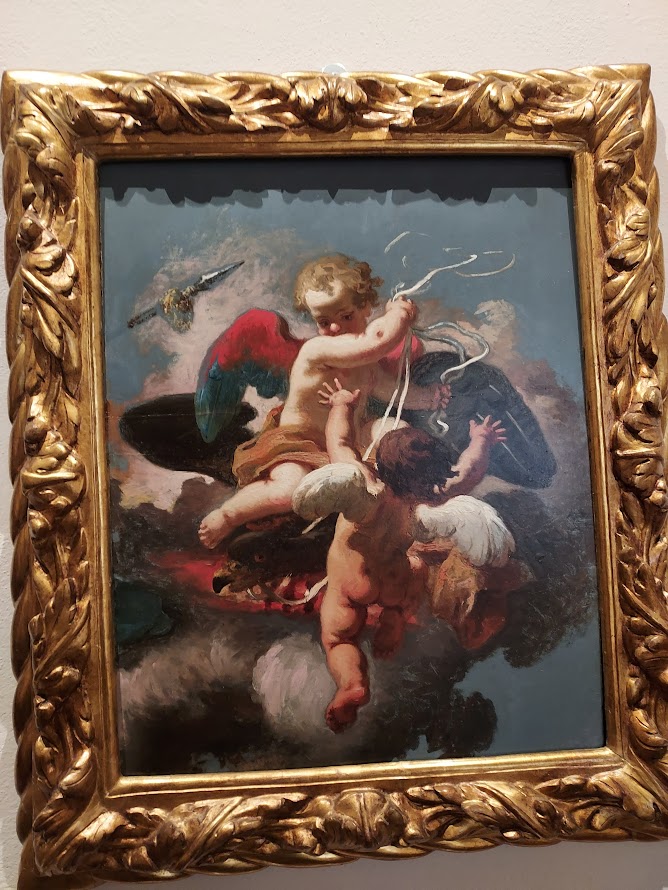
Set in the culinary heartland of Emilia-Romagna, Parma is an ancient city in northern Italy that offers a compelling blend of art, history, music, and gastronomy. While it is internationally celebrated for its food traditions and operatic heritage, Parma also preserves an extraordinary archaeological and artistic legacy that reveals layers of Italy’s past.
Among its many cultural landmarks, the National Gallery of Parma (Galleria Nazionale di Parma) stands out as a cornerstone of the city’s heritage. Located inside the monumental Palazzo della Pilotta, the gallery provides visitors with a journey through centuries of artistic expression, extending beyond painting and sculpture into archaeology and historical artifacts.
A Spotlight on the National Gallery of Parma
Founded in 1839, the National Gallery of Parma reflects the city’s long-standing commitment to preserving and showcasing its cultural patrimony. Housed within the historic interiors of Palazzo della Pilotta, the collection spans multiple disciplines including paintings, sculptures, prints, and archaeological material, representing a timeline that stretches from the Middle Ages through the Renaissance and beyond.
The archaeological section is particularly significant for scholars and history enthusiasts. It features artifacts from prehistoric, Etruscan, and Roman periods discovered in Parma and the surrounding territory. Funerary urns, inscriptions, architectural fragments, and everyday objects offer tangible insights into how these ancient civilizations lived, traded, worshipped, and organized their societies.
Culinary Riches
Any journey through Parma would be incomplete without experiencing its culinary excellence. The wider Emilia-Romagna region is often described as Italy’s “food valley,” and Parma stands at its very core. The city’s global reputation rests on iconic products such as Parmigiano Reggiano cheese and Prosciutto di Parma, both protected by strict DOP certification.
See where the food actually comes from.
The Emilia Delizia food tour takes you inside working Parmigiano, balsamic, and ham producers — rated 4.9 stars on TripAdvisor.
After exploring the gallery, visitors will find an abundance of traditional trattorias and osterias serving local classics such as tortelli d’erbetta, handmade pasta, cured meats, and aged cheeses. For those wishing to deepen their understanding of these products, guided experiences such as a Parma ham tour offer direct access to producers and production methods that define the region’s food culture.
Parma’s Historical Tapestry
Parma’s historic center reflects centuries of architectural evolution, with Romanesque churches, medieval squares, and Renaissance palaces shaping the urban landscape. One of the city’s most important monuments is the Parma Cathedral, renowned for its Romanesque structure, sculpted reliefs, and extraordinary frescoes.
Nearby, the Teatro Farnese — a monumental wooden Baroque theatre located inside Palazzo della Pilotta — stands as a testament to Parma’s historic importance in music, court culture, and stage design. Together, these landmarks create a rich cultural circuit that complements the collections of the National Gallery.
Conclusion
A visit to Parma — particularly through the archaeological and artistic collections of the National Gallery — becomes a journey through time. From ancient civilizations to Renaissance masters and living culinary traditions, the city offers a layered experience that rewards curious travelers. Exploring Parma means discovering a place where history, culture, and food continue to shape everyday life, inviting visitors to engage with Italy’s heritage in a meaningful and memorable way.
Discover more from Emilia Delizia
Subscribe to get the latest posts sent to your email.