Parma is a historic city in north-western Italy, strategically located between Milan, Bologna, and the Ligurian coast. Thanks to excellent rail connections, motorways, and the nearby Verdi Airport, Parma is easy to reach for short breaks as well as longer food-focused journeys.
This accessibility makes Parma an ideal base for a long weekend dedicated to exploring some of Italy’s finest food traditions, medieval castles, and aristocratic palaces scattered across the surrounding countryside.
If you are planning your itinerary, this article fits within our main planning guide: How to Plan Your Trip to Parma.
The Castle of Torrechiara and Parma Ham Country
Heading south from Parma, just 30 minutes by car, you reach the magnificent Castle of Torrechiara, one of the most important medieval fortresses in the region. Once owned by the Rossi family, the castle now functions as a museum and offers panoramic views over the Parma river valley.
The highlight of the visit is the famous “Camera d’Oro”, the bedroom dedicated to Pier Maria Rossi’s lover, Bianca. Beyond the castle itself, this area is also the heart of Prosciutto di Parma production.
The nearby town of Langhirano is home to some of the best ham producers in Italy, many of whom welcome visitors. A unique experience is staying at a local castle B&B and dining at Locanda del Castello, a restaurant specialising in traditional Parma cuisine.
Explore accommodation and activity packages in the Parma countryside
Farm Stays and Parmigiano Reggiano Production
For a deeper rural experience, staying at a farm near Parma allows visitors to combine relaxation with food discovery. In areas such as Lesignano de’ Bagni, guests can wake up to a farmhouse breakfast and then visit a working Parmigiano Reggiano dairy.
Many dairies can be visited through an organised Parmesan tour from Parma, which allows travellers to witness the early-morning production process, explore ageing warehouses filled with cheese wheels, and participate in guided tastings.
This area also lies close to traditional balsamic vinegar producers, making it possible to explore three iconic products — Parmigiano Reggiano, Parma ham, and balsamic vinegar — within a single short stay.
Colorno: “Little Paris” and Culatello Country
North of Parma lies Colorno, once known as “Little Paris” due to its elegant riverside setting and French influence during the Napoleonic period. The town was home to Marie Louise, Duchess of Parma and wife of Napoleon, who resided in the magnificent Ducal Palace.
The Ducal Palace of Colorno is a remarkable example of Renaissance architecture and can be visited with guided tours. The surrounding English-style gardens are freely accessible during daylight hours.
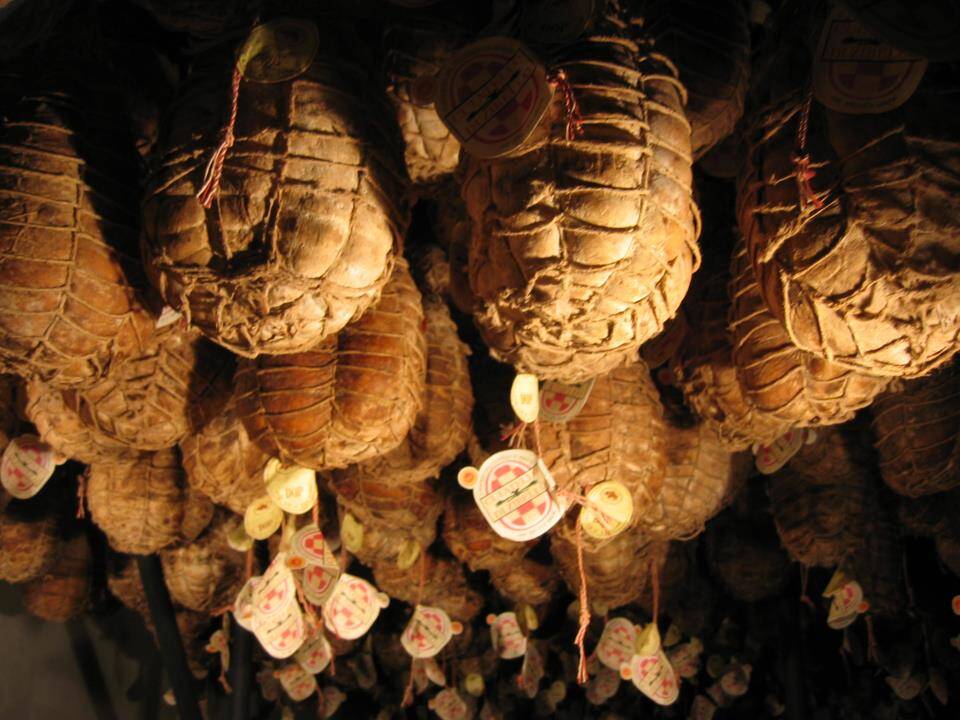
Colorno is also one of the gateways to Culatello di Zibello production. Many producers in the area offer cellar visits — simply follow the Culatello road signs and enquire locally.
Polesine Parmense and Antica Corte Pallavicina
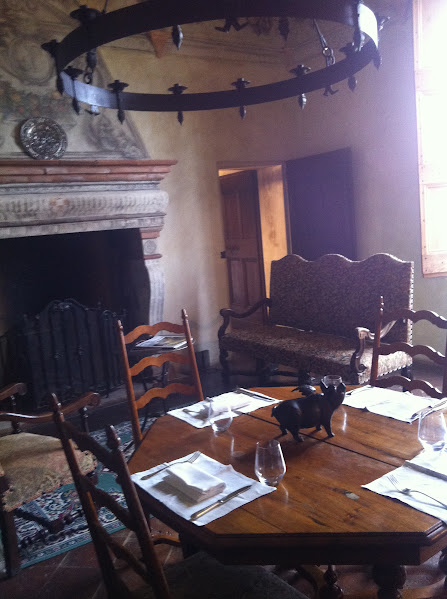
Continuing north toward the Po River, you arrive at Polesine Parmense. The highlight here is Antica Corte Pallavicina, a historic estate restored by Massimo Spigaroli, one of the most respected custodians of Culatello traditions.
The palace sits directly on the banks of the Po and houses vast brick cellars filled with ageing culatelli. Visitors can tour the cellars, join cooking classes, participate in ham-making sessions, or stay overnight in the elegantly restored rooms.
Roccabianca
Roccabianca, literally “the white castle”, rises from the flatlands near the Po River. Built by Pier Maria Rossi for Bianca, it is one of the most atmospheric castles in the area, with ivy-covered courtyards and a distinctly romantic character.
Roccabianca is also associated with the Italian writer Giovannino Guareschi, creator of Don Camillo and Peppone. His house can be visited, offering cultural insight alongside culinary discovery.
As elsewhere in this region, Culatello is produced locally and can often be tasted directly from small producers.
Want to taste Emilia-Romagna's finest products?
Our half-day food tour from Bologna or Modena visits a Parmigiano dairy, a balsamic acetaia, and a prosciutto producer — transport included.
Zibello
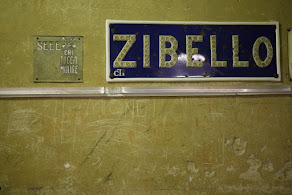
Zibello is the historic home of Culatello di Zibello and the headquarters of its consortium. Every November, the town hosts the famous November Porc festival, entirely dedicated to pork specialities.
The festival’s slogan — “Speriamo che ci sia la nebbia” (“We hope it will be foggy”) — reflects the belief that fog and humidity are essential to the proper curing of Culatello.
Soragna
In Soragna, visitors will again find the perfect combination of castle and cured meat. The town centre is characterised by elegant porticoes, while the Rocca di Soragna remains inhabited by descendants of the Lupi family.
Guided visits can be organised, and Culatello producers are located nearby.
San Secondo Parmense
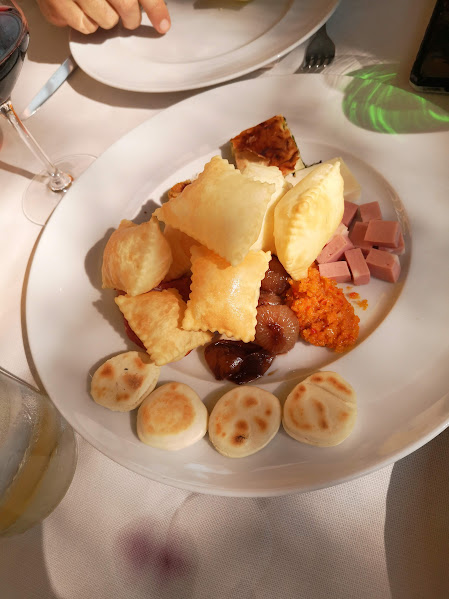
San Secondo Parmense is famous for Spalla di San Secondo, a cooked pork shoulder traditionally served warm with torta fritta. Together, they offer a deeply satisfying local experience.
Local wines such as Fortana or Fortanina pair particularly well with these dishes — light, fruity, and perfect for foggy evenings in the Po Valley.
Cycling Along the Po River from Parma
The Po River area offers excellent opportunities for cycling and walking. The terrain is flat and accessible, making routes suitable for most fitness levels.
Visitors can rent bicycles locally and combine cycling with boat navigation on the river, often including a stop in Cremona. These itineraries frequently include visits to Culatello producers along the way.
Frequently Asked Questions
What castles can you visit near Parma in a day?
The Parma countryside is home to several impressive castles within easy driving distance. The most visited are the Castle of Torrechiara (30 minutes south of Parma, famous for its Camera d’Oro), Roccabianca (a romantic ivy-covered fortress near the Po), Rocca di Soragna (still inhabited by its noble family), and the Ducal Palace of Colorno to the north. Each sits within or near Culatello or Prosciutto di Parma production territory, making it easy to combine castle visits with food tastings.
How do you get from Parma to the Culatello production area?
The Culatello di Zibello production zone lies in the Po lowlands north of Parma, centred around the villages of Zibello, Polesine Parmense, Soragna, and San Secondo Parmense. By car the drive from Parma takes 30–50 minutes depending on your destination. There is no practical public transport to most of these villages, so a car is strongly recommended. Colorno is the main gateway town and a useful starting point.
What is the November Porc festival in Zibello?
November Porc is an annual festival held in Zibello every November, entirely dedicated to pork and the traditions of Culatello di Zibello production. Producers open their cellars, tastings are held throughout the town, and the event celebrates the foggy Po Valley microclimate that makes Culatello possible. The festival’s motto — “Speriamo che ci sia la nebbia” (“We hope it will be foggy”) — captures the spirit perfectly.
Can you visit Parmigiano Reggiano dairies near Parma?
Yes. Several working Parmigiano Reggiano dairies in the Parma countryside welcome visitors, typically in the early morning when production takes place (from around 8am). The dairies offer guided visits showing the full production process, ageing warehouses stacked with wheels, and tastings. Dairies in the Lesignano de’ Bagni area are particularly accessible from Parma. Booking in advance is essential.
What is Spalla di San Secondo?
Spalla di San Secondo is a traditional cured pork shoulder produced in San Secondo Parmense, a small town in the Po lowlands west of Parma. Unlike Prosciutto di Parma, which is served raw, Spalla di San Secondo is cooked and served warm, traditionally accompanied by torta fritta (fried dough). It is one of the lesser-known but most celebrated local specialities of the area.
What is the Ducal Palace of Colorno?
The Ducal Palace of Colorno is a grand Baroque palace on the banks of the Parma river in the town of Colorno, often called “Little Paris” for its elegant French-influenced architecture. It served as the residence of Marie Louise, Duchess of Parma and wife of Napoleon, and can be visited with guided tours. The surrounding English-style gardens are freely accessible during daylight hours.
Can you cycle along the Po River near Parma?
Yes. The Po River plain is flat and ideal for cycling. Several signed cycling routes connect the villages of the Culatello production zone, including Zibello, Polesine Parmense, Soragna, and San Secondo Parmense. Bicycles can be rented locally. Some itineraries combine cycling with boat trips on the Po and stops at Culatello producers along the way.
What wine pairs best with Culatello and Parma ham?
The classic local pairing for Culatello di Zibello is Fortana (also called Fortanina), a light, slightly sparkling red wine produced along the Po River. For Prosciutto di Parma, Lambrusco — a fizzy, fruity red — is the traditional choice. Both wines have enough acidity and lightness to cut through the richness of cured meats without overpowering them.
Want to Experience This Parma Day with a Local?
We organise private itineraries combining ham producers, Culatello cellars, and castle visits — tailored entirely to your pace and interests.
Plan Your Parma Day →Discover more from Emilia Delizia
Subscribe to get the latest posts sent to your email.