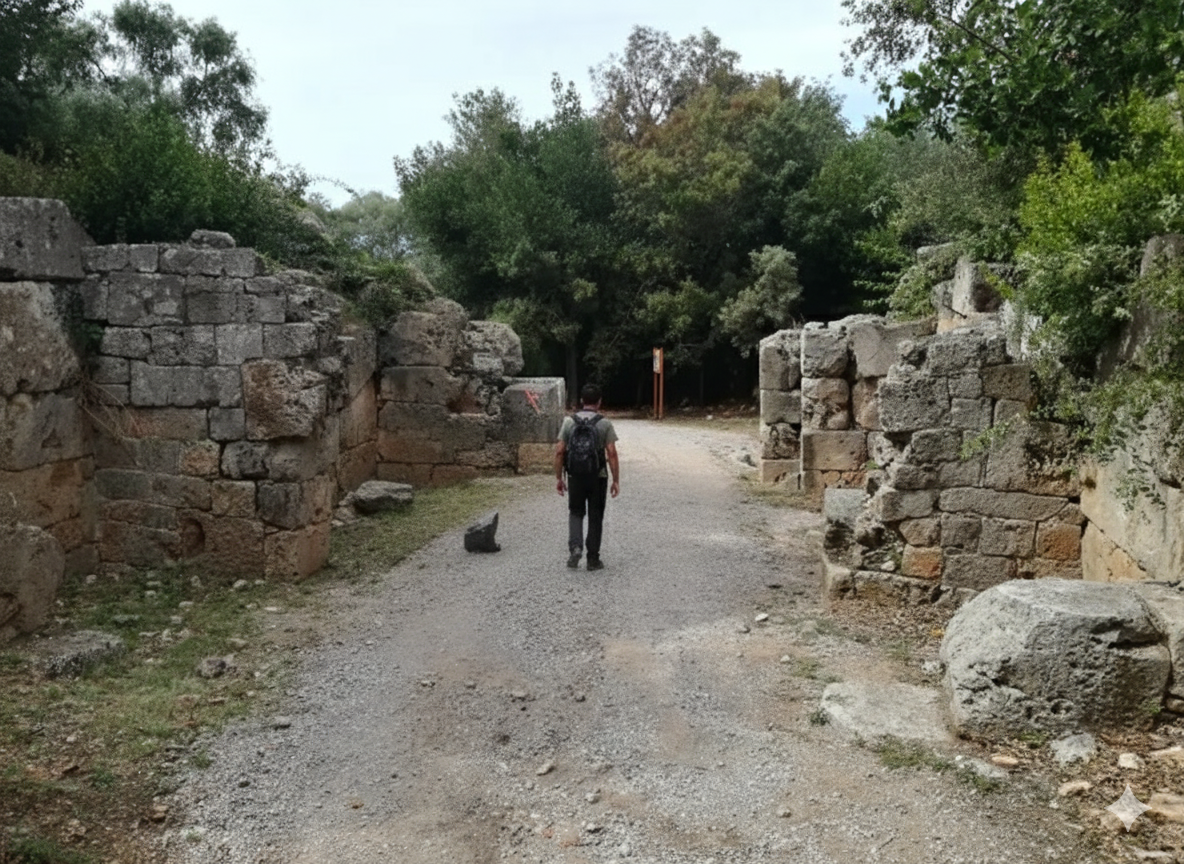
Cosa, an ancient Roman settlement perched majestically on a hill in Ansedonia, near Monte Argentario, offers a remarkable blend of history and scenic beauty. Situated about 300 meters above the sparkling sea, this archaeological gem provides not only a deep dive into Roman architecture and society but also breathtaking views of the surrounding Tuscan landscape, including the Orbetello lagoon, the Feniglia Nature Reserve, and the Giannella tombolo.
The Historical Heartbeat of Cosa
Founded in 273 BCE, Cosa was the first Roman colony in the Maremma region of Tuscany. As you walk through its ruins today, the echoes of ancient Rome come alive. The sprawling 1.5-kilometer city walls, constructed with an awe-inspiring precision that has withstood the test of millennia, guard the secrets of this ancient city. As you pass through the main entrances and explore the towers, you can almost hear the whispers of traders, soldiers, and citizens who once roamed this thriving colony.
One cannot speak of Cosa without mentioning its striking temples. These ruins, though worn by time, are expansive in imagination. Standing where these temples once drew congregations gives you a tangible connection to the religious and cultural practices of the early Romans.
The National Museum of Archeology: Cosa’s Treasures Under One Roof
Just a stone’s throw away lies the National Museum of Archeology, which is an absolute must-visit for history buffs and casual travelers alike. This museum conserves artifacts excavated from Cosa and the surrounding region, providing a comprehensive look into the daily lives of its ancient inhabitants. The museum curates everything from pottery to intricate tools, offering insight into the sophistication of Roman engineering and daily life.
As someone who has marveled at the intricacy and craftsmanship of these artifacts, I can attest to the museum’s ability to transport visitors back in time, painting a vivid picture of Roman society.
Planning Your Visit
Reaching Cosa is a straightforward journey from many Italian cities. If you’re in Rome, a drive of about one and half hours north through the picturesque Lazio and Tuscany countryside will lead you directly to Ansedonia. Alternatively, if public transport is your preference, the nearest major train station is in Orbetello, just a short drive or taxi ride away from the site.
The site and museum are generally open from April to October, with reduced opening hours during the off-peak months of November to March. Accessibility to the ruins is decent, with clear paths, though wearing comfortable shoes is advisable to manage the uneven Roman pavement. In the summer, an early morning or late afternoon visit is ideal to avoid the peak of midday heat.
More Than Just Ruins: The Alluring Surroundings
Cosa’s stunning views are enough to steal your breath away, but the surrounding region holds its own mystique. Monte Argentario, a steep promontory rich in natural beauty and dotted with man-made terraces through history, offers enticing trails for trekking and biking enthusiasts. Enveloped in lush Mediterranean scrub, the paths provide a serene escape into nature, with the shimmering Tyrrhenian Sea as your backdrop.
Porto Ercole and Porto Santo Stefano, fashionable seaside towns nearby, offer charming harbors, delectable seafood cuisine, and plenty of chic seaside spots to unwind after a day of exploration.
Embrace the Culture and Events
While Cosa itself is a historic monument to Roman times, the cultural experiences extend well beyond. The Tuscan region remains alive with traditional festivals and modern events. Depending on your timing, you might find yourself immersed in vibrant local traditions, such as the Palio Marinaro in Porto Santo Stefano, where colorful teams race traditional boats in an exciting regatta.
For those enamored by the arts, regional art galleries host a rotation of exhibitions featuring both contemporary and classic works, reflecting the region’s rich artist heritage inspired by its breathtaking landscapes.
A Final Word
In a world where ancient history often seems distant and disconnected, Cosa serves as a vibrant testament to the timeless allure of Roman civilization and the timeless beauty of Tuscany’s landscapes. It invites travelers not only to witness history but to experience it deeply, amid the evocative ruins of a grand civilization and the stunning vistas of the Italian coast.
Whether you’re a seasoned historian or someone seeking the next grand adventure, Cosa promises an unforgettable experience that captures the essence of Italy’s enchanting past and picturesque present. From the top of its ancient hill, Cosa whispers tales echoing through the ages, inviting you to listen to its story, soak in its views, and leave spellbound by its magic.
Discover more from Emilia Delizia
Subscribe to get the latest posts sent to your email.