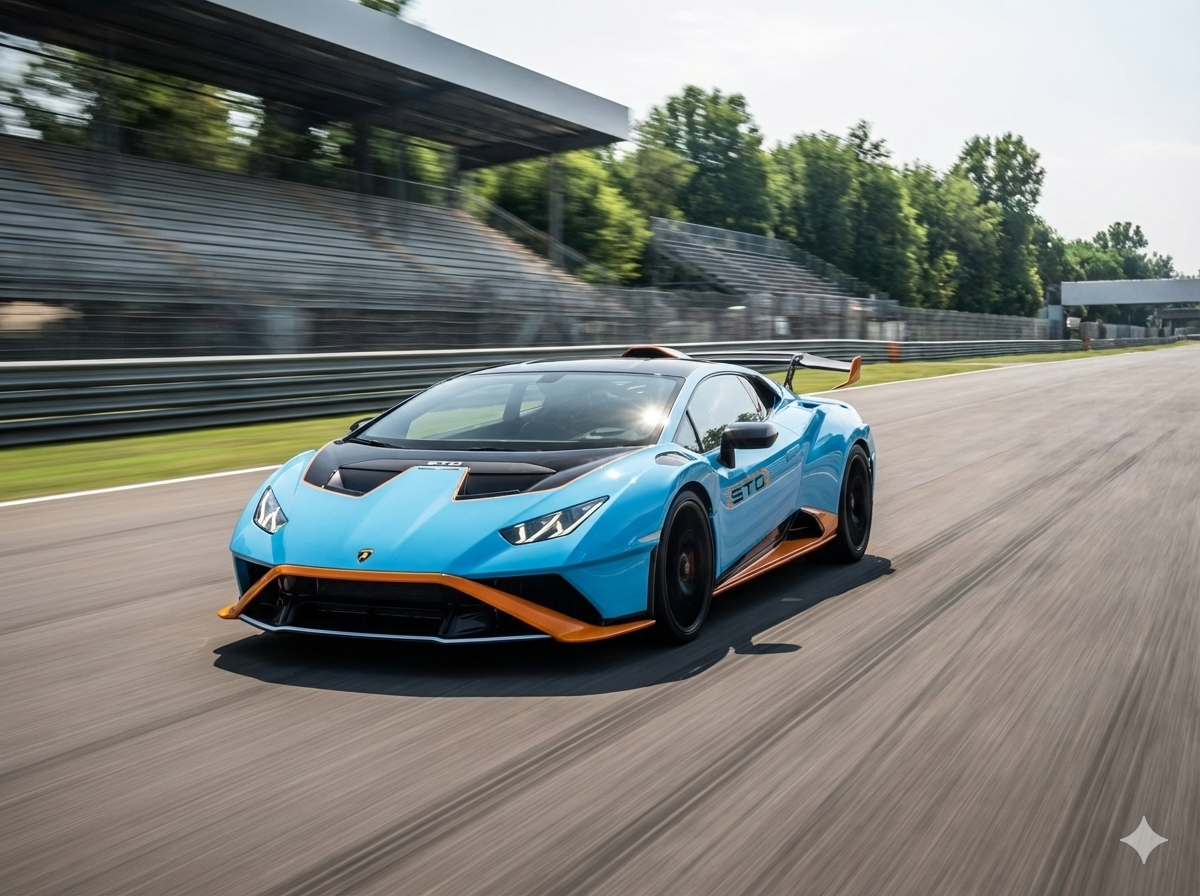
Driving a Ferrari or another high-performance car in Italy appeals to many travellers, especially those visiting Emilia-Romagna and Tuscany. While these experiences do exist, the reality is often different from expectations. Understanding how supercar driving works — and what it actually involves — helps place it in the right context within an Italian trip.
For most visitors, these activities are best viewed as a short novelty rather than a central travel experience. Italy’s automotive heritage is rich and fascinating, but it is deeply intertwined with local culture, craftsmanship, and regional traditions.
Can tourists drive supercars in Italy?
Yes, tourists can drive supercars in Italy, but almost always under controlled conditions. These experiences are organised by third-party operators and typically include either short road drives accompanied by an instructor or limited laps on a professional racing circuit. They are not car rentals in the traditional sense and are subject to strict rules.
Most operators require drivers to be at least 21 years old and to hold a valid driving licence for a minimum of two years. Non-EU visitors are generally required to carry an International Driving Permit in addition to their national licence. Some experiences may also require a medical certificate or proof of insurance coverage.
Road driving vs racing circuits
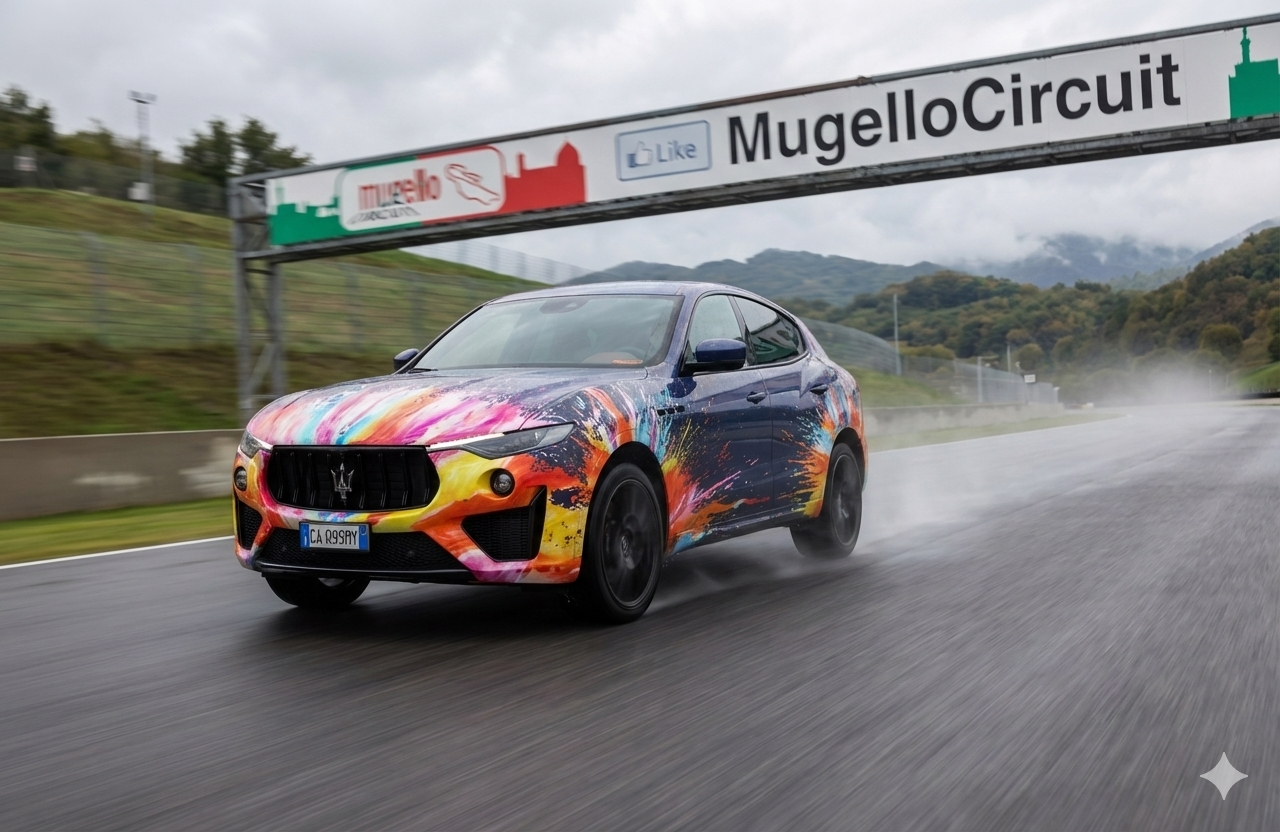
Supercar experiences in Italy usually fall into two categories: road driving or track driving.
Road driving experiences take place on public roads, most commonly around Maranello and Modena. An instructor is always present, and the focus is usually on enjoying the sound and feel of the car rather than high speeds. These drives are typically short and highly regulated.
Track driving experiences are held on professional circuits such as Imola, Mugello, or Monza. These offer a more controlled environment, often beginning with a briefing or demonstration lap before participants complete a limited number of laps themselves. Safety gear is usually provided, and professional instructors supervise all activity.
Where these experiences usually take place
Maranello and Modena are closely associated with Ferrari and form part of Italy’s renowned Motor Valley, a region known for automotive design and engineering excellence. Other well-known locations include Imola, Mugello in Tuscany, and Monza near Milan, each offering a different atmosphere and type of experience.
Visitors interested in understanding this heritage without driving often explore museums and exhibitions. In Emilia-Romagna, factory museums and private collections provide insight into design, history, and craftsmanship, offering a deeper appreciation of Italy’s automotive culture without the pressure of driving.
Available supercars in recent years
Depending on the operator and location, supercar experiences in Italy may feature a range of vehicles including Ferrari, Lamborghini, Porsche, and other high-performance models. Availability changes frequently, and cars are rotated based on season, maintenance schedules, and track calendars.
Rather than focusing on specific models, many travellers find it more rewarding to view these experiences as an introduction to Italy’s automotive culture rather than a chance to test the limits of a particular car.
Costs, timing, and realistic expectations
Supercar driving experiences are typically short, often lasting between 30 and 90 minutes including briefing time. Costs vary depending on the car, location, and whether the experience takes place on public roads or a racing circuit. Prices can range from relatively accessible introductory drives to premium track sessions.
Because of their structure and duration, these activities are best considered a brief highlight rather than the main focus of a journey. Weather conditions, track availability, and seasonal demand can all affect scheduling, making advance planning important.
A broader way to experience Motor Valley
Emilia-Romagna’s automotive legacy is best understood as part of a wider cultural landscape. The same values that define the region’s cars — precision, patience, and craftsmanship — are also found in its food traditions and historic centres.
In Modena, many visitors combine an interest in automotive heritage with time spent exploring the city itself. Short itineraries such as what to do in Modena in three hours allow travellers to balance museums, architecture, and relaxed meals in the historic centre.
This perspective is reflected in stories that connect food and automotive culture, such as Supercars and Super Foods of Modena or more immersive journeys linking Bologna and Modena through cuisine and heritage.
For travellers seeking a deeper connection to Italy, combining Motor Valley insights with local gastronomy, historic architecture, and slower-paced exploration often results in a more rewarding and memorable journey.
Discover more from Emilia Delizia
Subscribe to get the latest posts sent to your email.