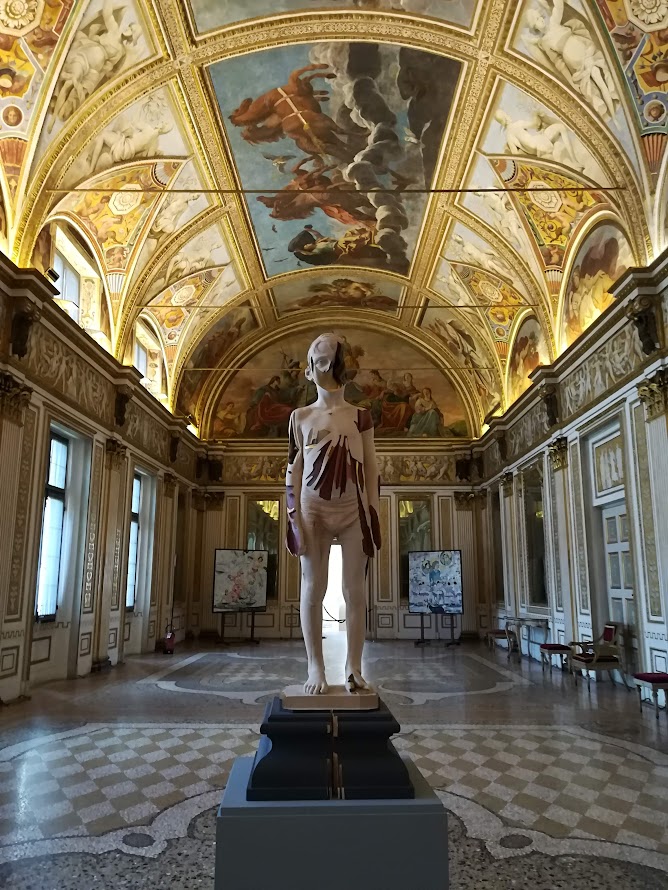
Mantua (Mantova in Italian) is a refined yet understated city in northern Italy, where Renaissance architecture meets a deeply rooted culinary tradition. Sitting on the fertile plains of the Po Valley and embraced by the waters of the Mincio River, Mantua shares many gastronomic influences with neighbouring Emilia-Romagna while preserving its own distinctive identity.
Visitors will encounter a cuisine built around stuffed fresh pasta, aged cheeses, sweet-and-savory pumpkin dishes, fruit preserves scented with mustard, and slow-cooked meats.
Cheese Traditions: Parmigiano Reggiano and Grana Padano
The Mantua area produces both Parmigiano Reggiano and Grana Padano. Parmigiano Reggiano is only made in a limited zone south of the Po River, close to the border with the province of Modena, and visiting a dairy producer remains one of the most rewarding food experiences in the region.
Grana Padano, also protected by PDO status, is produced more widely across northern Italy. While excellent in its own right, it follows slightly different ageing rules and production standards, which give it a milder flavour profile compared to Parmigiano Reggiano.
Pumpkin: The Queen of Mantuan Cuisine
Thanks to the fertile soils of the Po Valley, pumpkins, melons, and watermelons thrive in the Mantua countryside. Pumpkin in particular has become the symbolic ingredient of Mantuan cuisine.
The most iconic dish is tortelli di zucca — fresh egg pasta parcels filled with sweet pumpkin purée, often enriched with crushed amaretti biscuits and sometimes a hint of mostaccino spice. The result is a delicate balance between sweet and savoury, traditionally served with melted butter, Parmigiano Reggiano, and occasionally a few drops of balsamic vinegar.
Mostarda and Bollito Misto
Another cornerstone of Mantua’s culinary heritage is mostarda: fruit and vegetables preserved in a sweet syrup infused with mustard essence. Pears, apples, cherries, quinces, and pumpkins are among the most common ingredients.
Mostarda is traditionally served alongside bollito misto, a selection of slowly boiled meats such as beef brisket, capon, tongue, and cotechino sausage. The contrast between tender meats and the sweet, slightly spicy fruit preserves is surprisingly harmonious, especially during the colder months.
Traditional Desserts: Sbrisolona and Torta di Tagliatelle
Mantua is also known for its distinctive desserts. Torta sbrisolona is a rustic almond crumble cake with a coarse, crumbly texture, traditionally broken by hand rather than sliced. It pairs beautifully with espresso or a glass of dessert wine and can be found in many historic cafés around the main squares.
Torta di tagliatelle is more playful: a shortcrust base topped with thin egg pasta strands mixed with sugar, butter, and almonds, baked until golden and crunchy. It’s an unexpected but delightful example of how pasta even finds its way into dessert in northern Italy.
Relaxing Along the Lakes of the Mincio
Mantua is uniquely surrounded by three lakes formed by the Mincio River, which originates from Lake Garda. This natural setting gives the city a calm, almost lagoon-like atmosphere. During the warmer months, locals and visitors alike enjoy walking, cycling, or simply relaxing along the lakeside promenades.
The combination of Renaissance architecture, reflective water landscapes, and open green spaces makes Mantua one of the most visually charming cities in the Po Valley.
A Perfect Stop Between Emilia and Lombardy
If you’re exploring northern Italy, Mantua fits naturally into a broader itinerary connecting Parma, Modena, and Bologna. It offers a quieter, more intimate perspective on regional food traditions and Italian history while remaining easily accessible by train or car.
To explore the food producers of the wider region — Parmigiano Reggiano dairies, Parma ham factories, balsamic vinegar acetaie — the Foodies’ Delight food tour covers all of it in a single guided day from Bologna. For a broader cultural overview of the city, see Mantua’s Renaissance heritage and nearby attractions.
Frequently asked questions
What is the most famous dish in Mantua?
Tortelli di zucca — fresh egg pasta filled with pumpkin purée, amaretti biscuits, and mostaccino spice, served with butter and Parmigiano Reggiano. It is the dish most closely identified with Mantuan cuisine and appears on virtually every traditional restaurant menu in the city.
What is mostarda di Mantova?
Mostarda is a condiment of whole fruits or vegetables — pears, quinces, cherries, pumpkin — preserved in a sweet syrup spiked with mustard essence. It has a distinctive sweet-and-sharp flavour and is traditionally served alongside bollito misto (mixed boiled meats). Mantua’s version tends to use larger whole fruits rather than the finely chopped style found in Cremona.
What is sbrisolona?
Torta sbrisolona is a Mantuan almond crumble cake with a coarse, sandy texture. It is not cut with a knife but broken into irregular chunks by hand — the name comes from “sbriсiolare”, to crumble. It is typically served with espresso or a small glass of passito wine.
Is Mantua in Emilia-Romagna?
No — Mantua is in Lombardy. However, the southern part of the province, around the Po River, falls within the Parmigiano Reggiano PDO production zone, and the city’s food culture shares many characteristics with neighbouring Emilia-Romagna, particularly in its use of fresh egg pasta, aged cheeses, and cured meats.
Is Mantua worth visiting for food?
Yes, particularly if you are already in the area between Bologna, Parma, and Verona. The food is distinctive — tortelli di zucca, mostarda, sbrisolona, and bollito misto are not dishes you encounter elsewhere in the same form. The city is also small enough to cover on foot in a day, with several good traditional restaurants around Piazza Sordello and the surrounding streets.
Discover more from Emilia Delizia
Subscribe to get the latest posts sent to your email.