A Food Experience in the Bologna Province, Emilia-Romagna
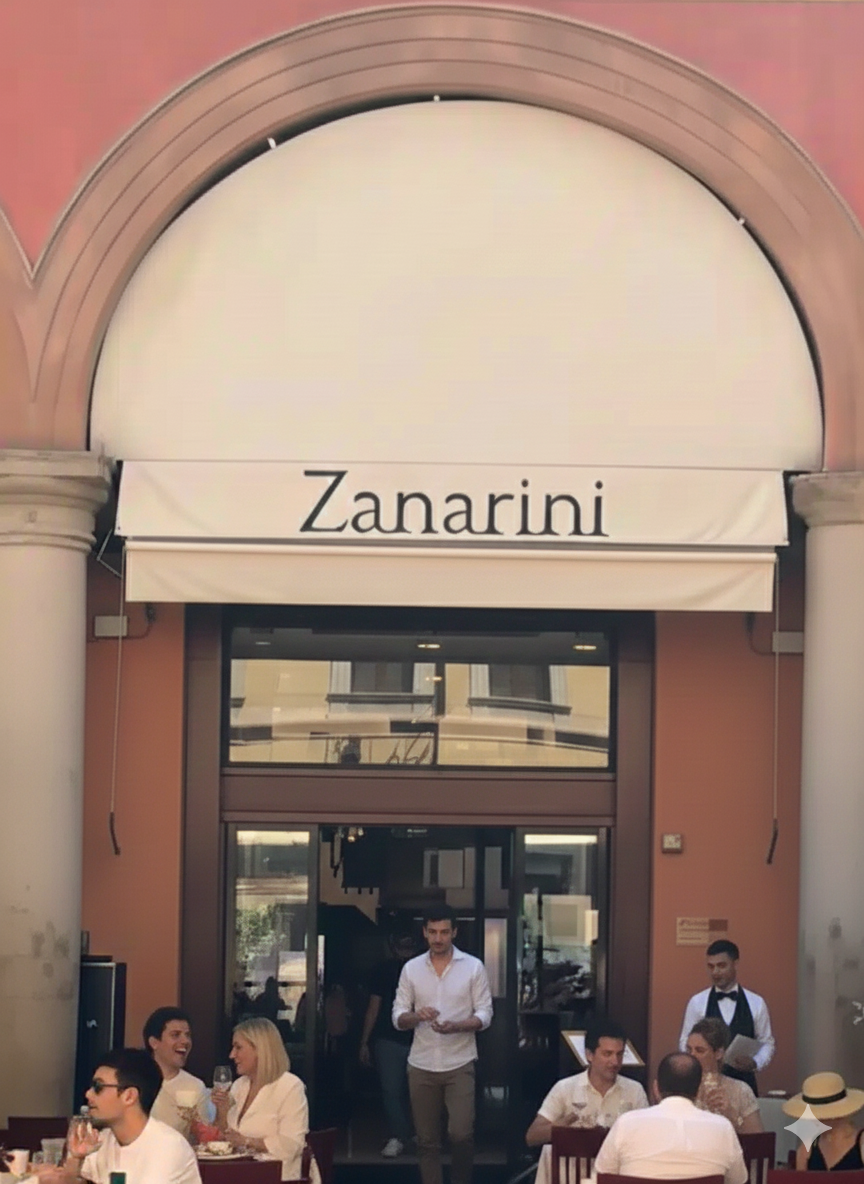
Bologna has always been a city where food, culture, and everyday life blend naturally. In The Garden of the Finzi-Continis, the protagonist dines at Pappagallo and drinks coffee at Zanarini — historic establishments that still welcome visitors today. The city is known as “la dotta” (the learned), thanks to Europe’s oldest university founded in 1088, and “la grassa” (the fat), for its extraordinary culinary wealth and generous hospitality.
If this is your first time discovering the region, start here: How to Plan Your Trip to Bologna.
Bologna: Architecture, History, and Everyday Food Culture
The historic centre unfolds around Piazza Maggiore, the Two Towers, San Petronio Basilica and the ancient university quarter. Walking under kilometres of arcades, you quickly realise how deeply food is woven into daily life — bakeries, delicatessens, fresh pasta shops and small trattorie appear on almost every street.
Bologna’s culinary identity is built on simplicity and quality. Tagliatelle with ragù, tortellini handmade one by one according to traditional recipes deposited at the Chamber of Commerce, rich lasagne layered with béchamel, and the fragrant pinza cake mentioned in historical texts as early as the 17th century all tell the story of a prosperous agricultural region.
The Hills and Countryside Around Bologna
Beyond the city gates, the gentle hills form a green natural ring around Bologna. Monteveglio, with its ancient abbey and protected park, offers scenic landscapes and quiet villages surrounded by vineyards and orchards.
The province is crossed by the historic Via Emilia. To the north lies the fertile Po Valley, shaped by the Reno River and characterised by intensive farming. This area produces iconic specialties such as Mortadella di Bologna IGP, the potatoes of Medicina, green asparagus of Altedo IGP and local wines such as Montuni DOC.
South of the Via Emilia, limestone hills known as the Gessi Bolognesi rise toward the Apennines, creating micro-climates ideal for viticulture and woodland products.
Wines of the Bolognese Hills
Vineyards dominate the hills between the Panaro and Idice rivers, home to the Colli Bolognesi DOC. Vineyards typically sit between 100 and 300 metres above sea level, on loose clay soils that favour expressive whites and structured reds.
The flagship white grape is Pignoletto, fresh and mineral, while Barbera remains the most widely planted red. Further east, Albana di Romagna DOCG and the wines of Colli Imola mark the transition toward Romagna’s wine traditions.
See where the food actually comes from.
The Emilia Delizia food tour takes you inside working Parmigiano, balsamic, and ham producers — rated 4.9 stars on TripAdvisor.
Castles, Truffles, and Mountain Flavours
To the west, the scenic Route of Cherries and Castles leads toward Vignola, passing Renaissance villages and orchards. Seasonal produce dominates the local tables — mushrooms, chestnuts, truffles and mountain cheeses enrich the classic pasta and cured meats of the plains.
Savigno is especially famous for its white truffle festival in autumn, while Castel di Casio and the Reno valley remain important gathering areas for wild fungi. Further south, Castel del Rio opens the way toward the Tuscan Apennines, known for chestnuts and mountain gastronomy.
Traditional Balsamic Vinegar: A Hidden Treasure Near Bologna
Just a short drive west of Bologna, in the province of Modena, one of Italy’s most precious culinary products slowly matures in silent attic spaces: Aceto Balsamico Tradizionale di Modena DOP. Unlike commercial balsamic vinegar, the traditional version is produced from cooked grape must and aged for a minimum of 12 years in a series of progressively smaller wooden barrels known as a batteria.
For centuries, families prepared a new set of barrels at the birth of a daughter, allowing the vinegar to age as part of her future dowry. Production takes place in warm attics where seasonal temperature changes help the vinegar concentrate and develop its complex aromas of dried fruit, wood, and caramelised grape.
Although deeply associated with Modena, visitors staying in Bologna can easily discover this tradition through a guided balsamic vinegar tasting from Bologna, which offers insight into the aging process and the difference between IGP and DOP classifications. Tastings typically include several age categories, allowing you to understand how time transforms texture, acidity and sweetness.
Experiencing balsamic in its place of origin reveals how closely it is connected to the landscape of Emilia-Romagna — the vineyards, the wooden barrels crafted from local forests, and the generational knowledge passed down within families.
Discovering Emilia-Romagna Through Food
Food in the Bologna province is not only about recipes — it reflects geography, climate, farming traditions and centuries of trade along the Via Emilia. Markets, vineyards, dairies and mountain villages each contribute a different layer to the region’s identity.
To explore more about the wider Emilia-Romagna region and its culinary heritage, visit our main site: Emilia Delizia.
Discover more from Emilia Delizia
Subscribe to get the latest posts sent to your email.