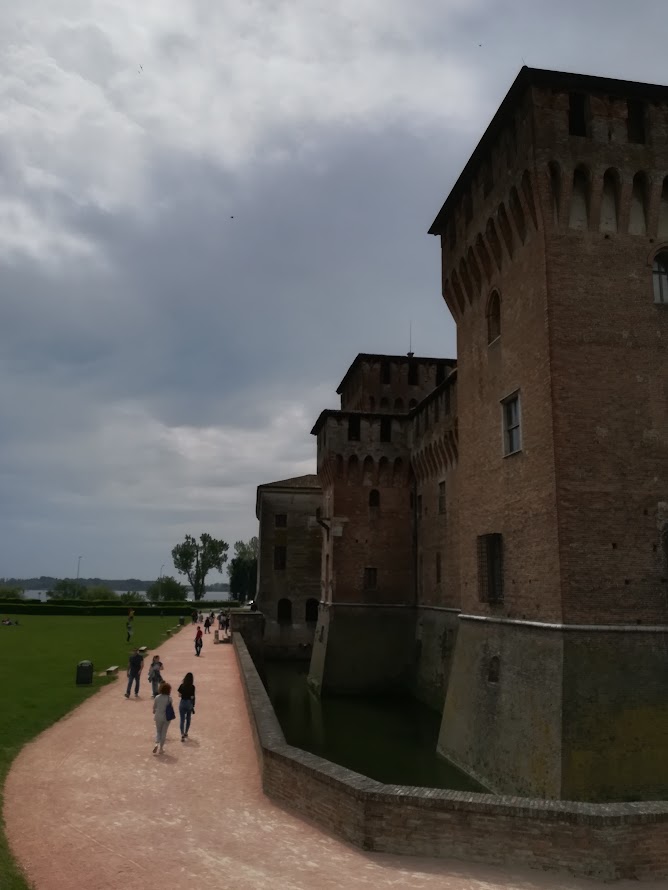
Mantua: Renaissance Beauty, Architecture and Food Traditions
Mantua — or Mantova in Italian — is the quieter yet remarkably elegant neighbour of well-known cities such as Parma, Verona, and Venice. Often described as one of Lombardy’s finest cultural destinations, Mantua offers a rare combination of Renaissance heritage, relaxed atmosphere, and deeply rooted food traditions.
Perched on the banks of the River Mincio and embraced by three artificial lakes, the city enjoys a unique natural setting that enhances its architectural beauty. In 2008, Mantua was recognised as a UNESCO World Heritage Site, celebrating its extraordinary urban fabric shaped largely by the powerful Gonzaga family, who ruled the city during the Renaissance.
The Gonzaga Legacy and Architectural Highlights
The Gonzaga family transformed Mantua into a centre of art, music, and political influence. They commissioned palaces, churches, villas, and public spaces that still define the city today. Visitors can step directly into this legacy while exploring monumental landmarks such as the vast Palazzo Ducale, a complex of more than 500 rooms decorated with frescoes by Andrea Mantegna.
The historic centre unfolds around a series of interconnected piazzas, including the majestic Piazza Sordello. Nearby architectural gems include Palazzo Vescovile, Torre della Gabbia, Palazzo del Podestà, the Rotunda of San Lorenzo, and the clock tower of Palazzo della Ragione. Mantua’s religious heritage is equally impressive, with the Duomo and the Basilica of Sant’Andrea standing among the most important churches in northern Italy.
The city also holds a strong cultural link to music and theatre — Mantua is closely connected to the early history of opera, hosting composers, performers, and artistic experimentation during its golden age.
Food and Wine in Mantua
Beyond its architecture, Mantua rewards visitors with a deeply authentic culinary identity. Lombard cuisine is known for hearty comfort dishes such as risotto, filled pasta, and slow-cooked meats. One of the local signatures is tortelli di zucca — pumpkin-filled pasta that balances sweetness and savoury notes, sometimes finished with shaved white truffle when in season.
Local wines such as Lambrusco Mantovano DOC, produced in vineyards north of the city, pair beautifully with the region’s dishes and offer a refreshing counterpoint to rich flavours. Together, these elements deliver an excellent introduction to the food culture of Mantua and Lombardy.
The River Mincio also contributes to local cuisine, supplying freshwater fish such as pike and river shrimp. Seasonal ingredients and simple preparations remain central to Mantuan cooking, preserving a strong connection between landscape and table.
Family-run trattorias, bakeries, and cafés fill the historic streets, often spilling out onto lively piazzas. Many establishments continue to safeguard traditional recipes, passing them from generation to generation and keeping local culinary memory alive.
Exploring Mantua at a Relaxed Pace
Mantua is best experienced slowly. Walking or cycling through its cobbled streets allows visitors to absorb the harmony between architecture, water landscapes, and everyday local life. Even a short stay reveals layers of history, craftsmanship, and culinary character that reward the detour.
If you are combining Mantua with a wider northern Italy itinerary, the Foodies’ Delight food tour connects the food producers of Parma, Modena, and Bologna into a single guided day — a natural complement to time spent in the city.
Frequently asked questions
Is Mantua a UNESCO World Heritage Site?
Yes. Mantua and Sabbioneta were jointly inscribed as a UNESCO World Heritage Site in 2008, recognised for their Renaissance urban planning and architecture. The inscription covers the historic centre of Mantua and the nearby planned Renaissance town of Sabbioneta, about 30km to the south.
What is Mantua most famous for?
Architecturally, the Palazzo Ducale (the Gonzaga residence with over 500 rooms) and the Basilica of Sant’Andrea are the main draws. For food, Mantua is best known for tortelli di zucca — pumpkin-filled pasta — and mostarda, a fruit preserve with mustard essence traditionally served with boiled meats.
What wine is produced near Mantua?
Lambrusco Mantovano DOC is the main local wine — a sparkling red produced from Lambrusco grapes grown in vineyards north of the city. It is lighter and fruitier than the Lambrusco produced further south around Reggio Emilia and Modena, and pairs well with the region’s rich pasta and meat dishes.
How far is Mantua from Verona, Parma, and Bologna?
Mantua is approximately 45 minutes from Verona by car or train, around 1 hour from Parma, and about 1.5 hours from Bologna. It sits at a natural crossroads between Lombardy, Emilia-Romagna, and the Veneto, making it an easy addition to a broader northern Italy itinerary.
How long do you need in Mantua?
One full day is enough to cover the main piazzas, the Palazzo Ducale, the Basilica of Sant’Andrea, and lunch at a traditional trattoria. Two days allows for a more relaxed visit including a boat trip on the lakes and the short trip to Sabbioneta.
Discover more from Emilia Delizia
Subscribe to get the latest posts sent to your email.