Bologna is one of the easiest Italian cities to explore without a car. The historic centre is compact, flat and protected by more than 60 km of porticoes, making walking comfortable in almost every season. At the same time, an efficient bus network connects the railway station, outer districts, hospitals, trade fair areas and residential neighbourhoods.
One key rule to understand is that most of the historic centre is regulated by a ZTL (Limited Traffic Zone) monitored by cameras. Unauthorized access can generate automatic fines of €80–€120 per entry. For most visitors staying centrally, driving inside the city is unnecessary and often counterproductive.
This guide explains how to move around Bologna in practice — including real costs, frequencies and when each option makes sense.
Walking in Bologna
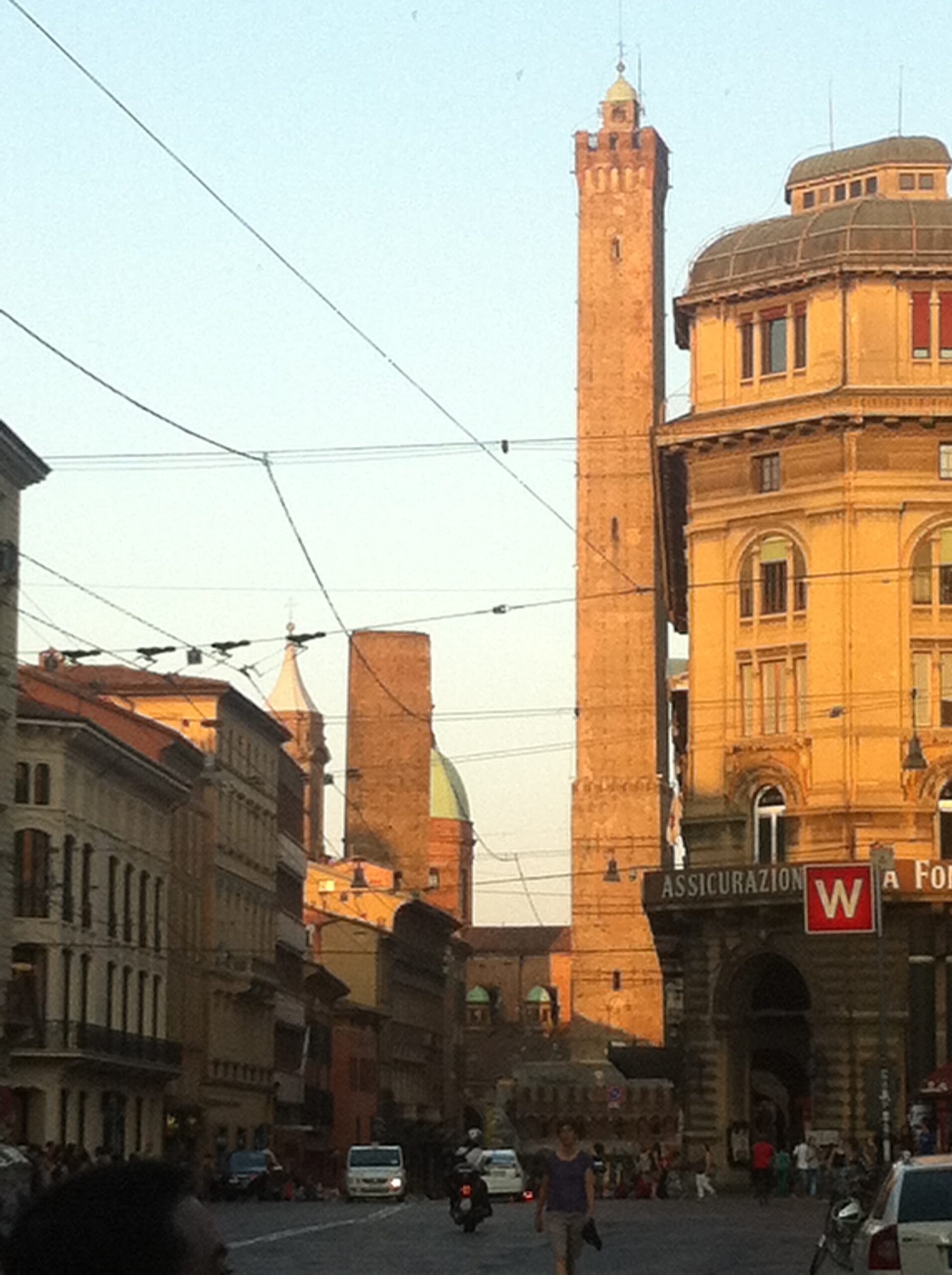
For most visitors, walking will cover 70–80% of daily movement. The historic centre is dense: Piazza Maggiore, the Two Towers, Quadrilatero food market, Santo Stefano and Via Indipendenza are all within a 15–25 minute walking radius.
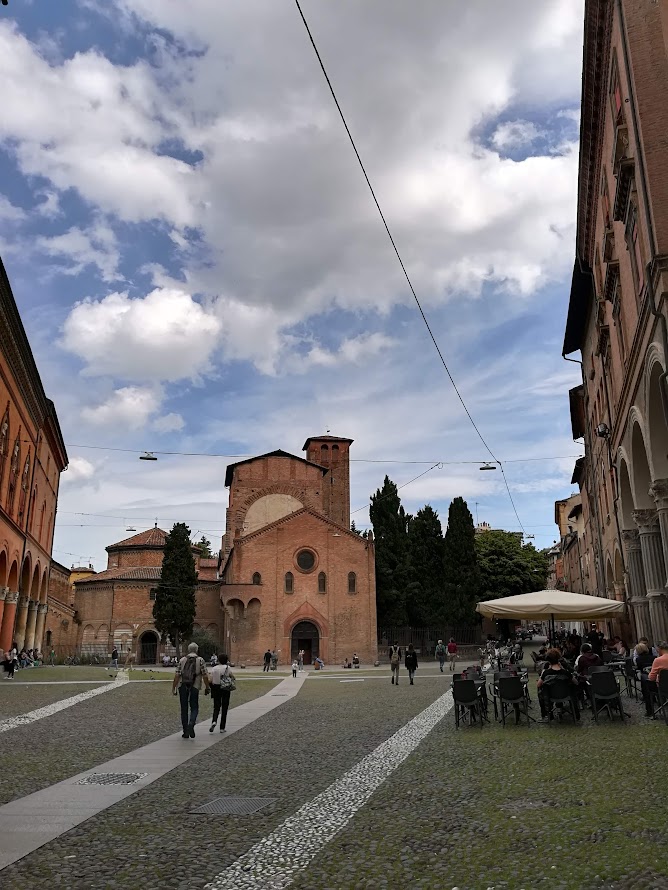
The porticoes offer shade in summer and shelter during rain, which is one of the reasons Bologna remains comfortable even in bad weather. On weekends and public holidays, several central streets (T-Days pedestrian scheme) are closed to private traffic, making the centre even more walkable.
If your accommodation is inside the city walls, you rarely need daily transport unless you are heading to the station, stadium, hills or trade fair areas.
Public Buses in Bologna (TPER)
Buses are the backbone of Bologna’s public transport and are operated by TPER. Coverage is extensive and reliable, although buses can be crowded during commuting hours (07:30–09:30 and 17:00–19:00).
Frequencies and Operating Hours
- Main routes: every 10–15 minutes during daytime.
- Secondary routes: every 20–30 minutes.
- Service hours: approximately 06:00–23:00 (varies by line).
- Night buses (N lines): operate on weekends, holidays and pre-holidays.
Useful Routes for Visitors
- Circular routes around the old city walls, useful for reaching outer gates and peripheral districts.
- East–west routes toward San Luca and the western hills.
- Cross-city routes serving the stadium (Dall’Ara), Certosa cemetery and exhibition zones.
Tourist sightseeing buses (City Red Bus / San Luca Express) run fixed loops but cost significantly more than standard public transport.
Tickets and Prices (Indicative)
Paper tickets are gradually being replaced by QR-based digital tickets.
- Single ride ticket: €2.30–€2.50 (valid around 75 minutes with transfers).
- Day pass: around €9 (unlimited urban travel for 24 hours).
- Multi-ride carnets and monthly passes available for longer stays.
Tickets can be purchased at tobacco shops, newsagents, vending machines at stations and the airport, via mobile apps (Muver / Roger), or on board (usually slightly more expensive). Tickets must be validated when boarding. Fines for non-validation can exceed €100.
Looking for an authentic food experience?
Join our Foodie’s Delight Tour – Parmigiano Reggiano, balsamic vinegar & cured meats in one unforgettable day.
Taxis and Ride Services
Taxis are not essential for most city movement but are useful for late-night travel, travelling with luggage, airport transfers, or in bad weather.
Taxis cannot normally be hailed on the street. Use official taxi ranks (Piazza Maggiore, Bologna Centrale, airport) or book via phone or app.
- Daytime starting fare: approximately €3.50.
- Night / holiday starting fare: approximately €6.
- Airport transfer: typically €15–€20 depending on time and traffic.
Ride-hailing services operate with limited availability and should not be relied upon as primary transport.
Bike Sharing and Micro-Mobility
Bologna is largely flat and increasingly bike-friendly, with dedicated corridors and shared bike services.
- Approximate cost: €2 per 30 minutes (standard return).
- Slight surcharge if left outside designated zones.
- Traditional bike rentals: €10–€20 per day.
Bike sharing is useful for crossing longer distances quickly and avoiding peak-hour bus congestion. Bikes should always be locked carefully, especially near university areas.
Car Rental: When It Makes Sense
Inside Bologna, a car is often a liability due to ZTL restrictions, limited parking and traffic congestion. However, renting a car makes sense for countryside visits, flexible regional itineraries and rural destinations.
- Economy cars: typically €20–€40 per day (lower in off-season).
- Automatic transmission: limited availability and higher prices.
- Pick-up locations: airport, Bologna Centrale station and city offices.
If you intend to drive, it is essential to understand restricted zones and parking rules. A detailed explanation is available here: How to drive in Bologna without getting a penalty.
Local Trains for Regional Travel
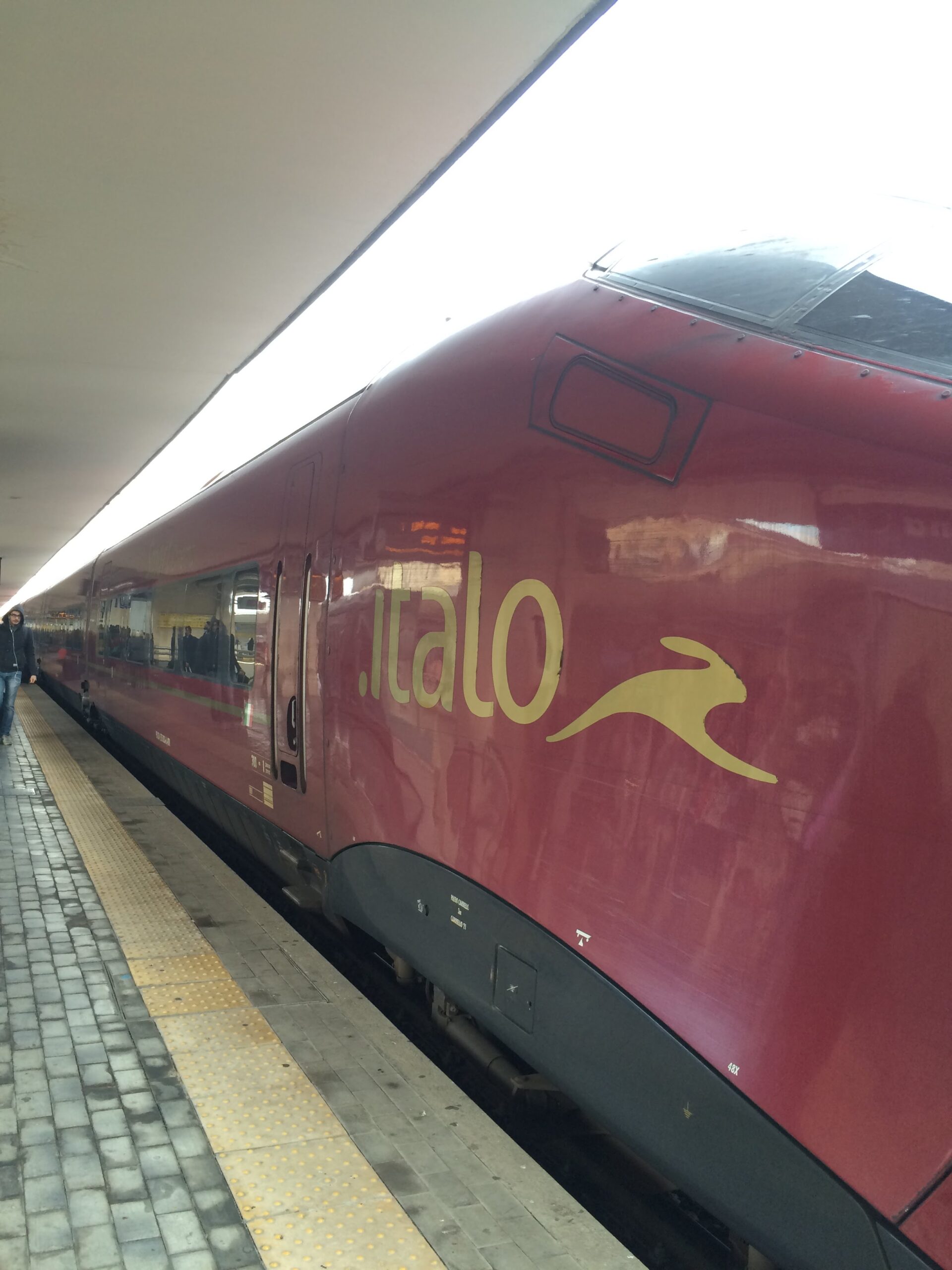
Bologna Centrale is one of Italy’s main rail hubs. Regional trains allow easy day trips to Modena (~25 minutes), Parma (~55 minutes), Florence (~35 minutes high-speed) and Ferrara (~30 minutes).
Tickets can be purchased via Trenitalia app, online, or station machines.
Practical Mobility Rules and Tips
- Walking and buses cover most visitor needs.
- Avoid driving inside the historic centre.
- Buy transport tickets in advance where possible.
- Validate tickets immediately when boarding buses.
- Expect heavier congestion during trade fairs and university periods.
- On weekends, several central streets are pedestrian-only.
- Parking inside the walls is expensive and limited.
For airport and regional transfers, you may also find useful:
- How to get from Bologna Airport to Bologna Centrale
- How to get to Maranello from Bologna and visit the Ferrari Museum
Discover more from Emilia Delizia
Subscribe to get the latest posts sent to your email.