A Practical Guide for First-Time Visitors in Bologna, Emilia-Romagna, Italy
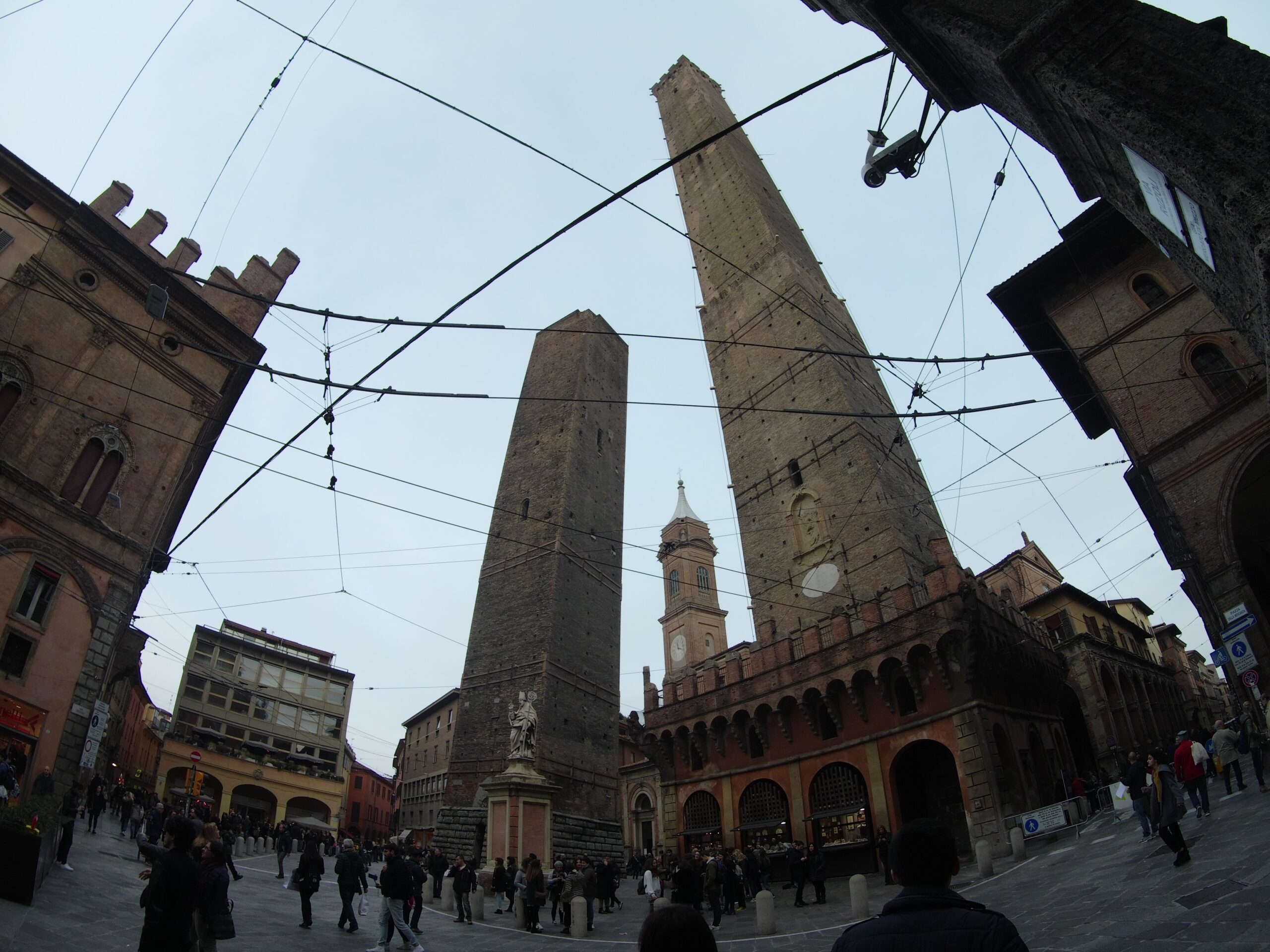
Planning a trip to Bologna is one of those rare pleasures where logistics and curiosity go hand in hand. Bologna is not only the culinary heart of Italy, but also a lively university city, a transport hub for northern Italy, and the perfect base for exploring Modena, Parma, Ravenna, and the wider Emilia-Romagna region.
Yet many travellers underestimate how much small decisions — where to stay, how to move around, when to visit, and how to organise food experiences — can shape the quality of the trip. This guide brings together everything you need to plan your Bologna itinerary intelligently, with practical advice from local specialists who have been operating food tours in the region for over a decade.
If this is your first time visiting, you may also want to explore our broader Bologna Travel Guide (link to be added), which covers neighbourhoods, attractions, and local culture in more depth.
Getting to Bologna
Bologna is one of the easiest Italian cities to reach thanks to its excellent transport connections. Bologna Guglielmo Marconi Airport serves direct flights from many European cities and connects efficiently to the city centre by monorail, taxi, or shuttle bus. The airport is located just a few kilometres from the historic centre, making arrival fast and uncomplicated.
If you are arriving by plane, the most common route into the city is via Bologna Centrale railway station. We explain the shuttle bus, travel times, and alternatives in detail in our guide: How to get from Bologna Airport to Bologna Centrale.
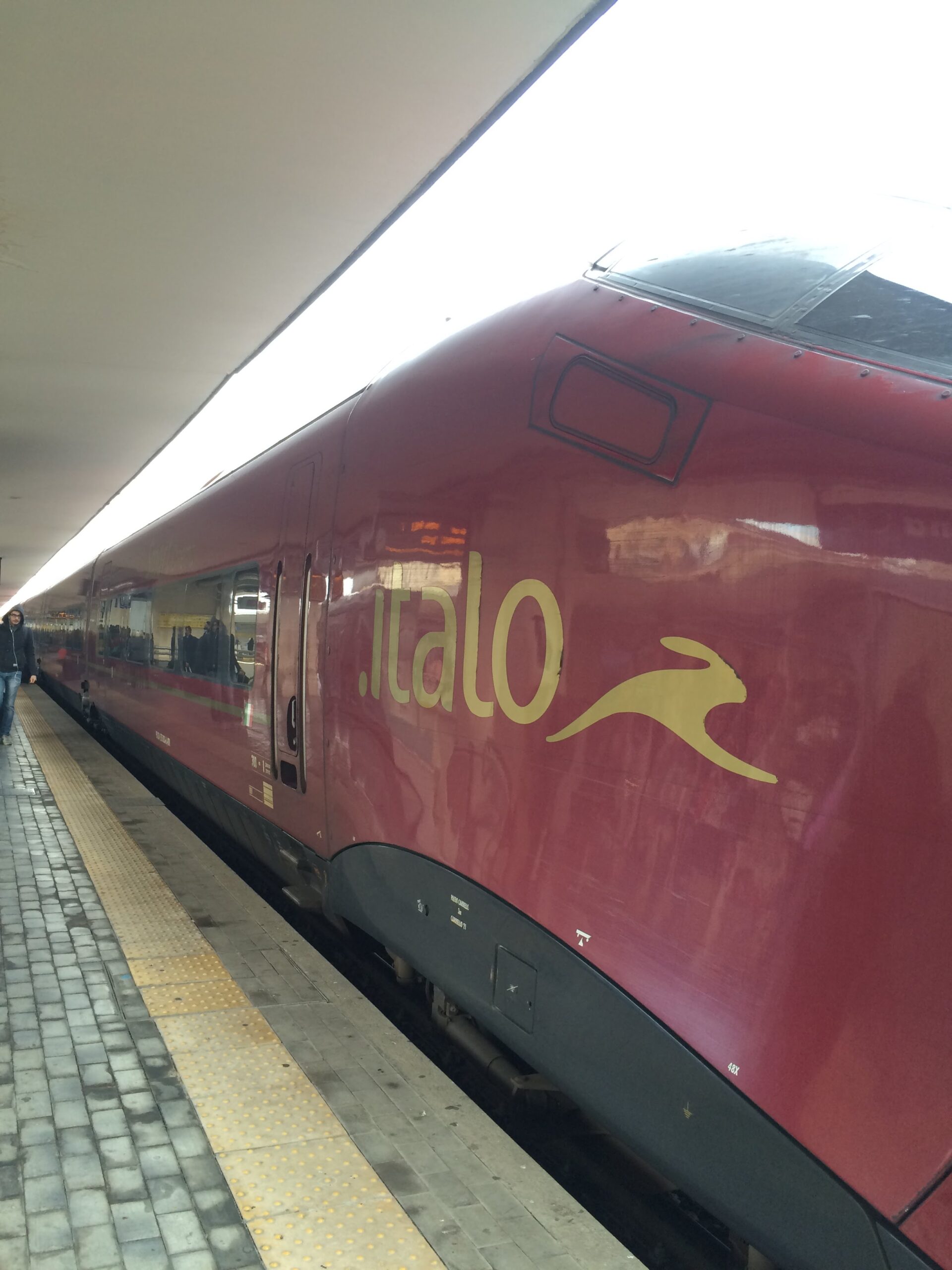
If you are travelling within Italy, Bologna Centrale is one of the country’s main high-speed rail hubs. Frecciarossa and Italo trains connect Bologna with Florence in around 35 minutes, Milan in about one hour, Venice in roughly 90 minutes, and Rome in under three hours. This makes Bologna an ideal base for multi-city itineraries without constant hotel changes.
For travellers planning a visit to Maranello and the Ferrari Museum, Bologna also offers straightforward rail and road connections. A practical step-by-step guide is available here: How to get to Maranello from Bologna and visit the Ferrari Museum.
Additional arrival guides (private transfers, regional airports, late-night options) will be added over time.
Getting Around the City
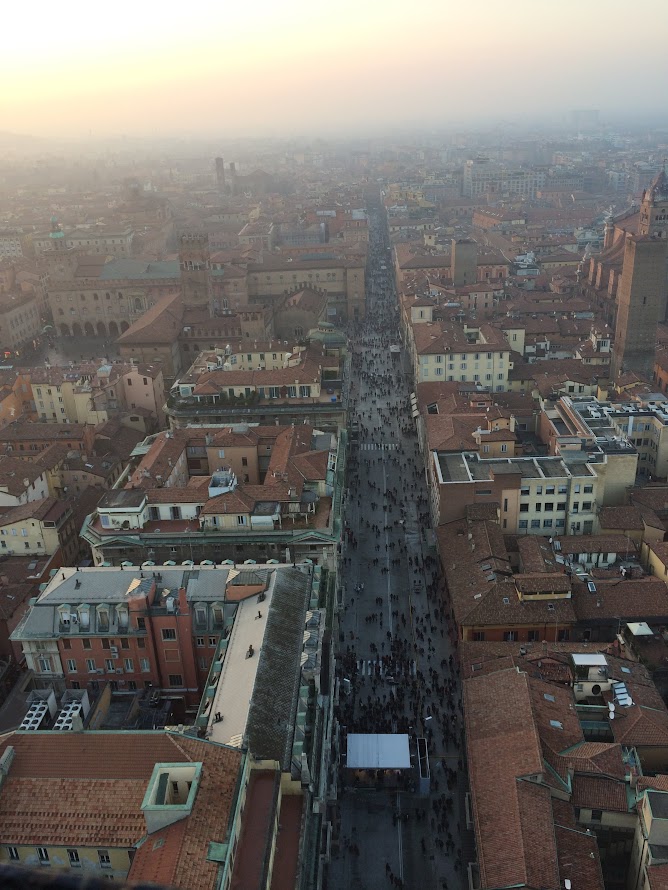
Bologna’s historic centre is compact and highly walkable. Most major landmarks, food markets, museums, and restaurants are easily reached on foot, protected by the city’s famous porticoes — particularly welcome during summer heat or rainy days.
Public buses cover the wider urban area efficiently and are useful for reaching residential neighbourhoods, trade fair areas, or hill districts. Taxis are available but less abundant than in larger cities, so booking ahead is often advisable during busy periods.
A more detailed transport guide will be published soon, covering ticketing, passes, taxi usage, and common visitor mistakes.
Where to Stay in Bologna
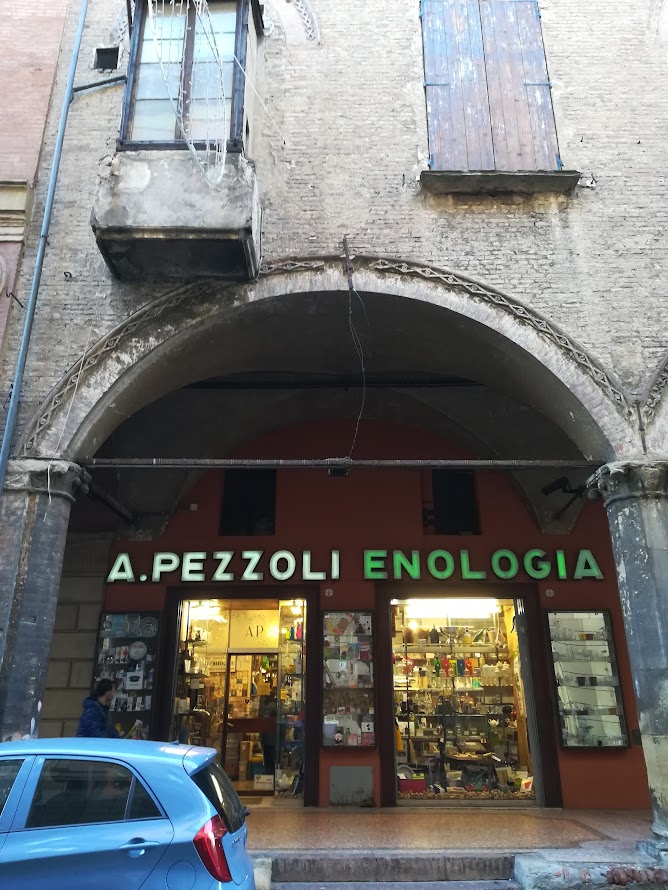
Accommodation choice can significantly influence your experience. Staying inside the historic centre provides immediate access to restaurants, attractions, and nightlife, but can be noisier and more expensive. Areas near Bologna Centrale are convenient for early departures and train connections, while residential neighbourhoods slightly outside the core often offer better value and quieter nights.
Travellers planning early food tours or countryside excursions often benefit from accommodation with easy vehicle access and minimal ZTL complications.
You can find a curated selection of recommended properties in our article: My Best Hotels in Bologna.
A broader neighbourhood guide will be added in the coming months.
Looking for an authentic food experience?
Join our Foodie’s Delight Tour – Parmigiano Reggiano, balsamic vinegar & cured meats in one unforgettable day.
Best Time to Visit Bologna
Spring and autumn generally offer the best balance of comfortable weather and lively city atmosphere. Summer can be hot and humid, especially in July and August, while winter is quieter and more atmospheric but colder and with shorter daylight hours.
Trade fairs and major exhibitions can significantly affect accommodation availability and pricing. Planning around these dates helps avoid unnecessary cost spikes and crowd pressure.
A detailed month-by-month seasonal guide will be added soon.
Driving, Parking and ZTL Rules in Bologna
Driving inside Bologna’s historic centre is restricted by ZTL (Limited Traffic Zone) regulations enforced by automatic cameras. Many visitors unintentionally incur fines by entering restricted streets without authorisation.
If you are arriving by car, renting a vehicle, or planning countryside excursions, understanding parking options and ZTL rules is essential. We cover real examples, safe parking strategies, and common traps in our guide: How to drive in Bologna without getting a penalty.
Things to Do and Experiences
Food sits at the centre of Bologna’s identity. From fresh pasta workshops and market tastings to Parmigiano Reggiano dairies and traditional balsamic vinegar producers, the surrounding region offers extraordinary culinary depth.
If you want a broad overview of attractions, museums, food experiences, and cultural highlights, start with: Things to do in Bologna.
Beyond the city, Bologna is an excellent base for day trips to Modena, Parma, Ravenna, and the Apennine hills. Many travellers combine food experiences with automotive heritage visits such as Ferrari in Maranello.
A dedicated day trips guide will be added shortly.
Practical Travel Advice
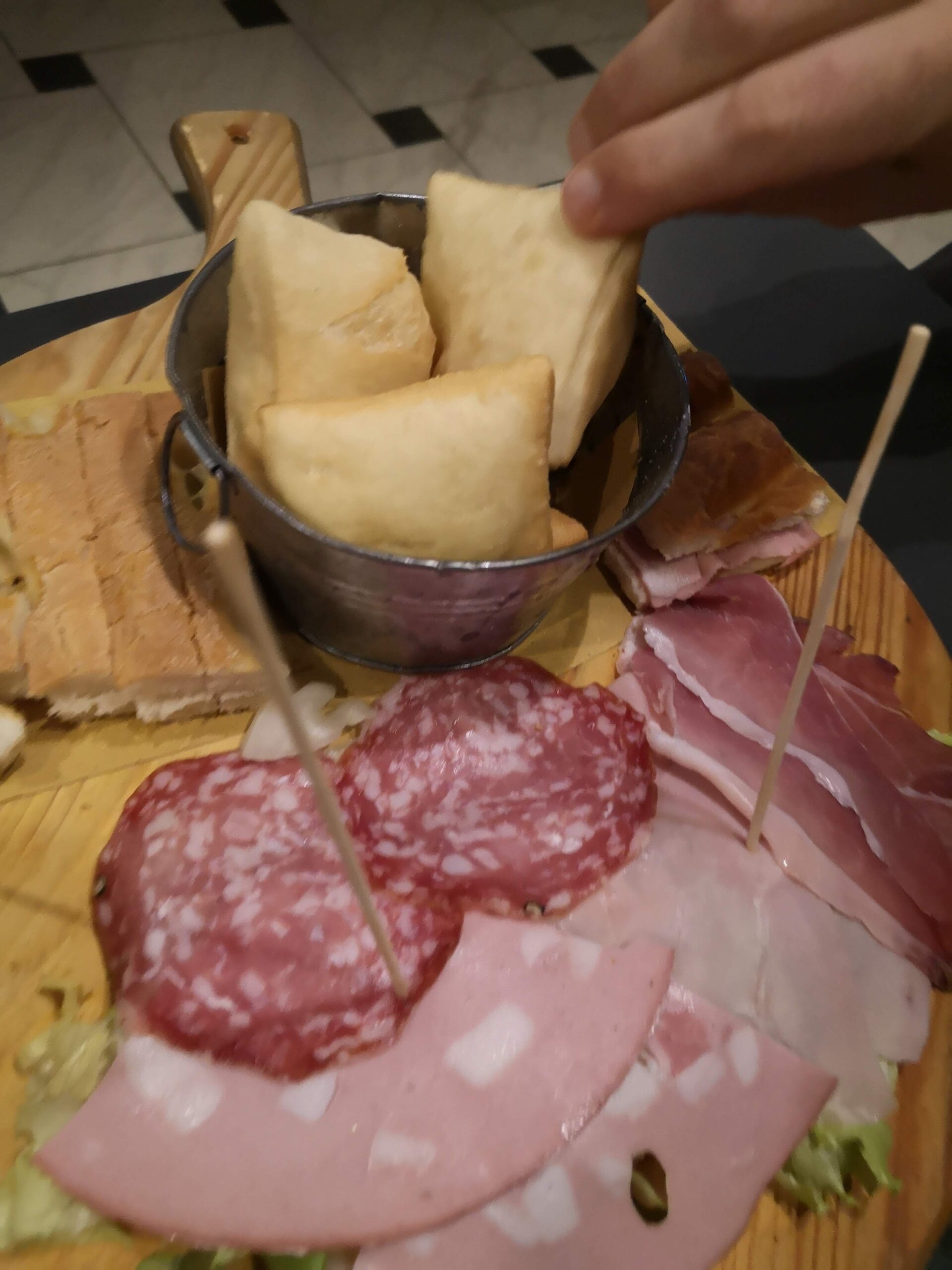
Restaurants often require reservations, especially for dinner and weekends. Markets are busiest in the morning. While cards are widely accepted, small shops and cafés may still prefer cash. On Sundays, many retail shops reduce opening hours. For a quick recommendation have a look at Anna Maria which is our favourite restaurant in town. Or if you are on a budget check our list of cheap eats in Bologna.
General Italy travel guidance for first-time visitors will be expanded in a future article.
Planning Your Bologna Experience
Independent travel works very well in Bologna, but travellers seeking deeper access to producers, countryside logistics, and regional context often benefit from local expertise.
If you would like to explore curated food experiences or discuss a private itinerary, you can browse our Bologna food tours (link to be added) or contact our local team (link to be added) for tailored advice.
Discover more from Emilia Delizia
Subscribe to get the latest posts sent to your email.