Welcome to Parma, an elegant and deeply rooted culinary capital in the heart of Emilia-Romagna, northern Italy. Often referred to as Italy’s “Food Valley,” Parma combines refined architecture, a strong musical heritage, and one of Europe’s most respected food cultures. Unlike destinations built primarily for tourism, Parma remains a living working city where craftsmanship, agriculture, and tradition shape everyday life.
This article explores Parma not only as a gastronomic destination, but as a city where history, urban identity, and food production intertwine to create a uniquely authentic Italian experience.
Parma – A Rich Tapestry of History and Culture
Parma’s historical layers are immediately visible in its architecture and urban layout. Roman foundations, medieval religious power, Renaissance patronage, and Bourbon rule all left tangible marks across the city. Walking through the historic center reveals a compact yet elegant city, characterized by warm stone façades, arcaded streets, and carefully preserved monuments.
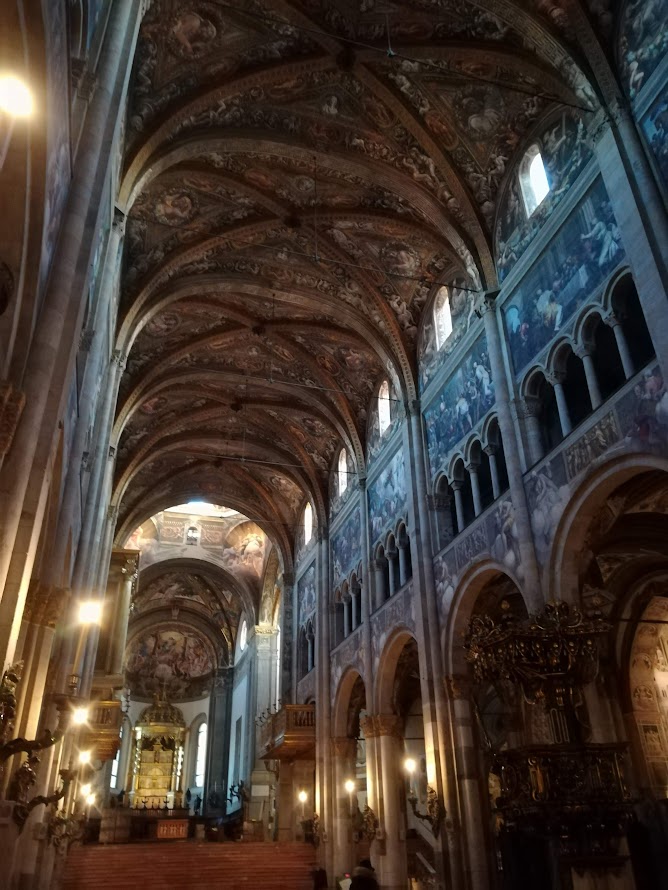
One of the city’s most important landmarks is the 12th-century Duomo (Cathedral), celebrated for its Romanesque structure and luminous frescoes by Antonio da Correggio. Adjacent to the cathedral stands the Baptistery, a masterpiece of transitional Romanesque-Gothic architecture clad in pink Verona marble and decorated with some of the most significant medieval sculptural cycles in northern Italy.
Parma’s cultural identity is also inseparable from music and opera. Parma’s operatic heritage resonates through ‘Teatro Regio,’ the elegant neoclassical opera house founded in the early 19th century. The theatre continues to host major productions and the internationally acclaimed Verdi Festival, reflecting the city’s deep emotional connection to Giuseppe Verdi and Italian opera.
Beyond monuments, Parma offers generous green spaces and refined urban calm. The gardens of the Palazzo Ducale provide a peaceful counterbalance to the historic center and recall the city’s period as a ducal capital under the Farnese family.
La Forchetta – Parma’s Gourmet Elegance
Parma’s global reputation rests firmly on its food culture. Here, gastronomy is not a trend but a generational discipline rooted in climate, geography, and centuries of accumulated knowledge. The symbolic image of la forchetta — the fork — reflects a city where eating is a serious, joyful craft rather than a hurried activity.
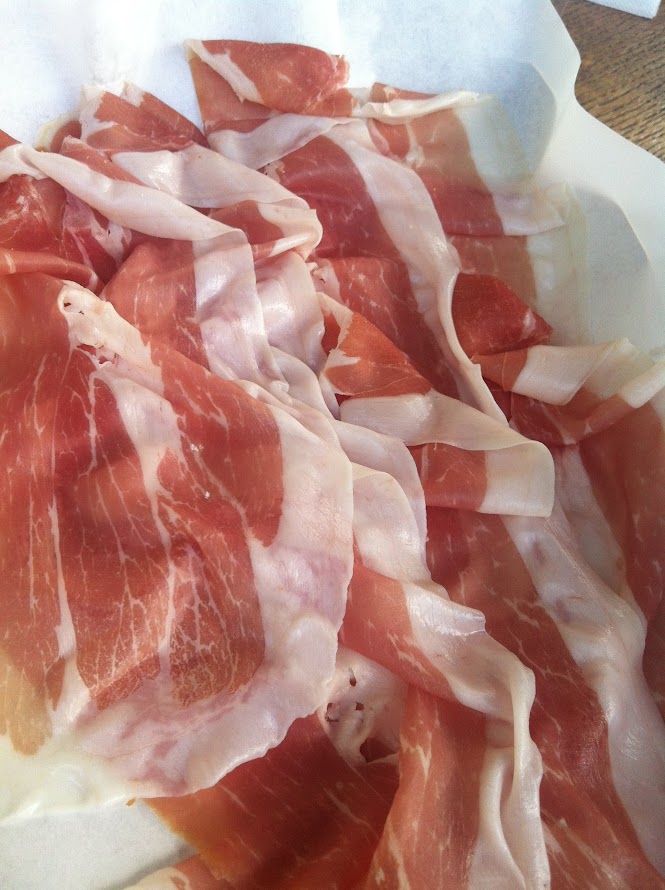
Prosciutto di Parma remains the most iconic product of the territory. Naturally cured for a minimum of 12 months using only salt, air, and time, the ham develops a delicate sweetness and silky texture that cannot be replicated elsewhere. Visiting a production facility reveals a slow rhythm of aging, careful inspection, and deep respect for tradition rather than industrial scale efficiency.
Looking for an authentic food experience?
Join our Foodie's Delight Tour – Parmigiano Reggiano, balsamic vinegar & cured meats in one unforgettable day.
Equally emblematic is Parmigiano Reggiano. Parma’s Parmigiano Reggiano matures patiently for 24 months or more, developing crystalline texture and complex savory depth. The cheese reflects the region’s agricultural ecosystem: high-quality milk, controlled production standards, and long maturation cycles that reward patience over speed.
Traditional cuisine extends far beyond these famous exports. Local dishes such as tortelli d’erbetta, anolini in brodo, and stuffed pastas reflect a refined balance between dairy richness, herbs, and seasonal vegetables. In trattorias like Trattoria Corrieri, recipes are preserved with minimal reinterpretation, maintaining the flavors that local families recognize as home cooking.
Parma’s dining scene also embraces modern refinement. Wine bars and osterie curate extensive selections of Lambrusco, Malvasia, and regional reds, often sourced directly from small producers. Restaurants such as Enoteca Fontana and the Michelin-starred Ai Due Platani demonstrate how classical flavors can evolve into contemporary culinary expression without losing authenticity.
The Landscape Behind the Table
Parma’s gastronomy cannot be separated from its surrounding countryside. Rolling plains, river valleys, and gentle Apennine foothills form a productive agricultural basin that supports dairies, curing houses, vineyards, and grain production. This proximity between city and farmland explains why food remains so deeply integrated into daily life rather than relegated to tourism alone.
Exploring the rural routes surrounding Parma reveals aging cellars, family-run farms, and vineyards producing expressive regional wines. Lambrusco and Malvasia frizzante offer freshness and accessibility, pairing naturally with cured meats and rich cheeses. Salame di Felino, another protected specialty, adds aromatic complexity to local charcuterie boards and reinforces the diversity of Parma’s cured meat tradition.
Journey’s End – A Living Expression of Italian Culture
Parma represents more than a culinary destination. It is a living synthesis of craftsmanship, history, music, agriculture, and urban elegance. The city offers depth rather than spectacle — rewarding travelers who engage slowly, taste attentively, and explore beyond surface attractions.
A visit to Parma becomes an encounter with Italy’s enduring relationship between place and identity. From Romanesque churches to opera houses, from dairy farms to refined dining rooms, Parma expresses a balanced model of cultural continuity rarely found in modern tourism-driven cities. In the quiet confidence of its traditions, Parma embodies the true meaning of Italian excellence — not as luxury, but as consistency, patience, and respect for craft.
Discover more from Emilia Delizia
Subscribe to get the latest posts sent to your email.