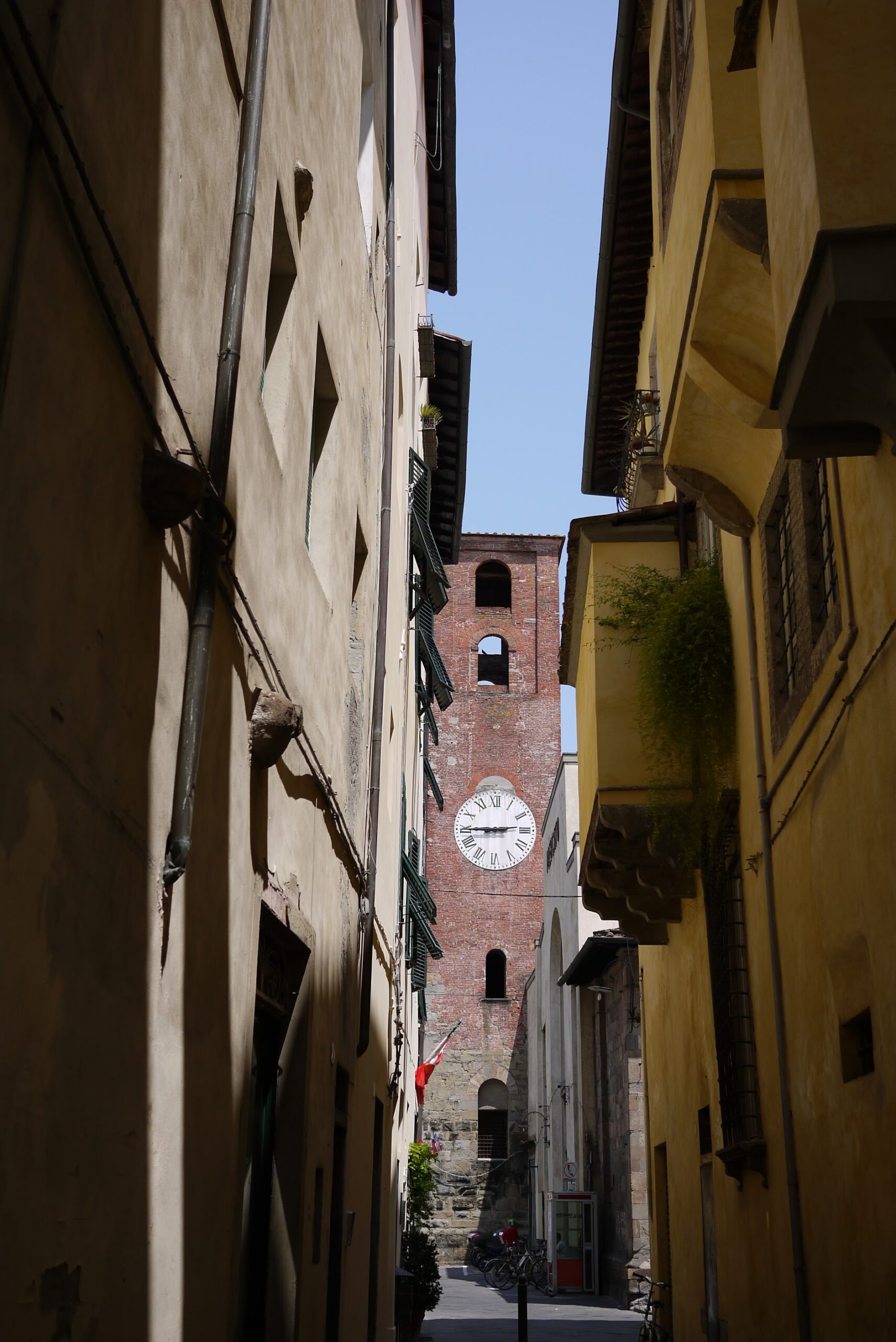
When The Times releases its annual list of must-see destinations, travellers tend to take note. In 2025, the spotlight falls on Lucca, a small Tuscan city that embodies the elegance, history and easy rhythm of Italian life. Away from the crowds of Florence and Rome, Lucca stands out for its well-preserved architecture, vibrant cultural scene, and exceptional food.
A City Wrapped in Renaissance Walls
Lucca is encircled by its famous Renaissance walls, a four-kilometre ring that once protected the city and now functions as a peaceful pedestrian and cycling path. From this tree-lined promenade, visitors can admire the red roofs, medieval towers, and surrounding hills of Tuscany. The historic center, enclosed and compact, offers a sense of calm that is rare in Italy’s more heavily touristed destinations.
A Living Open-Air Museum
Inside the walls, Lucca reveals itself slowly. The Piazza dell’Anfiteatro, once a Roman arena, is now an elliptical square filled with cafes and small shops. Torre Guinigi, topped with oak trees, provides panoramic views of the city’s rooftops. The Cattedrale di San Martino and the Chiesa di San Michele in Foro are masterful examples of Romanesque architecture. Every corner, from narrow cobblestone lanes to sunlit piazzas, reflects centuries of trade, culture, and artistry.
A Taste of Authentic Tuscany
Lucca’s culinary scene is one of its most persuasive charms. Here, food is not a performance but a way of life. Traditional trattorias serve dishes that reflect the land: earthy, generous and deeply tied to the seasons. This is not a city for fast dining or modern trends. It’s a place where you sit, taste, and linger.
Best Places to Eat in Lucca
For an elegant, old-world atmosphere, Buca di Sant’Antonio has long been a local institution, offering Lucchese classics in a warm, wood-paneled setting. Da Giulio in Pelleria is beloved for its simplicity and authenticity, serving hearty pasta dishes in a no-frills space. Giglio combines Tuscan ingredients with a refined touch, while Gatta Ci Cova offers a contemporary take on regional flavors. Celide, located near the city walls, is known for its fish and seafood, and L’Imbuto provides an entirely different experience: creative, modern, and Michelin-starred.
Best Local Foods to Try
Lucca’s traditional dishes are simple, robust and rooted in the countryside. Tordelli Lucchese, a handmade pasta stuffed with meat and herbs, is typically served with a rich ragù. Zuppa di Farro, a spelt soup with beans and vegetables, speaks of rustic home cooking. Buccellato, a sweet bread with anise and raisins, is a local specialty often eaten with coffee or Vin Santo. Baccalà alla Lucchese reflects the city’s mercantile past, with salt cod slow-cooked with tomatoes, olives and capers. Soppressata Lucchese is a traditional cold cut made from pork, usually enjoyed with unsalted Tuscan bread and a glass of red wine. In autumn, castagnaccio, a chestnut flour cake with pine nuts and raisins, is a local dessert.
The Best Day Trips from Lucca
Lucca is ideally located for exploring Tuscany and beyond. Pisa is just a short train ride away, with its world-famous leaning tower and monumental square. Florence, reachable in about an hour, offers Renaissance art and architecture on an unmatched scale. To the north, the Garfagnana (and Lunigiana) valley provides forests, mountain trails and quiet hill villages. Montecarlo, a small wine-producing town on a nearby hill, is perfect for tastings and long lunches. Viareggio, on the coast, offers Liberty-style architecture and beaches, while the Cinque Terre can be reached in under two hours by train for a dramatic coastal excursion.
A City Alive with Culture
Lucca is more than a postcard-perfect destination; it has a living cultural identity. It hosts major annual events such as Lucca Comics & Games, one of Europe’s most important pop culture festivals, and Lucca Summer Festival, which attracts international artists each year. The city is also the birthplace of Giacomo Puccini, and music still fills its churches and squares.
Accessible, Relaxed, and Central
Lucca’s location makes it both accessible and pleasantly detached. Just 30 minutes from Pisa and one hour from Florence, it is well connected by train but feels removed from the pace of Italy’s larger cities. This is a place made for slow travel: cycling along the walls in the morning, sipping espresso in the shade at midday, wandering quiet streets at night.
Final Thoughts
Lucca may lack the global fame of Florence or the grandiosity of Rome, but that is precisely its appeal. With its Renaissance walls, elegant architecture, living cultural traditions and exceptional food, it represents the best of Tuscany in a more intimate setting. When the New York Times names it the best destination in Italy, it’s more than a headline. It’s a recognition of a place that has quietly perfected the art of dolce vita.
Frequently Asked Questions
Why did The Times name Lucca the best destination in Italy?
The Times highlighted Lucca for its exceptional combination of well-preserved Renaissance architecture, an intact medieval city centre, a vibrant food scene, and a relaxed pace of life. Unlike Florence or Rome, Lucca has not been overwhelmed by mass tourism, which makes it one of the few places in Tuscany where you can still experience genuine local culture. Its famous tree-lined walls, independent restaurants, and year-round cultural events all contributed to the recognition.
Is Lucca worth visiting?
Yes — Lucca is consistently rated one of the most rewarding cities in Tuscany. It offers a compact, walkable historic centre, exceptional local food, beautiful Romanesque churches, and a slower pace that many travellers find refreshing after the intensity of Florence or Venice. It is suitable for all ages and travel styles, from cyclists on the walls to art lovers and food enthusiasts. Even a single day gives a strong impression, though two days allows a more leisurely experience.
How do you get to Lucca from Florence?
The easiest way is by direct train from Florence Santa Maria Novella to Lucca, a journey of around 1 hour 20 minutes with frequent daily departures. Trains run roughly every hour and tickets are inexpensive. By car, the journey takes about 1 hour via the A11 motorway. There is also a bus service, though the train is faster and more convenient for most travellers.
How many days do you need in Lucca?
Two days is ideal for a first visit — enough time to walk or cycle the walls, explore the main churches and piazzas, eat well at least twice, and take a half-day trip to Pisa or the nearby countryside. One day is feasible as a day trip from Florence or Pisa and gives a good introduction. Three or more days suit those who want to use Lucca as a base for exploring the Garfagnana valley, the Versilia coast, or Montecarlo wine country.
Is Lucca better than Florence for tourists?
That depends entirely on what you are looking for. Florence offers world-class museums — the Uffizi, the Accademia, the Duomo — and is one of the most important art cities in the world. Lucca offers something different: a more intimate, less crowded, and more authentically Italian experience. Many travellers combine both — Florence for art and grandeur, Lucca for atmosphere, food, and calm. If you are visiting Tuscany for the first time, both are worth your time.
What is Lucca best known for?
Lucca is best known for its intact Renaissance city walls, which now serve as a tree-lined public park and cycling path. It is also famous as the birthplace of composer Giacomo Puccini, for its Romanesque churches (particularly the striped Cathedral of San Martino and San Michele in Foro), for the elliptical Piazza dell’Anfiteatro built on a Roman amphitheatre, and for its traditional cuisine — especially tordelli Lucchese pasta and buccellato sweet bread. It also hosts Lucca Comics & Games, one of Europe’s largest pop culture festivals.
What is the best time to visit Lucca?
Spring (April to June) and early autumn (September to October) offer the best conditions — mild temperatures, manageable crowds, and the city at its most photogenic. July and August are hot and busier, though Lucca remains quieter than Florence or Cinque Terre. October brings the Lucca Comics & Games festival, which draws very large crowds to the city centre. Winter is quiet, uncrowded, and good for exploring the food scene, though some attractions have reduced hours.
Can you do Lucca as a day trip from Florence or Pisa?
Yes — Lucca works well as a day trip from both cities. From Florence, the direct train takes about 1 hour 20 minutes, giving you a full day to walk the walls, visit a church or two, have lunch, and explore the centre before returning in the evening. From Pisa, the journey is just 30 minutes. Many travellers combine Pisa and Lucca in a single day, visiting the Leaning Tower in the morning and spending the afternoon in Lucca.
Explore Lucca in Depth
- Lucca City Walls: The Complete Guide to Walking and Cycling the Mura
- What to Eat in Lucca: Local Food, Traditional Dishes and Where to Find Them
- Things to Do in Lucca: The Best Experiences Beyond the Obvious
- Day Trips from Lucca: The Best Excursions in Tuscany and Beyond
- Wine Tasting in the Hills Around Lucca
- Pisa vs. Lucca: The Traveler’s Dilemma
- Lucca Guided Tour with Food Experience
Planning a Trip to Lucca?
Our local experts can help you make the most of Tuscany — food experiences, guided tours, and insider recommendations tailored entirely to you.
Get in Touch →Discover more from Emilia Delizia
Subscribe to get the latest posts sent to your email.