Tuscany is one of Italy’s most iconic regions, known for its picturesque landscapes, rich history, and culinary delights. When planning a trip to Tuscany, many travelers find themselves torn between staying in Pisa or Lucca—two charming cities that, while geographically close, offer distinctly different experiences. This article delves into the nuances of each city, covering their unique attributes in food, accommodation, and travel connections to help you make an informed decision.
If you’re finding it hard to choose and don’t want to overplan your trip, we help travelers fit small, local food experiences naturally into their itinerary. If you’d like a bit of guidance, feel free to get in touch with us here or check our winery tour from Lucca page.
If food is a big part of your travels, some visitors also choose to continue their journey with a dedicated day in Emilia-Romagna, where products like Parmigiano Reggiano, balsamic vinegar, and Prosciutto di Parma are made. You can read more about the experience here.
1. The Culinary Scene: Sea vs. Land
Pisa is a city with deep maritime roots, and this is reflected in its cuisine. The city’s proximity to the coast means that seafood is a staple. Dishes like Spaghetti con le arselle (spaghetti with clams) and stuffed mussels in Pisan style are must-tries for seafood lovers. Pisa also boasts unique local snacks like Cecina, a savory pancake made from chickpea flour, and the Pizza Pisana, which features a distinctive topping of anchovies, capers, and parmesan cheese. For those with a sweet tooth, the Torta coi bischeri—a rich cake made with chocolate, rice, raisins, and pine nuts—offers a delightful taste of Pisan tradition
In contrast, Lucca offers a more rustic, land-based culinary experience. The city is famous for its charcuterie, particularly Biroldo, a type of blood sausage made from various parts of the pig, and Bazzone ham, known for its long curing process and rich flavor. Polenta, often served with stewed rabbit, is a staple in Lucca, reflecting the region’s peasant traditions. Lucca’s desserts are equally hearty, with Buccellato, a sweet bread with aniseed and raisins, being a local favorite. Another unique treat is Castagnaccio, a chestnut flour cake that perfectly embodies the rustic charm of Lucchese cuisine
2. Accommodation: Where to Lay Your Head
When it comes to accommodation, both Pisa and Lucca offer a variety of options, but they cater to different types of travelers.
Pisa provides a range of hotels that cater to both budget and luxury travelers. For those looking to stay close to the iconic Leaning Tower, options like Grand Hotel Duomo offer proximity to the main attractions, along with the convenience of a rooftop terrace with stunning views. Budget-conscious travelers might prefer the Hotel Bologna, a well-regarded mid-range option located just south of the Arno River
Lucca, on the other hand, is known for its boutique hotels and charming bed and breakfasts, often located within its historic city walls. The Palazzo Dipinto is a standout choice for those seeking luxury, offering modern amenities in a beautifully restored 13th-century building. For a more intimate experience, Alla Corte degli Angeli provides a serene atmosphere in the heart of Lucca’s historic center, with rooms featuring unique frescoed walls
3. Travel Connections: Navigating Tuscany
Both Pisa and Lucca are well-connected, making either city a convenient base for exploring Tuscany.
Pisa benefits from its proximity to Pisa International Airport, which is just a five-minute drive from the city center. The People Mover shuttle connects the airport directly to Pisa Centrale train station, making it incredibly easy for travelers to reach their accommodations or continue their journey to other parts of Tuscany. Pisa is also a major railway hub, offering frequent train services to Florence, Lucca, and other Tuscan destinations
Lucca is also well-served by trains, with direct connections to Pisa, Florence, and the coastal towns of Viareggio and La Spezia. The train station is conveniently located just outside the city’s historic walls, making it easy to explore the city and its surroundings. While Lucca does not have its own airport, the nearby Pisa International Airport is easily accessible by train, making international travel relatively straightforward
4. Atmosphere: Urban Bustle vs. Quaint Charm
The choice between Pisa and Lucca often comes down to the type of atmosphere you’re seeking.
Pisa is a bustling university town, famous for its iconic Leaning Tower and the lively energy that comes with a large student population. The city is vibrant, with plenty of cafes, bars, and restaurants, but it can also feel touristy, especially near the main attractions.
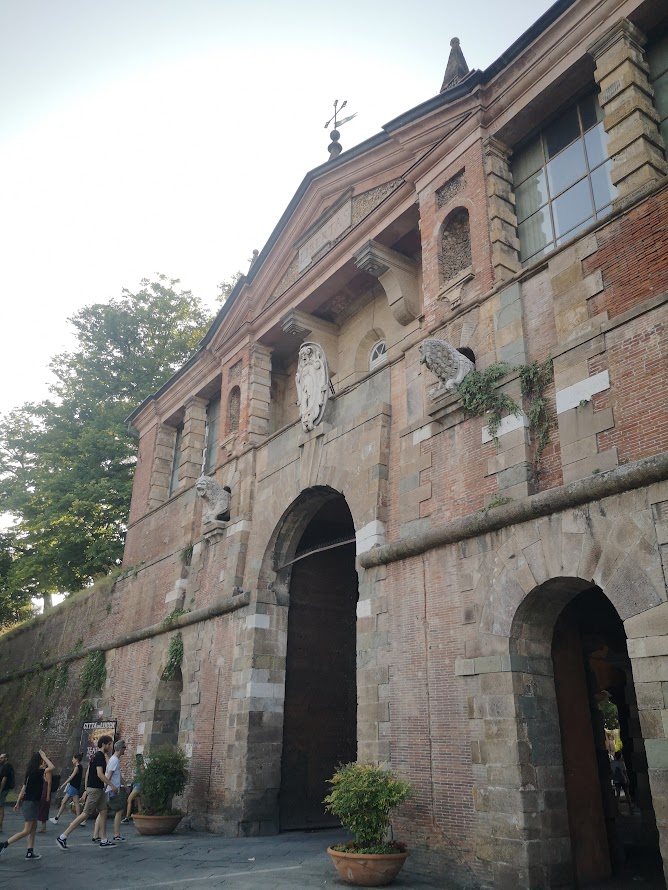
Lucca, by contrast, offers a more laid-back and intimate experience. Encircled by well-preserved Renaissance walls, the city is a maze of cobblestone streets, historic buildings, and charming piazzas. Lucca’s slower pace makes it ideal for travelers looking to immerse themselves in Tuscany’s history and culture without the hustle and bustle of larger tourist hubs.
Conclusion: Which City to Choose?
Choosing between Pisa and Lucca depends on your personal preferences and travel goals. If you’re drawn to iconic landmarks, vibrant nightlife, and easy access to an international airport, Pisa might be the better choice. However, if you prefer a quieter, more authentic Tuscan experience with rich culinary traditions and charming accommodations, Lucca could be the perfect destination.
Ultimately, both cities offer unique experiences that are quintessentially Tuscan. Whether you decide to base yourself in Pisa or Lucca—or perhaps split your time between both—you’re sure to enjoy the rich culture, history, and cuisine that make this region of Italy so special.
Whichever city wins your vote, there is a reason Lucca has been drawing international attention — discover why Lucca was named Italy’s best destination.
Frequently Asked Questions
Is Pisa or Lucca better for a first-time visitor to Tuscany?
It depends on what you want. Pisa is better if you want iconic landmarks (the Leaning Tower), easy airport access, and a lively student-city atmosphere. Lucca is better if you want a quieter, more authentic Tuscan experience — medieval walls, cobblestone streets, excellent food, and far fewer crowds. Many visitors do both in a single day, as they are only 20 minutes apart by train.
How far is Lucca from Pisa?
Lucca is approximately 22 km from Pisa. By train, the journey takes around 30 minutes with frequent direct services throughout the day. By car it takes around 25 minutes. The two cities are easy to combine in a single day trip.
Can you visit both Pisa and Lucca in one day?
Yes, comfortably. A typical itinerary: arrive in Pisa, see the Leaning Tower and Campo dei Miracoli (allow 2–3 hours), then take the train to Lucca (30 minutes) for the afternoon — walk the city walls, explore the historic centre, and have dinner. Return to Pisa or onward by train in the evening.
Which city has better food — Pisa or Lucca?
Both cities have strong culinary traditions, but they differ in style. Pisa has a maritime kitchen — seafood pasta, cecina (chickpea flatbread), and coastal influences. Lucca has a richer, more rustic land-based cuisine — biroldo (blood sausage), bazzone ham, polenta with stewed rabbit, and the famous buccellato sweet bread. Food travellers tend to find Lucca more rewarding.
Is Lucca worth visiting, or is Pisa enough?
Lucca is absolutely worth visiting — many travellers who make it their base end up preferring it to Pisa. The intact Renaissance city walls (you can walk or cycle the full circuit), the compact historic centre, the lack of mass tourism, and the quality of local restaurants make it one of Tuscany’s most underrated cities. If you only have time for one, Lucca is the more rewarding choice.
Which is better to stay in — Pisa or Lucca?
Lucca is generally the better base. Its boutique hotels and B&Bs within the city walls offer a more atmospheric and characterful stay, and the city is quieter and more liveable than Pisa. Pisa makes more sense if you have an early flight from Pisa Airport (which is only 5 minutes from the city centre) or prefer a wider range of budget accommodation options.
Discover more from Emilia Delizia
Subscribe to get the latest posts sent to your email.