Emilia Delizia explores Parma, often referred to as the “Food Valley” of Italy, which continues to attract food lovers from all over the world, especially travellers seeking authentic, small-scale producers and hands-on gastronomic experiences. In recent years, interest in traditional salumi has grown alongside food tourism, guided tastings, and visits to artisan producers, making Parma one of the most exciting culinary destinations in Europe. The region’s salumi are renowned for their exceptional quality, deeply rooted in centuries-old traditions, and crafted with an unparalleled dedication to taste and authenticity. While most people are familiar with Prosciutto di Parma, the region’s culinary offerings go far beyond this famous ham. In this extensive guide, we will explore the complete and comprehensive list of Parma’s salumi, from the well-known to the obscure, offering a deep dive into each one’s history, production process, and how best to enjoy them. If you are planning a visit, you may also want to explore our guide to things to do in Parma.
1. Prosciutto di Parma
Prosciutto di Parma is arguably the most famous of all Parma’s salumi. This dry-cured ham is made from the hind leg of the pig and aged for a minimum of 12 months, though some varieties are aged for up to 36 months. The unique flavor of Prosciutto di Parma comes from the specific breed of pigs used, their diet, and the microclimate of the Parma region. Every Prosciutto di Parma is inspected and fire-branded by the Consorzio di Tutela, guaranteeing strict production standards, traceability, and origin. The ham is delicate, with a slightly sweet flavor and a melt-in-your-mouth texture. Traditionally, it is sliced paper-thin and served with fresh melon or figs, though it can also be enjoyed on its own with a slice of torta fritta, a type of fried bread native to Parma.
If you are curious to see how Prosciutto di Parma is made in real production environments, it is also possible to visit Parma ham factories on your own, learning about curing, aging, and traditional techniques directly at the source. Not sure which producer to pick? Our Prosciutto Experience comparison — Conti vs La Perla vs Museo del Prosciutto breaks down the differences in detail. If you simply want to bring some home, read our guide on where to buy Parma ham in Parma.
2. Culatello di Zibello
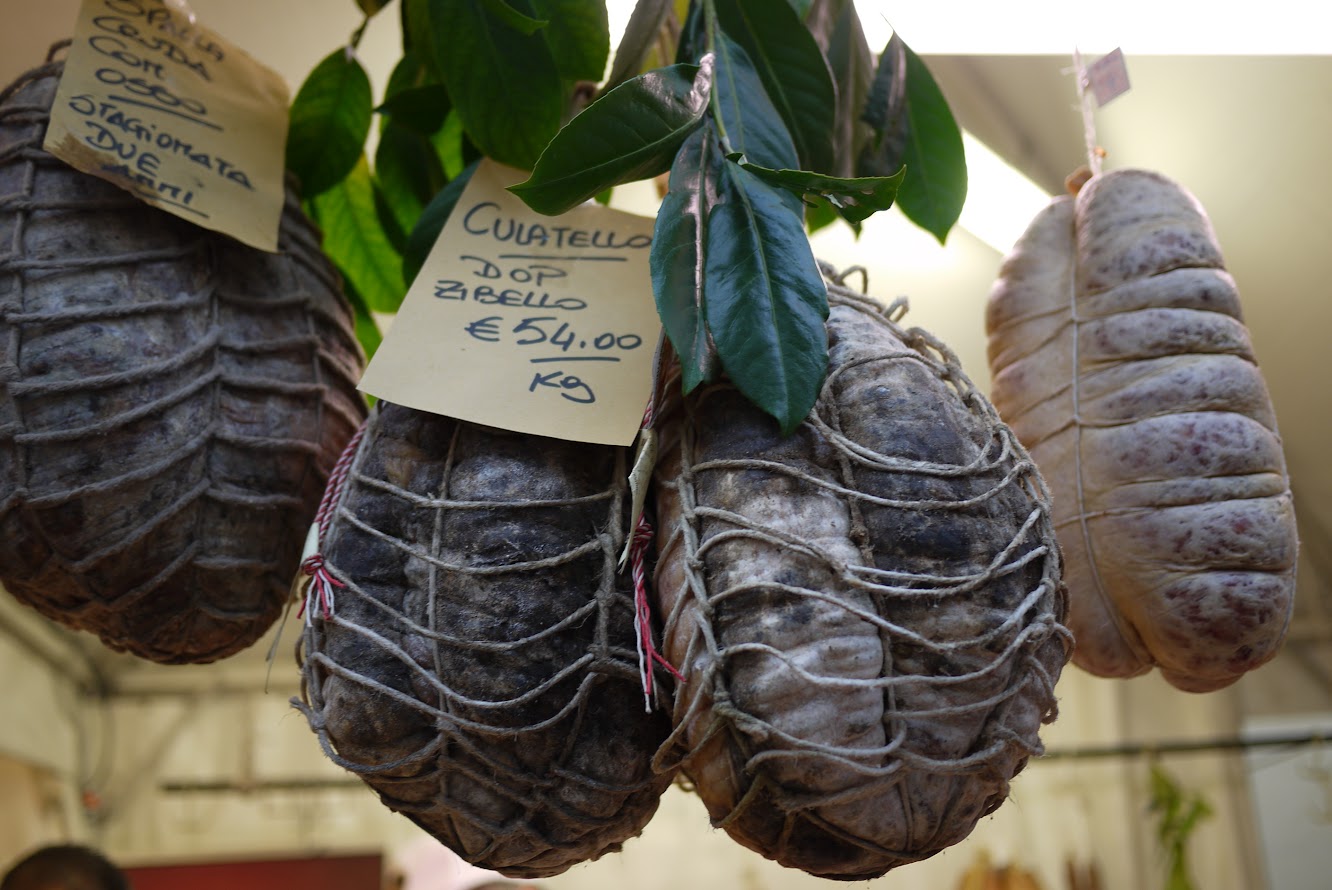
Known as the “king of salumi,” Culatello di Zibello is one of Italy’s most prized cured meats. Made from the leanest part of the pig’s hind leg, Culatello is aged in the foggy and humid cellars of the Bassa Parmense region, specifically between October and February. The result is a salumi with a deep, complex flavor, characterized by a rich umami taste and delicate marbling. Production remains extremely limited, with many small producers releasing only a few hundred pieces per year, making it increasingly sought after by chefs and collectors. Culatello is typically served thinly sliced, paired with a glass of Lambrusco or Fortana wine. The producers are scattered along the La Strada del Culatello, a scenic route through the Po Valley villages of the Bassa Parmense. If you want to visit the cellars, a dedicated Culatello tour from Parma takes you directly to the producers in Zibello.
3. Spalla Cotta di San Secondo
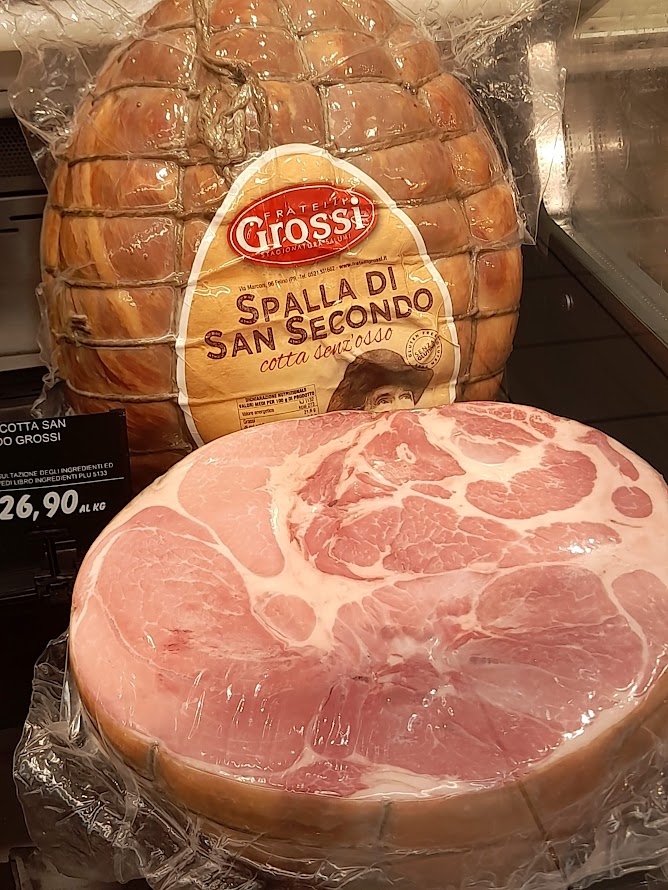
Spalla Cotta di San Secondo is one of Parma’s oldest and most traditional salumi, dating back to at least the 12th century. This cooked shoulder ham is made from the front leg of the pig, which is deboned, salted, and slowly cooked, often steamed or boiled. The cooking process gives Spalla Cotta its tender texture and robust flavor. In recent years, Spalla Cotta has been rediscovered by local trattorie and slow-food advocates, bringing this historic product back onto modern menus. It is typically served warm, sliced thickly, and accompanied by torta fritta. This salumi was a favorite of Giuseppe Verdi, the famous composer born near Parma.
4. Spalla Cruda di Palasone
Less known than its cooked counterpart, Spalla Cruda is a raw, aged shoulder ham that dates back to 1170. It is made from the front shoulder of the pig and aged for up to 12 months in the cool, damp cellars of Palasone. The aging process results in a salumi with a delicate yet persistent flavor, with a slight sweetness balanced by the savory notes of the pork. Spalla Cruda is often enjoyed as part of an antipasto platter, paired with Fortana wine.
5. Strolghino
Strolghino is a small, tender salami made from the trimmings of Culatello. Due to its small size and the lean cuts used, Strolghino has a short curing period, typically between 15 and 30 days. This results in a soft, sweet salami with a delicate flavor, making it an ideal choice for appetizers or aperitifs. Today, it is increasingly popular in modern aperitivo boards and wine bars across Emilia-Romagna. Strolghino is best enjoyed young and is traditionally served with crusty bread and a glass of sparkling wine.
6. Salame Felino
Named after the town of Felino, this salami is considered the “prince” of Italian salami. Salame Felino is made from finely ground pork seasoned with salt, pepper, and sometimes garlic, then aged in natural casings. The result is a rich, savory salami with a balanced flavor that is both robust and slightly sweet. It is typically served as part of a charcuterie board or simply with some fresh bread.
7. Culatta or Culaccia
Culatta, also known as Culaccia, is similar to Culatello but with one significant difference: it includes the rind. This addition helps retain moisture during the curing process, resulting in a salumi that is tender, moist, and richly flavored. Culatta is less common than Culatello but is highly prized for its smooth texture and intense flavor. It is often sliced thin and served with butter and bread.
See where the food actually comes from.
The Emilia Delizia food tour takes you inside working Parmigiano, balsamic, and ham producers — rated 4.9 stars on TripAdvisor.
8. Mariola
Mariola is a unique salumi that comes in two forms: cooked and raw. The cooked version is similar to a large sausage, boiled and typically served hot, while the raw version is aged for several months. The raw Mariola is particularly valued for its soft texture and rich flavor, despite its long aging process. It is made from finely minced pork, stuffed into a natural casing, and aged in humid cellars alongside other premium salumi like Culatello and Strolghino.
9. Pancetta
Pancetta is Italy’s answer to bacon, made from pork belly that is seasoned with salt, pepper, and other spices before being rolled and cured. Pancetta from Parma is known for its rich flavor and creamy texture, which comes from the high-fat content of the pork belly. It is often used in cooking to add depth of flavor to dishes like pasta carbonara or simply enjoyed on its own, sliced thin.
10. Coppa di Parma
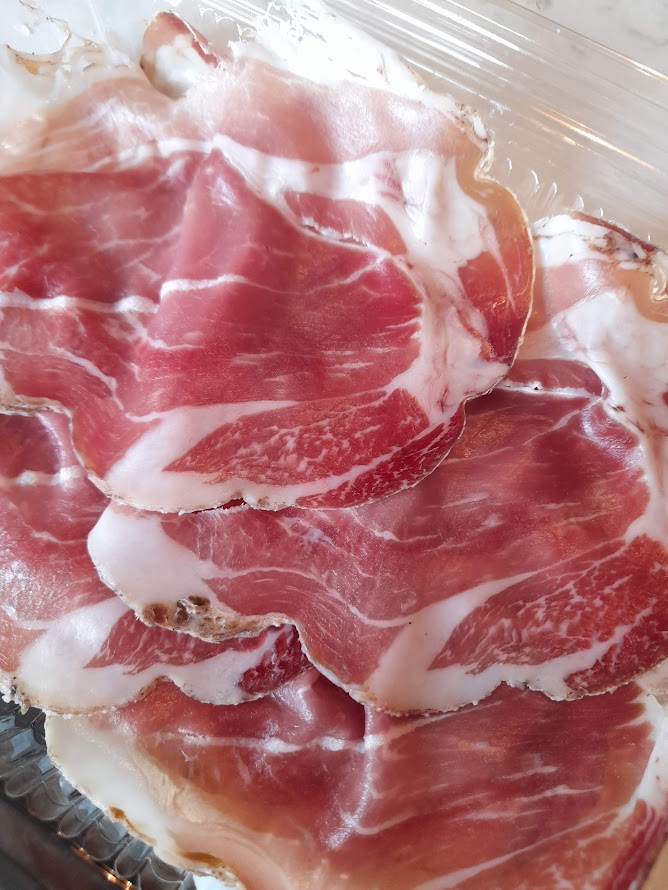
Coppa di Parma is a dry-cured salumi made from the muscle that runs from the neck to the shoulder of the pig. It is seasoned with spices, such as cinnamon and cloves, before being stuffed into a natural casing and aged for several months. The result is a richly marbled salumi with a deep, savory flavor and a tender texture. Coppa is often enjoyed as part of an antipasto platter or with cheese and bread.
11. Fiocchetto
Fiocchetto is similar to Culatello but is smaller and made from the lower part of the pig’s leg. It is less expensive and less intense than Culatello but still offers a rich, delicate flavor. Fiocchetto is often sliced thin and enjoyed as part of an antipasto, paired with fresh bread and a glass of wine.
12. Salumi di Suino Nero
The black pigs of Parma, known as Suino Nero, are a heritage breed that produces some of the most flavorful pork in Italy. Salumi made from Suino Nero are characterized by their deep red color and intense marbling. These include salami, pancetta, lardo, and prosciutto, all of which have a rich, earthy flavor that reflects the pigs’ diet and the traditional production methods used. Breeding programs today focus on biodiversity preservation, animal welfare, and slow growth, aligning with modern sustainability standards and conscious consumption trends.
Festivals, Itineraries and Where to Learn More
The best time to immerse yourself in Parma’s salumi culture is September, when the Festival del Prosciutto di Parma takes place in Langhirano, with producer open days, guided tastings, and celebrations of the ham’s heritage. For recent coverage, see our report on the Parma Ham Festival 2024.
If you want to turn salumi into a full day out, both of these itineraries combine multiple products and producers in one trip: a day around Parma between ham, Culatello and castles, and a more structured Parma, prosciutto and Culatello day itinerary at Antica Corte Pallavicina. For a deeper cultural angle, MUSA, the first charcuterie museum in Italy, offers a fascinating overview of the history and craft behind Italian salumi. And if you are visiting from Florence or Tuscany, there are also excellent prosciutto and salumi tours accessible from Florence.
Conclusion
Parma’s salumi are a testament to the region’s rich culinary heritage and its commitment to quality and tradition. Each salumi offers a unique taste of Parma, from the delicate sweetness of Spalla Cruda to the robust flavor of Culatello di Zibello. Whether you are a seasoned gourmet or a curious traveler, indulging in Parma’s salumi is an experience that should not be missed. Today, many visitors combine tastings with producer visits, food tours, and countryside experiences, turning Parma into a living gastronomic classroom as much as a destination for great eating.
Ready to Go Deeper Into Parma’s Salumi Culture?
We arrange private visits to prosciutto factories, culatello cellars, and artisan producers — with tastings, local guides, and no crowds.
Plan Your Parma Salumi Experience →Discover more from Emilia Delizia
Subscribe to get the latest posts sent to your email.