The Art of Curing Parma Ham: Inside the Skills of a Master Salter
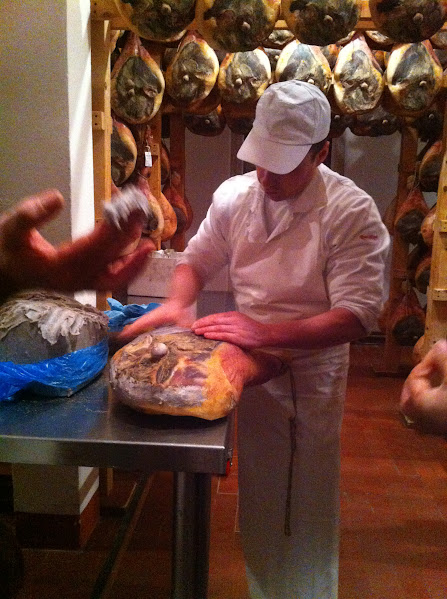
Curing Prosciutto di Parma is not a mechanical process—it is a craft refined through years of experience, precision, and careful judgement. At La Perla Prosciuttificio in Langhirano, master salter Fabrizio often explains that it can take up to ten years to fully understand the nuances of the job.
This insight comes directly from guided visits in the Parma hills, where the difference between industrial curing and true artisanal production becomes immediately clear.
If you are organising your stay in the area, this article fits within our broader planning guide: How to Plan Your Trip to Parma.
If you would like to experience this tradition first-hand, you can explore our dedicated visit here:
Parma ham tour from Bologna
Why Timing Matters in Prosciutto Production
According to the strict rules of the Consorzio del Prosciutto di Parma, pork legs must arrive at the curing facility as quickly as possible after slaughter. Timing is critical for two main reasons.
- Fresh meat contains natural bacteria; starting the curing process early prevents spoilage.
- Faster processing allows the use of less salt, preserving Parma ham’s delicate and naturally sweet aroma.
Unlike many cured meats, true Parma ham is never aggressively salty. Its flavour relies on minimal salt, long aging, and precise human intervention—leaving very little margin for error.
How the Salting Process Begins
When fresh legs arrive in Langhirano, the rind is first massaged and salted using mechanical rollers. However, the most delicate phase—the salting of the exposed meat—is carried out entirely by hand by the master salter.
See where the food actually comes from.
The Emilia Delizia food tour takes you inside working Parmigiano, balsamic, and ham producers — rated 4.9 stars on TripAdvisor.
There are three critical points where salt must be applied with absolute precision.
1. The Femoral Head – The Most Delicate Zone
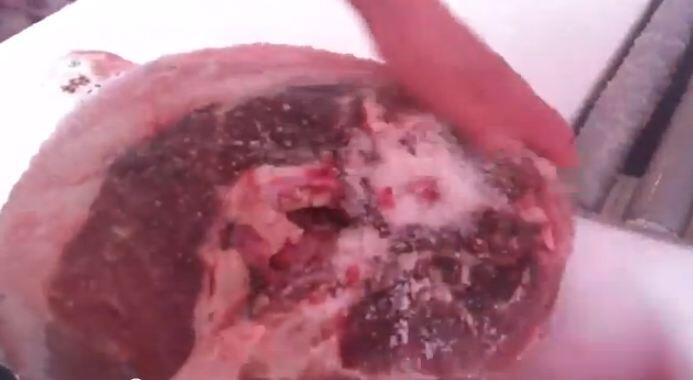
This is the first and most sensitive point of salting. The femoral head is particularly prone to spoilage. Too much salt compromises flavour; too little can ruin the entire leg. This is where years of experience truly matter.
2. The Femoral Artery – Precision Salt Placement
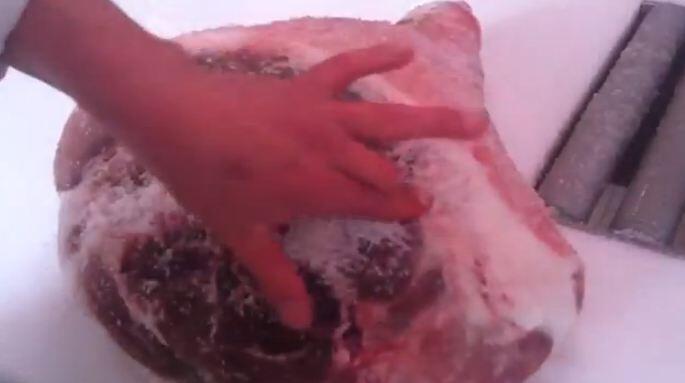
The salter then works along the femoral artery, gently creating a channel where salt can penetrate naturally. This controlled absorption is impossible to automate and depends entirely on touch and judgement.
3. The Fat Line Between Meat and Rind
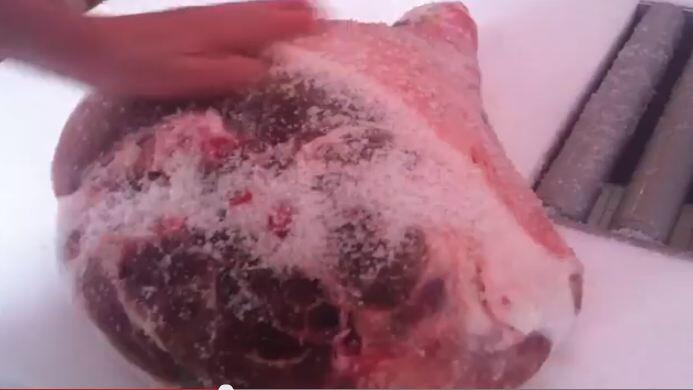
Finally, salt is massaged along the fat line between the rind and the meat. This step regulates moisture loss and helps the ham age evenly over a period of 12 to 36 months.
Learning Parma Ham Curing Techniques
Emilia Delizia organises in-depth visits to small, artisan prosciuttifici across the Parma region. These tours reveal the true craftsmanship behind Prosciutto di Parma, from the earliest salting stages through aging and final tasting.
Visits can be tailored to different levels of interest and are available in multiple languages.
If you are interested in exploring Parma beyond its ham tradition, you may find this guide useful: Things to Do in Parma.
Discover more from Emilia Delizia
Subscribe to get the latest posts sent to your email.