For many people, December means one thing: Christmas is coming. It’s a time for family gatherings, long meals, and — let’s be honest — a bit of indulgence. Italy is famously obsessed with food, but what often surprises visitors is how deeply regional Christmas traditions remain, even today. Despite being a relatively small country, Italy’s festive table changes dramatically from one region to another.
Every region — and sometimes every individual city — preserves its own seasonal specialties. This short guide explores three classic Italian Christmas desserts from different parts of the country. Consider it only a starting point: Italy’s festive baking traditions are far richer and more diverse than any single list can capture.
Emilia-Romagna: Certosino di Bologna
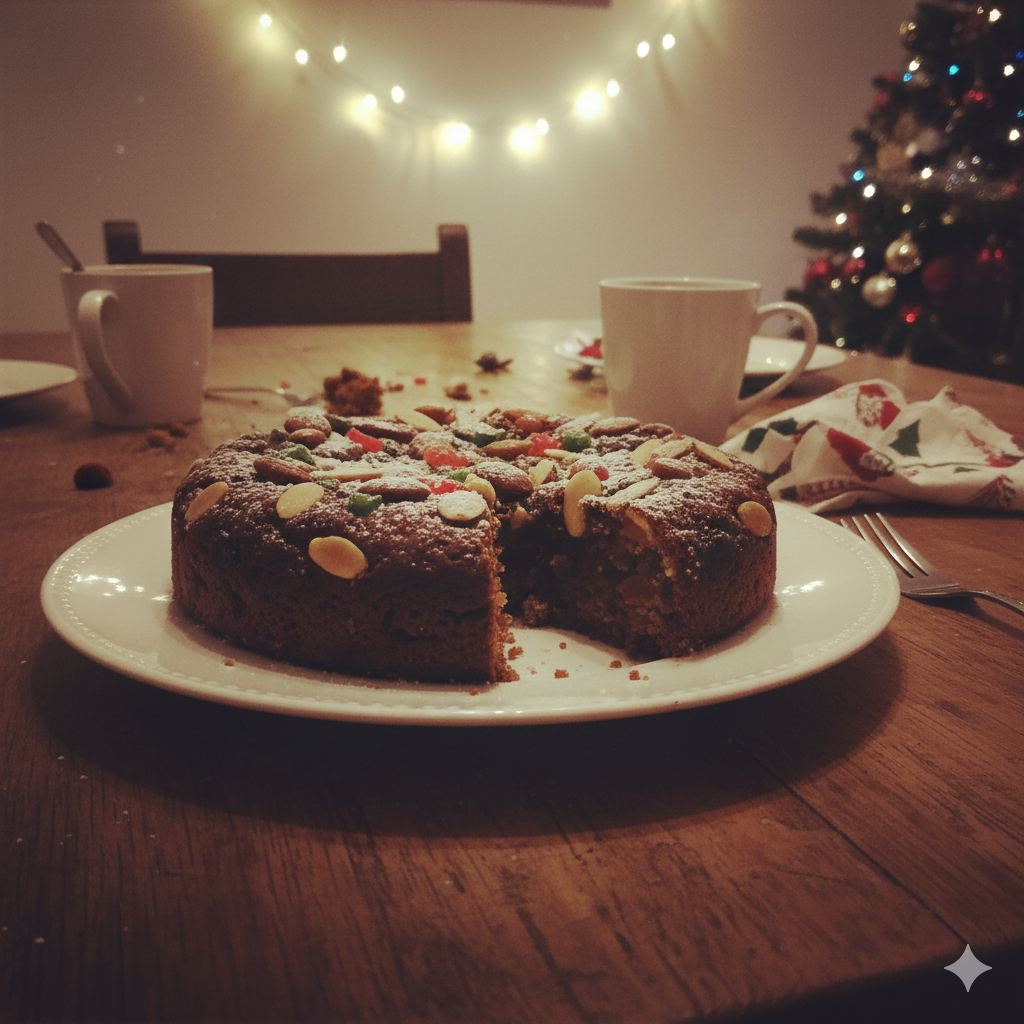
Bologna’s traditional Christmas cake is known as Certosino. It belongs to the family of dense spiced cakes often compared to panforte — literally “strong bread” — designed to mature over time. Certosino is typically prepared weeks in advance, usually before mid-November, allowing the flavours to develop slowly before it is enjoyed during the holidays.
The recipe dates back to medieval times and combines simple but rich ingredients such as flour, honey, raisins and almonds. Although the ingredient list appears straightforward, the preparation requires patience and precision. Today, Certosino can still be found in many bakeries across Bologna, especially in the weeks leading up to Christmas.
If you’re interested in discovering more forgotten or lesser-known recipes from the city, you may also enjoy reading about traditional dishes that are slowly disappearing from Bologna’s kitchens.
Tuscany: Ricciarelli di Siena

In Tuscany — particularly in the historic city of Siena — Christmas tables are rarely complete without ricciarelli. These soft almond-based biscuits are made with almond flour, sugar and egg whites, then dusted generously with icing sugar. They are usually served at the end of a meal, often paired with vin santo or a small glass of amaretto.
Their origins date back to the 15th century, when marzipan and almond paste were highly prized across central Italy. While the preparation can be time-consuming, ricciarelli remain widely available in bakeries and pastry shops throughout Tuscany during the holiday season — and they’re dangerously easy to fall in love with.
Veneto: Pandoro di Verona

Pandoro is arguably the most recognisable Italian Christmas cake nationwide. While every region has its own specialty, Pandoro appears on tables across the entire country during the holidays. Soft, buttery and lightly scented with vanilla, it’s loved for its delicate texture and comforting simplicity.
Its distinctive shape resembles a star with eight points, traditionally dusted generously with powdered sugar just before serving.
Making a high-quality Pandoro at home is notoriously difficult due to the long fermentation and precise temperature control required. For this reason, most Italians buy it from trusted brands such as Bauli or Melegatti, or from artisan bakeries that specialise in seasonal pastries.
Interestingly, Pandoro’s origins may trace back to Austrian baking traditions, where a similar cake was once known as “Vienna bread.” Over time, it evolved into what Italians now call Pan d’Oro — “golden bread” — a fitting name for its rich colour and festive character.
This brief overview highlights only a small slice of Italy’s Christmas dessert traditions. Each region preserves its own flavours, techniques and rituals, making winter one of the most fascinating times to explore Italian food culture. Wherever you travel in Italy, tasting local seasonal specialties remains one of the simplest ways to understand the country’s deep regional identity.
Discover more from Emilia Delizia
Subscribe to get the latest posts sent to your email.