As we delve into the world of Parmigiano Reggiano, we are, in essence, venturing into a centuries-old culinary tradition embedded in the rich tapestry of the Italian landscape. Parmigiano Reggiano, colloquially referred to as “The King of Cheeses”, holds a unique standing in global gastronomy.
Table of Contents
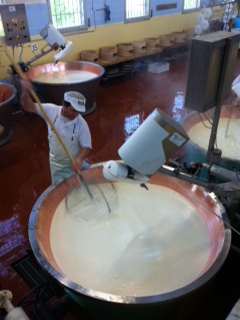
Its distinct flavour, texture, and aroma are the direct outcome of terroir — a concept that encompasses the environmental factors influencing food production, including soil, climate, pasture, and traditional practices refined over generations.
A Brief History of Parmigiano Reggiano
The origins of Parmigiano Reggiano date back to the Middle Ages, around the 12th century, in the regions of Parma, Reggio Emilia, Modena, and parts of Bologna and Mantua.
Monastic orders, seeking to create a durable cheese with long storage potential, developed production methods that still inform the production of Parmigiano Reggiano today. Over the centuries, local communities refined and protected these artisanal techniques, transforming Parmigiano Reggiano into both a cornerstone of Italian gastronomy and a powerful symbol of regional identity.
The Influence of Terroir on Parmigiano Reggiano
Parmigiano Reggiano’s terroir plays a decisive role in shaping its sensory characteristics. The cheese can only be produced within a strictly defined geographical area, where climate, soil composition, and traditional farming practices combine to create its unmistakable profile.
The cattle used for milk production graze exclusively on fresh grass, hay, and alfalfa — never silage or fermented feed. These natural diets impart subtle aromatic qualities to the milk, which are then transferred to the cheese during production and aging.
The lush vegetation and biodiversity of the region directly influence the organoleptic properties of Parmigiano Reggiano — the flavours, aromas, and textures perceived through the senses.
Seasonality and Aging: Time as an Ingredient
Seasonality also plays a crucial role in defining Parmigiano Reggiano’s character. Producers continue to follow traditional cheese-making rhythms, processing milk according to natural cycles rather than industrial schedules.
Seasonal variations in pasture quality subtly affect the milk, leading to differences in flavour from batch to batch. After production, the cheese is aged for a minimum of 12 months, with many wheels maturing for 24, 30, or even 36 months and beyond.
As aging progresses, flavours deepen, textures become more granular, and aromas evolve — transforming the cheese from delicate and milky to intense, savoury, and richly complex.
Tasting Notes and Nutritional Significance
Parmigiano Reggiano is exceptionally versatile, making it a staple in kitchens around the world. Depending on its age, its flavour profile can range from lightly sweet and creamy to intensely savoury and umami-rich.
Beyond taste, Parmigiano Reggiano offers a notable range of health benefits. It is naturally rich in protein, calcium, and phosphorus, along with a high concentration of essential vitamins and minerals.
For travellers interested in understanding these differences firsthand, visiting a dairy offers invaluable insight into how terroir, aging, and craftsmanship shape each wheel. You can explore this process in depth on a Parmigiano Reggiano dairy factory tour in Emilia-Romagna.
Conclusion: A Living Expression of Place and Tradition
Creating Parmigiano Reggiano is far more than a technical process — it is an art form rooted in the harmony between nature and human skill. This balance, refined over centuries, underscores the deep connection between food and environment.
Every bite of Parmigiano Reggiano represents a specific place, a moment in time, and a cultural legacy. It is an experience that extends beyond flavour alone, inviting us into a living tradition shaped by landscape, history, and patient craftsmanship.
Discover more from Emilia Delizia
Subscribe to get the latest posts sent to your email.