Parma, set in the heart of northern Italy, has a quiet confidence that reveals itself slowly. Known for its refined art heritage, layered history, and world-class food culture, the city rewards visitors who take the time to explore beyond the obvious landmarks. Streets unfold into intimate piazzas, artisan shops coexist with historic cafés, and centuries of craftsmanship shape daily life.
One of Parma’s most distinctive and often overlooked monuments is the Sanctuary of Santa Maria della Steccata, a place where spiritual devotion, Renaissance art, and urban identity intersect at the very centre of the city.
The Sanctuary of Santa Maria della Steccata
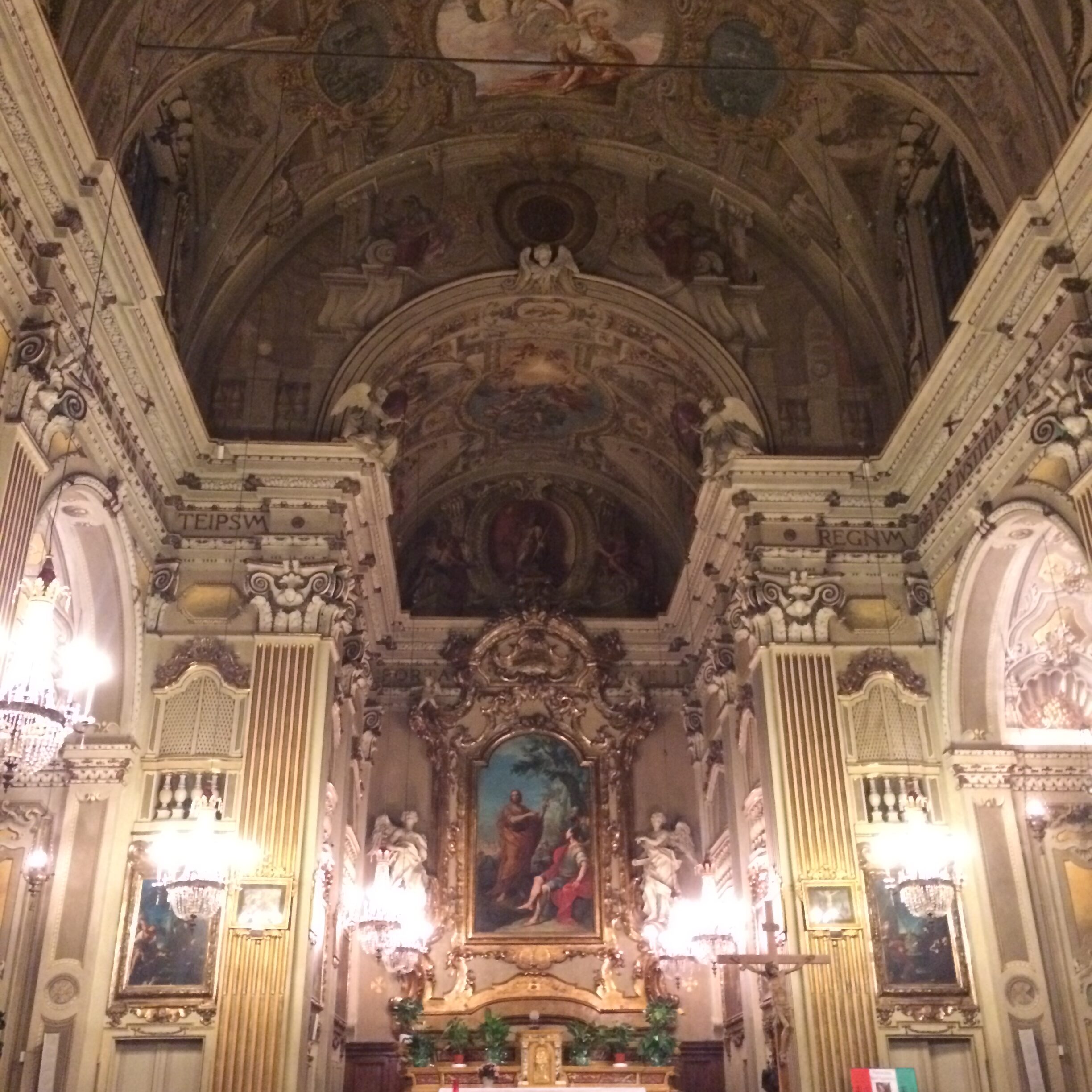
Built on a Greek-cross plan in the early 16th century, the Sanctuary of Santa Maria della Steccata blends Renaissance influences from Lombardy and Tuscany with subtle Piedmontese elements. Standing prominently in Piazza della Steccata, its sober exterior gives little hint of the artistic richness inside, where frescoes, paintings, and architectural harmony create a refined yet intimate atmosphere.
Among the artists whose work can be admired are Michelangelo Anselmi, Bernardino Gatti, and Girolamo Mazzola Bedoli. Their fresco cycles and altarpieces reflect the transition from late Renaissance to Mannerist styles, making the sanctuary an important reference point for art historians and visitors interested in northern Italian painting traditions.
The sanctuary also holds deep religious significance. It preserves the revered image of Our Lady of Grace, the patroness of Parma, and houses the relics of six of the city’s patron saints. The Theiete Chapel, designed by Jacopo Barozzi da Vignola and containing the tomb of Ottavio Farnese, adds a further layer of architectural and dynastic importance.
Beyond its artistic value, Santa Maria della Steccata plays an active role in local life. The surrounding piazza hosts markets, cafés, and daily social interactions, allowing visitors to experience how sacred spaces continue to shape contemporary urban rhythms.
Parma and Its Food Culture
Parma’s identity is inseparable from its cuisine. Recognised by UNESCO as a Creative City of Gastronomy, the city represents one of Europe’s most coherent food ecosystems, where agricultural production, artisanal processing, and culinary culture reinforce each other.
Looking for an authentic food experience?
Join our Foodie's Delight Tour – Parmigiano Reggiano, balsamic vinegar & cured meats in one unforgettable day.
Prosciutto di Parma and Parmigiano Reggiano are more than local specialities — they are expressions of regulated craftsmanship built on natural aging, strict production standards, and generational know-how. Local wines such as Lambrusco and Malvasia complement the region’s cuisine with freshness and balance.
Exploring Parma through food offers one of the most direct ways to understand its culture, whether through markets, trattorias, or guided tastings. Visitors interested in curated itineraries can also discover wider food experiences in Emilia Romagna that connect producers, landscapes, and regional traditions.
Layers of History Across the City
Beyond Santa Maria della Steccata, Parma reveals its historical depth through a compact yet extraordinarily rich city centre. The Parma Cathedral and adjacent Baptistery stand among the finest examples of Romanesque architecture in northern Italy, celebrated for sculptural programs and fresco decoration.
The monumental wooden Farnese Theatre, located inside the Palazzo della Pilotta complex, reflects Parma’s Renaissance ambition and its enduring relationship with music and spectacle. Nearby, the Galleria Nazionale preserves a major collection of Italian painting, while the Palatine Library safeguards rare manuscripts and early printed works that trace the intellectual evolution of the city.
Travelers planning a broader visit may also want to consult our complete guide to things to do in Parma, covering landmarks, food experiences, and cultural highlights.
Conclusion
The Sanctuary of Santa Maria della Steccata encapsulates much of what makes Parma special: artistic refinement, spiritual continuity, and urban authenticity. Combined with the city’s culinary heritage and layered historical fabric, it forms part of a travel experience that feels genuine rather than manufactured.
Parma does not impose itself loudly on the visitor. Instead, it rewards curiosity, patience, and attention to detail — revealing its character gradually through architecture, flavor, and lived tradition.
Discover more from Emilia Delizia
Subscribe to get the latest posts sent to your email.