Driving on the Italian Autostrada: Tolls, Speed Limits and Practical Tips
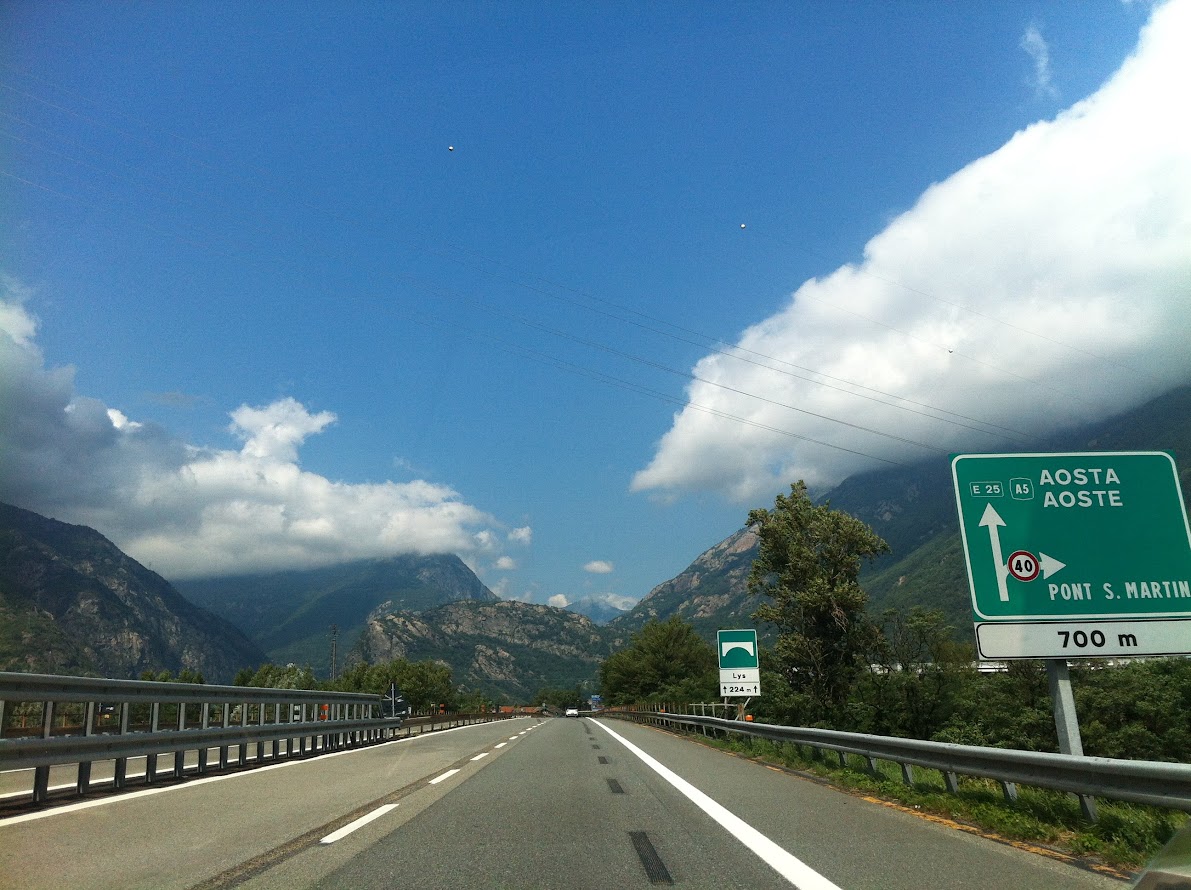
If you’ve chosen to rent a car while traveling in Italy, understanding how the Italian motorway system works will save you time, money and unnecessary stress. Italian highways are called autostrade (singular: autostrada) and operate with toll systems, speed controls and specific lane rules.
For most visitors, driving on Italian roads feels familiar, especially if you are used to European traffic rules. However, long-distance travel almost always involves the autostrada network, where procedures differ slightly from regular roads.
One of the highlights of motorway travel in Italy is the Autogrill service areas. These are full-service rest stops offering cafés, hot food, toilets, fuel, souvenirs and convenience items. Toilets may sometimes require a small coin fee (€0.50–€1), which helps maintain cleanliness.
Autostrade are toll roads. When entering, you collect a ticket and pay when exiting based on distance traveled. Payment is accepted by card or cash. Some lanes are reserved for Telepass, an electronic toll device generally not included in rental cars. Entering a Telepass lane without the device can result in fines and delays.
How to Calculate Distances and Toll Fees
Before starting a long drive, it is useful to calculate approximate toll costs and travel time. The official motorway website Autostrade.it allows you to estimate toll fees and distances between entry and exit points.
This helps avoid surprises at toll booths and allows better budgeting for longer journeys.
Speed Limits and Driving Rules
The maximum speed limit on Italian autostrade is generally 130 km/h, reduced to 110 km/h in bad weather. Speed limits are clearly displayed on roadside signs and are enforced by automatic cameras.
The left lane is reserved for overtaking and faster traffic. If vehicles approach quickly from behind, move to the right lane once you have completed your pass. Minimum speed limits may also apply on certain lanes and should be respected.
Speed cameras operate automatically and fines are sent to the rental company if you are driving a rental vehicle. Additional administrative fees may apply.
Driving calmly, respecting lane discipline and allowing sufficient stopping distance makes motorway travel in Italy smooth and safe.
Planning Your Route and Avoiding Mistakes
When driving in Italy, common mistakes include entering the wrong toll lane, misunderstanding speed limits, or accidentally entering restricted city zones (ZTL). Urban driving requires additional attention, especially in historic centres.
If you are organising a broader itinerary and want to understand how driving, trains, accommodation areas and regional connections fit together, you may find it useful to explore our complete guide on how to plan your trip to Bologna, where we cover transport options, hotels, day trips and practical travel planning.
Safe travels and enjoy discovering Italy’s landscapes and cities responsibly.
Discover more from Emilia Delizia
Subscribe to get the latest posts sent to your email.