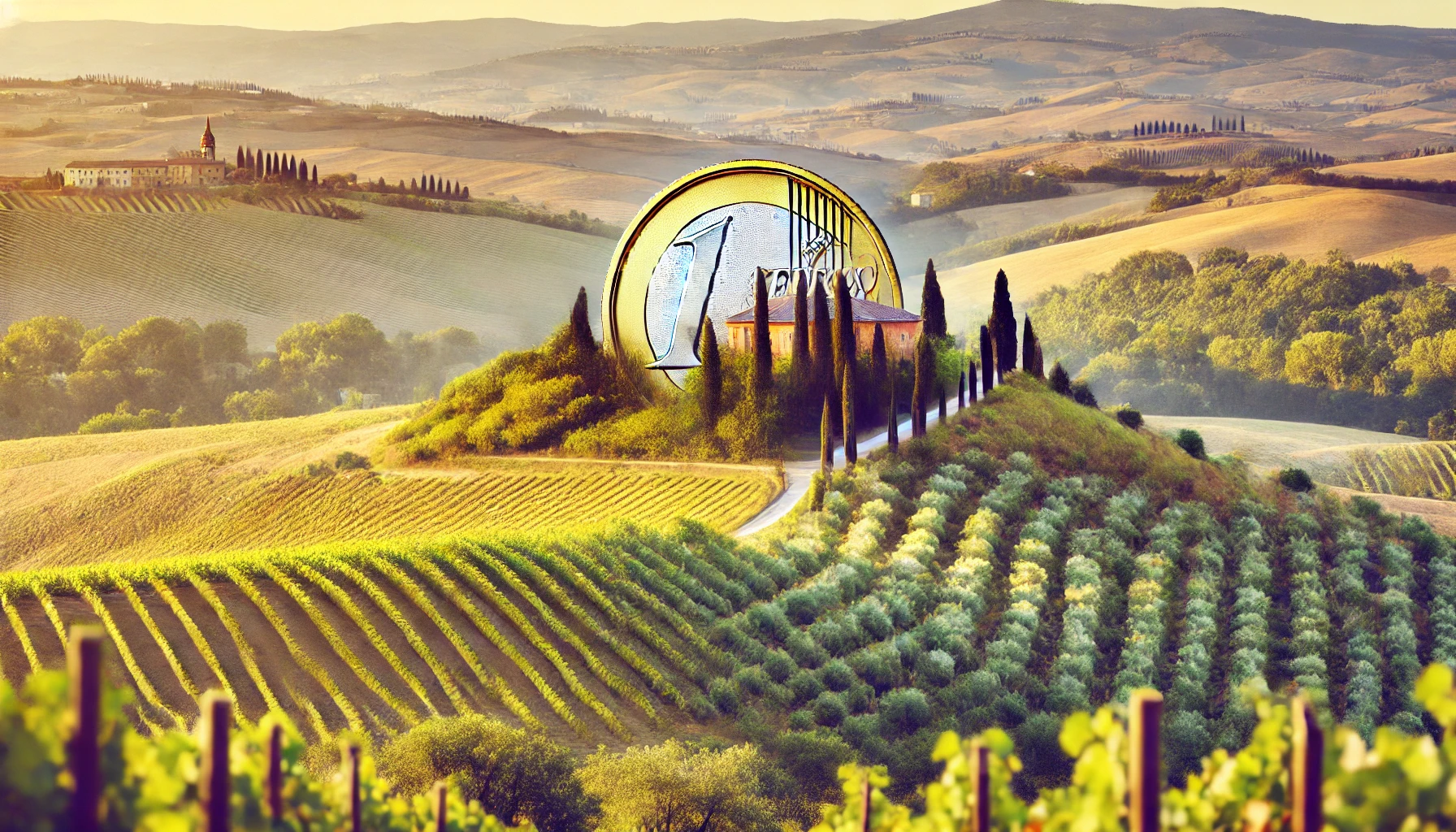
The 1 Euro house initiative in Tuscany aims to revitalise rural villages affected by depopulation and economic decline. Through this scheme, abandoned or derelict homes are sold for a symbolic price of one euro, on the condition that buyers commit to restoring them within a fixed timeframe—usually three years.
The objective is not cheap real estate, but long-term regeneration: attracting new residents, preserving historic buildings, and injecting life into communities that risk disappearing. Among the Tuscan towns that have adopted this approach, Fabbriche di Vergemoli and Montieri stand out for their setting, heritage, and lifestyle appeal.
How the 1 Euro House Scheme Works
Prospective buyers must submit a renovation proposal to the local municipality, usually outlining a budget, timeline, and intended use of the property. Some councils also request a refundable security deposit to ensure the renovation is completed within the agreed period.
Once approved, ownership is transferred and renovation work must begin in accordance with local planning rules and heritage regulations. This is not a passive investment—it is a hands-on commitment.
Potential Pitfalls to Be Aware Of
- Bureaucracy: Italian administration can be demanding, particularly for foreign buyers. Documents, permits, and identification numbers are required at every stage. Understanding how systems like the codice fiscale actually function will save time and frustration.
- Renovation costs: While the purchase price is symbolic, restoration is not. Structural work, utilities, seismic upgrades, and energy compliance can add up quickly.
- Hidden issues: Many properties have been abandoned for decades. Full inspections are essential to avoid unpleasant surprises.
- Deadlines: Failure to complete works within the agreed timeframe can result in penalties or loss of the property.
- Administrative reality: Day-to-day processes—paying fees, submitting documents, sending paperwork—often involve institutions like Poste Italiane, which operate very differently from their northern European counterparts.
Fabbriche di Vergemoli (Lucca Province)
Located in the Garfagnana region of northern Tuscany, Fabbriche di Vergemoli lies between the Apuan Alps and the Serchio valley. It is approximately 25 km from Lucca and within reach of Pisa airport, while remaining firmly rural and unspoilt.
The area has medieval roots tied to ironworking and trade routes, with landmarks such as the Ponte della Dogana and historic parish churches. Today, it appeals to those seeking isolation, nature, and authenticity.
Nature dominates life here. The nearby Grotta del Vento, forest trails, hermitages, and mountain paths define the landscape. This part of Tuscany also borders Lunigiana, a lesser-known region famed for slow living, seasonal food culture, and outdoor activities such as truffle hunting and vineyard experiences—a good indicator of the kind of everyday lifestyle available rather than tourist spectacle.
With a population of under 1,000 residents, the community is tight-knit. Life revolves around local produce, small festivals, and seasonal rhythms rather than services and convenience.
Montieri (Grosseto Province)
Montieri is situated in southern Tuscany, between Siena and the Maremma coast. Historically important for its silver and copper mines, the town retains a strong medieval character and a quieter, more introspective atmosphere.
Surrounded by forests and nature reserves, Montieri appeals to hikers, foragers, and those seeking a slower pace. The climate is cooler than coastal Tuscany, and daily life is shaped by the seasons.
The population, just over 1,000 residents, supports a modest but stable local economy. Traditional Tuscan cuisine—game, chestnuts, mushrooms—features heavily in everyday life.
Who Is This Lifestyle Best Suited For?
Remote workers and digital nomads who value silence, space, and focus can thrive here—provided they plan connectivity carefully. While coverage is improving, understanding mobile internet access in Italy is essential when managing work or renovations from abroad.
Retirees seeking peace, affordability, and a sense of belonging often find these villages deeply rewarding.
Buyers of second homes who want long-term value rather than short-term returns may appreciate the cultural and emotional payoff of restoring a historic property.
Families attracted to outdoor life, safety, and community—but not dependent on urban services—can adapt well with realistic expectations.
Conclusion
The 1 Euro house initiatives in Fabbriche di Vergemoli and Montieri are not shortcuts to cheap property, but invitations into a very specific way of life. They reward patience, adaptability, and long-term commitment.
For those willing to engage fully—with bureaucracy, renovation, and community—the result is not just a restored house, but a genuine place within rural Tuscany.
Discover more from Emilia Delizia
Subscribe to get the latest posts sent to your email.