One-Euro Houses in Italy: Where They Are, How to Buy, Hidden Costs, and Whether It’s Worth It
Imagine buying a house in Italy for the price of an espresso. It sounds like a fantasy, but Italy’s “Case a 1 Euro” (one-euro homes) initiatives make it possible—with conditions. These schemes were created to revive depopulated towns by transferring abandoned, often unsafe homes to buyers willing to restore them and bring life back to historic centres.

The modern idea is often traced back to Sicily, where the mayor of Salemi proposed selling derelict homes for €1 to kick-start regeneration. From there, dozens of municipalities—north and south—adopted similar approaches. The catch is simple: the house is symbolic at €1, but the buyer commits to a renovation plan and deadlines, usually backed by a deposit.
In this guide, you’ll find: where the €1 houses are, how the process works, hidden costs and risks, buyer experiences, plus a look at other incentives where towns will even pay people to relocate.
Further reading: Idealista’s overview is useful for understanding current town examples and general rules (dates and availability can change quickly), while municipalities remain the official source for live listings and application forms. (Idealista: 1 euro houses in Italy)

Where Are These One-Euro Houses?
There isn’t one national marketplace for €1 houses. Each Comune runs its own program, publishes its own rules, and releases properties in waves. That’s why a town can be “active” one year and quiet the next.
Broadly, most projects cluster in areas facing depopulation—especially in southern Italy and the islands—but there are also examples in central and northern regions.
- Sicily remains the best-known hotspot, with towns such as Mussomeli, Sambuca di Sicilia, Gangi, Troina, Caltagirone, and others appearing in national and international press. A first-hand, realistic perspective on the process (and the renovation reality) is well captured here: Outside Online: What It’s Really Like to Buy a 1 Euro Home in Italy.
- Sardinia has featured towns such as Ollolai, Nulvi, and Bonnanaro, usually focused on historic centres and long-term repopulation goals.
- Southern mainland regions (including Calabria, Molise, Abruzzo, Basilicata, Campania, Puglia) periodically offer €1 schemes in small villages. Rules vary, but the logic is consistent: buyers commit to turning neglected buildings into safe, habitable homes.
- Central and northern Italy has fewer examples, but they exist. Renovation costs can be higher where materials and labour are more expensive, so the symbolic purchase price matters less than the total project budget.
How to find listings: start with the Comune website (look for “Casa a 1 Euro”, “Bando”, or “Avviso”), then confirm deadlines, deposit requirements, and renovation timelines. Aggregator maps exist, but always verify details with the municipality.
How to Buy a One-Euro House
Buying a €1 house is not like a normal property purchase. It’s a structured agreement with obligations. The exact steps vary by town, but the workflow typically looks like this:
1) Choose a town and confirm the rules
Start with towns that clearly publish a current call (“bando”) and a contact email. Read the rules carefully: deadlines, deposit amount, renovation timeframe, and whether a site visit is required.
2) Submit an application (usually written)
Most municipalities require a formal expression of interest. You may need personal details and a short motivation statement; some towns ask for a simple outline of how you plan to renovate.
3) Prepare the essentials: codice fiscale + practical support
Foreigners can buy property in Italy, but you will need an Italian codice fiscale (tax code). If you’re not fluent in Italian or won’t be present locally, consider hiring a local architect/engineer who can manage permits and communicate with the Comune and contractors.
If you’re in “planning mode” and want to understand Italy on the ground (culture, logistics, local rhythm), a short trip can be more valuable than months of online research. If your itinerary includes Emilia-Romagna, you might enjoy a day out in the Food Valley—see how food is made, meet people, and experience daily life beyond the tourist layer. (Here’s our Parma Food Tour, which includes producer visits and tastings.)
4) The “€1” purchase is symbolic—fees and deposit are real
Even if the house costs €1, you should budget for:
- Notary and registration fees (often a few thousand euros).
- A deposit / bond (commonly €1,000–€5,000+) that you typically get back only if you complete the renovation within the agreed timeline.
A mainstream overview of typical fees, deposits, and the “don’t underestimate renovations” reality is summarised here: The Independent: Italy’s 1 euro houses.
5) Renovate within deadlines
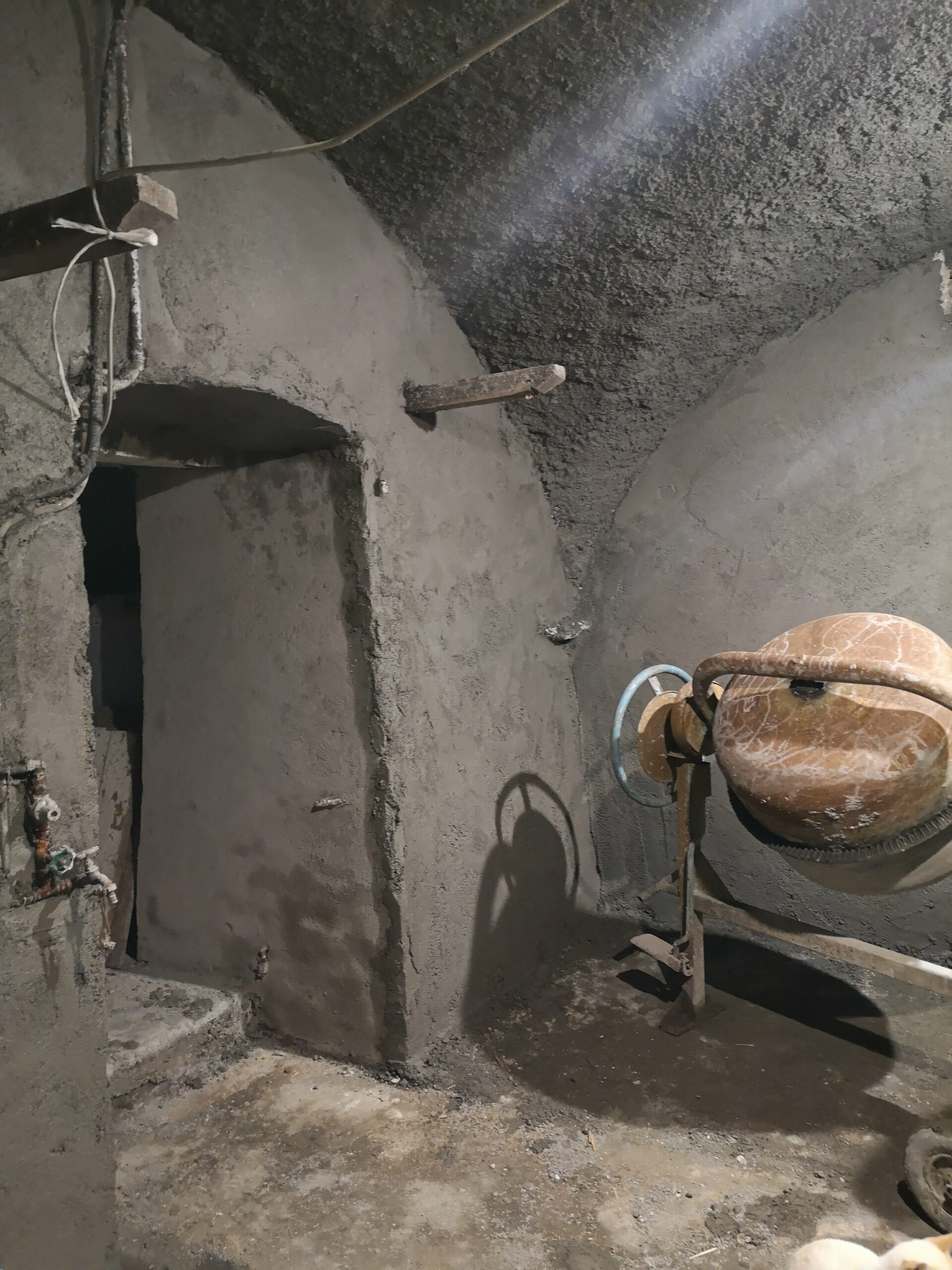
Most contracts require you to submit plans within months, start work relatively quickly, and finish within 2–3 years. Miss the deadlines and you may lose the deposit (and in some cases face penalties). Treat this as a long project: permitting, contractor availability, and supply delays can all stretch timelines.
✨ Tip: Before you commit, visit in person if possible. Many towns expect buyers to see the property and understand the scale of the work.
Hidden Costs and Challenges
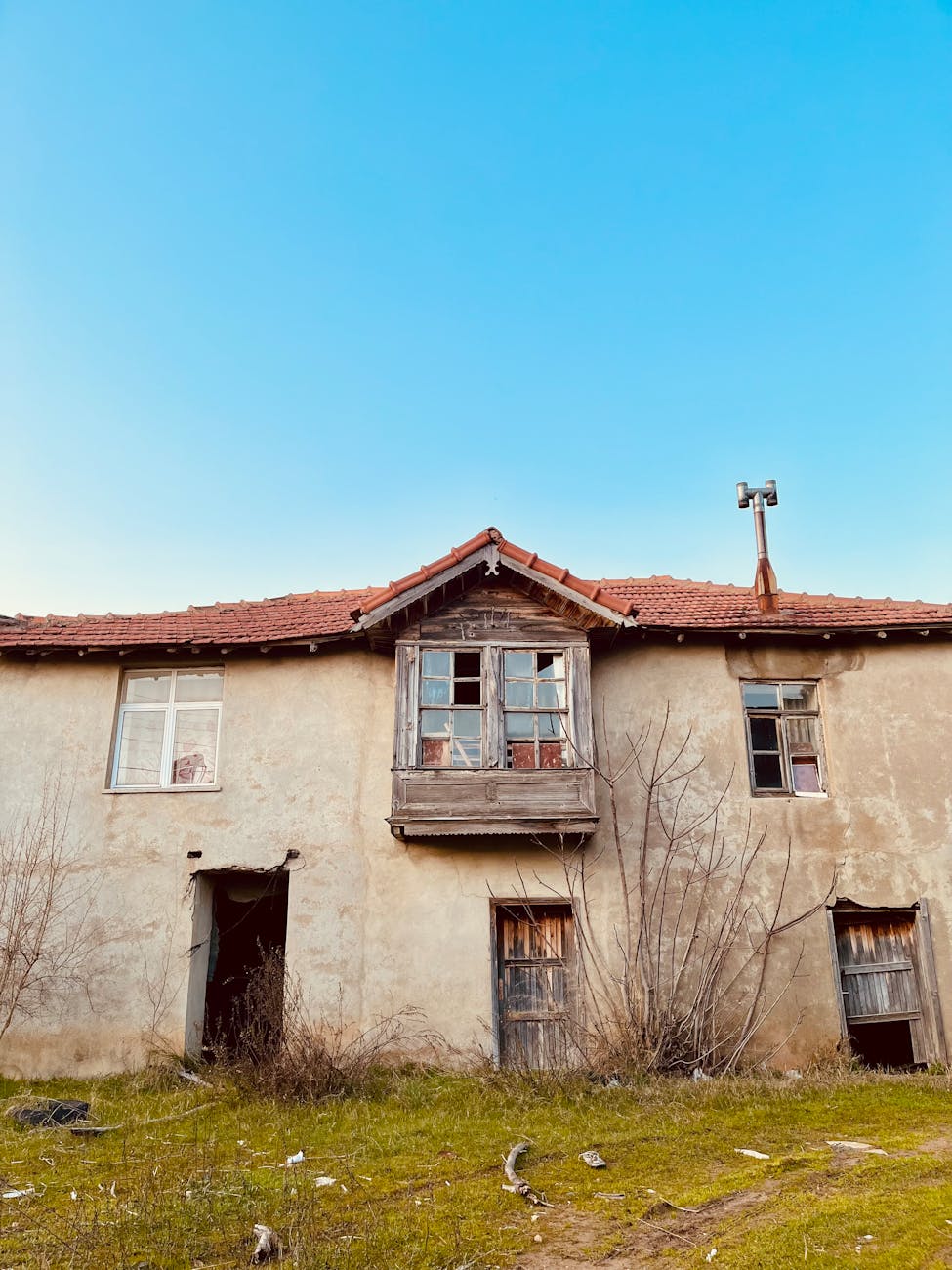
The €1 price is attention-grabbing, but the real cost is the renovation. Go in with realistic expectations and a buffer.
- Renovation expenses: many properties are structurally compromised—roof, floors, plumbing, electrics, insulation, and damp treatment may all be required. A common ballpark range is €20,000–€50,000+ depending on condition, size, and location. (Source overview)
- Fees, taxes, and utilities: budget for notary costs, registration fees, and the practical costs of connecting or upgrading utilities.
- Time + bureaucracy: permits, utilities, and paperwork can take far longer than expected—especially in small towns with limited staff. Everyday admin can also be surprisingly time-consuming, from opening accounts to sending documents. Anyone who has dealt with Poste Italiane will understand how easily simple tasks can turn into half-day affairs. Patience (and flexibility) is essential.
- Remote village realities: some towns are beautiful but quiet and car-dependent. Make sure the lifestyle matches your goals (full-time living, holiday home, rental, retirement).
Bottom line: think of a €1 house as a discounted acquisition plus a serious renovation commitment. If you plan well, it can be rewarding; if you underestimate the work, it can become stressful fast.
Success Stories and Buyer Experiences
Many buyers report the same arc: excitement, a reality-check phase, then satisfaction once the house becomes livable. One widely discussed case is Rubia Daniels in Mussomeli, who documented the mismatch between the “€1” headline and the real-world costs (fees + renovation). Her story is often cited because it’s candid about timelines, contractors, and budget surprises. (Outside Online story)
What seems to help most successful projects:
- Having a clear budget with contingency.
- Working with a local technical professional (architect/engineer) to manage permits.
- Visiting regularly or appointing a reliable local project manager.
- Choosing a town that fits your lifestyle (amenities, accessibility, hospitals, services).
Comuni That Pay You to Move There
Separate from €1 houses, some towns and regions have offered relocation incentives—usually to people who become residents and contribute economically. These programs change frequently, but a few well-publicised examples include:
- Presicce-Acquarica (Puglia): offered grants (reported up to €30,000) tied to buying and restoring certain homes and taking residency. (Travel + Leisure overview)
- Molise: a stipend program reported at €700/month for three years for people moving to certain villages and starting an activity/business. (Idealista overview)
These incentives often require multi-year residency and specific eligibility criteria, so always check official regional or municipal announcements.
Is It Worth It?
It depends on your goals and your tolerance for long projects.
It’s worth it if…
- You have a realistic budget (with contingency) and time flexibility.
It’s not worth it if…
- You want a hassle-free holiday home with minimal administration.
- You have a tight budget margin and can’t absorb surprises.
- You’re doing it purely as a short-term investment flip.
Final thought: the one-euro house schemes are not “free houses.” They’re a trade: a symbolic purchase price in exchange for real restoration work that saves historic buildings and helps towns survive. If that trade excites you—and you’re prepared—it can be a deeply rewarding way to create a home in Italy.
Sources: Idealista (overview), Outside Online (buyer account), The Independent (summary + costs), Travel + Leisure (relocation incentive example).
Discover more from Emilia Delizia
Subscribe to get the latest posts sent to your email.