Reggio Emilia is often overlooked by travellers visiting Emilia-Romagna. This medium-sized town on the Via Emilia, located between Modena and Parma, makes an excellent base for the culinary traveller, thanks to the remarkable concentration of gourmet food traditions found in and around the area.
If you are wondering whether it deserves a stop on your itinerary, we explore this in more detail here: Is Reggio Emilia worth visiting?
Reggio Emilia and Parmigiano Reggiano
Reggio Emilia lies at the very heart of Parmigiano Reggiano production. The history of this extraordinary cheese begins here. Bibbiano, a town in the Reggio Emilia province, is widely recognised as the place where the first documented production started nearly 900 years ago, following the discovery of the earliest written records mentioning the cheese.
For travellers interested in seeing how Parmigiano Reggiano is produced, visiting Reggio Emilia and its surrounding countryside makes perfect sense. While we do not currently run a dedicated tour in Reggio Emilia, visitors can easily experience authentic cheese production by joining our nearby Parma food tour, which includes visits to traditional dairies in the heart of the production area.
Traditional balsamic vinegar of Reggio Emilia
While Modena is internationally associated with balsamic vinegar, the production of Aceto Balsamico Tradizionale is not limited to the Modenese province. Historically, traditional balsamic vinegar formed part of a young woman’s dowry, with barrels passed down through generations.
Due to the close proximity of Modena and Reggio Emilia, this tradition also took root in Reggio Emilia. Here, it is still possible to find smaller, more old-fashioned producers who focus exclusively on high-quality traditional balsamic vinegar rather than large-scale industrial production.
Fresh egg pasta: tortelli di zucca
Like all towns in Emilia-Romagna, Reggio Emilia has its own distinctive fresh egg pasta traditions. One of the most characteristic local dishes is tortelli di zucca. Sometimes hat-shaped or resembling ravioli, these parcels are typically filled with pumpkin, ricotta, and Parmigiano Reggiano.
Some traditional recipes also include a small amount of crushed amaretti biscuits in the filling. While this sweet note is an acquired taste, the dish can be outstanding when dressed simply with melted butter, grated Parmigiano Reggiano, and just a few drops of traditional balsamic vinegar.
A medieval pie: erbazzone
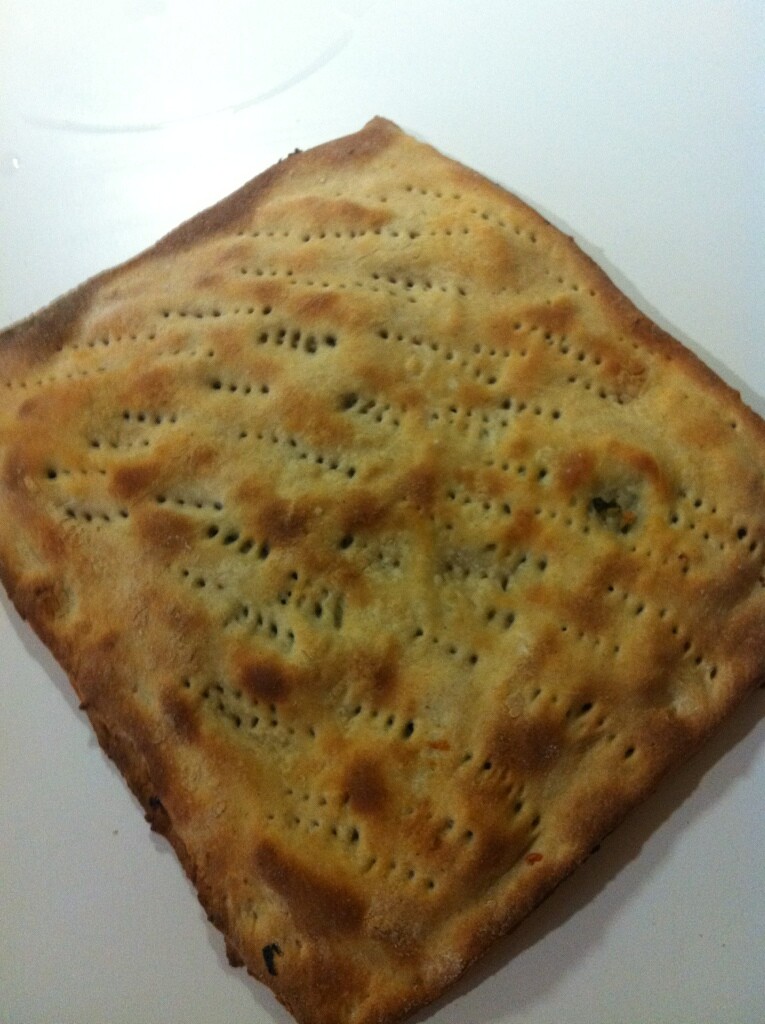
Erbazzone is a classic example of rustic, farmer-style cuisine. Born out of necessity, it was created by rural families using simple, filling ingredients. The pastry is made from flour and lard and filled with chard, spinach, or whatever greens were available in the kitchen garden at the time.
The filling is enriched with Parmigiano Reggiano—sometimes generously, depending on what the household could afford. The pastry is traditionally pierced with a fork before baking, allowing steam to escape while the vegetables cook inside the crust.
Culaccia ham
Culaccia is a close relative of culatello, widely regarded as the finest cut of pork used for cured meats. Unlike culatello, culaccia is cured with the rind still attached, a technique that helps the meat retain exceptional softness and tenderness.
This specialty is typically produced in the hills of Reggio Emilia, where the climate is drier than the fog-prone plains. In blind tastings, culaccia has on occasion outperformed both Prosciutto di Parma and culatello, making it well worth seeking out during a trip to Italy.
Discover more from Emilia Delizia
Subscribe to get the latest posts sent to your email.