The Galleria Estense stands as one of Italy’s most captivating art museums, nestled in the historic city of Modena. Housed within the grand Palazzo dei Musei, it showcases the illustrious collection of the d’Este family, offering visitors a journey through centuries of artistic mastery. Research suggests this gallery is particularly renowned for its Renaissance and Baroque treasures, including works by masters like Bernini and Velázquez, making it a must-visit for those exploring Emilia-Romagna. While opinions on its scale vary—some see it as intimate compared to larger institutions like the Uffizi—evidence leans toward it being a serene, enriching experience that highlights regional Italian art without overwhelming crowds. It’s accessible, family-friendly, and tied to Modena’s vibrant cultural scene, though visitors should note potential closures for renovations or events.
Why Visit Galleria Estense?
This museum isn’t just a repository of art; it’s a window into the opulent world of the d’Este dynasty, who shaped much of northern Italy’s cultural landscape. If you’re planning a trip to Modena, known for its balsamic vinegar and Ferrari heritage, adding the Galleria Estense to your itinerary provides a balanced blend of history and aesthetics. Tickets are affordably priced at €8 for adults, with free entry for children under 18, and the site offers modern amenities like audioguides and wheelchair accessibility. Recent visitor feedback emphasizes its well-curated displays and the thrill of discovering lesser-known pieces alongside famous ones.
Highlights of the Collection
Key attractions include Gian Lorenzo Bernini’s marble bust of Francesco I d’Este, a stunning example of Baroque portraiture that captures the duke’s commanding presence. Another standout is Diego Velázquez’s portrait of the same duke, blending Spanish flair with Italian nobility. The gallery also features musical instruments like the ornate Estense Harp, which once graced Italian currency, underscoring the d’Este family’s patronage of the arts. For a visual sense, imagine strolling through halls lined with Renaissance paintings and ancient sculptures—it’s an immersive experience that feels personal yet profound.
Practical Tips for Your Visit
Open Tuesday through Saturday from 8:30 AM to 7:30 PM and Sundays from 10 AM to 6 PM, the gallery is conveniently located at Largo Porta Sant’Agostino, 337, just a short walk from Modena’s train station. Free admission on the first Sunday of the month makes it even more appealing. Pair your visit with nearby attractions like the Palazzo Ducale in Sassuolo for a full Gallerie Estensi network experience. As with many historic sites, checking for temporary exhibitions or events via the official website is advisable to enhance your trip.
Nestled in the heart of Modena, Italy, the Galleria Estense emerges as a beacon of artistic heritage, inviting travelers and art enthusiasts alike to delve into the opulent legacy of the d’Este family. This esteemed museum, part of the broader Gallerie Estensi network that spans Modena, Sassuolo, and Ferrara, houses an extraordinary collection that spans from medieval masterpieces to 18th-century decorative arts. Located on the fourth floor of the Palazzo dei Musei at Largo Porta Sant’Agostino, 337, it offers a serene escape from the bustling streets below, where visitors can immerse themselves in a world of Renaissance and Baroque splendor. As someone passionate about Italy’s cultural treasures, I’ve always found the Galleria Estense to be a hidden gem—less crowded than Florence’s Uffizi but equally rewarding in its depth and historical significance.
The story of the Galleria Estense is deeply intertwined with the d’Este dynasty, a noble family that ruled over Ferrara, Modena, and Reggio from the late 13th century until 1796. The collection’s roots trace back to the family’s court in Ferrara, a hub of Renaissance innovation. However, in 1598, Duke Cesare d’Este was forced to relocate to Modena after losing Ferrara to the Papal States, bringing as many treasures as possible with him. This move preserved invaluable artworks, though Cesare later gifted or sold pieces to influential figures like Cardinal Borghese to secure alliances. It was Francesco I d’Este in the 17th century who truly revitalized the collection, commissioning new works and even appropriating art from local churches—replacing originals with copies to expand his holdings. Among his notable acquisitions was Diego Velázquez’s portrait during a diplomatic visit to Spain in 1638, and Gian Lorenzo Bernini’s marble bust, crafted remotely based on existing likenesses.
Subsequent rulers had varied impacts on the gallery. Alfonso IV briefly opened it to the public, fostering early accessibility, but Francesco II sold 100 major pieces in 1746 to Augustus III of Poland, now residing in Dresden’s Gemäldegalerie Alte Meister. The Napoleonic era posed significant threats; in 1796, French forces confiscated numerous items as reparations, sending them to institutions like the Louvre. Fortunately, the 1815 Treaty of Paris facilitated the return of many artifacts. Later dukes, including Francis IV and Francis V, continued to enrich the collection, leading to its public inauguration in 1854 by Francesco V d’Austria-Este. By 1894, it had moved to its current home in the Palazzo dei Musei after the Palazzo Ducale was repurposed as a military academy. More recently, a 2012 earthquake necessitated a three-year closure for renovations, reopening in 2015 with enhanced features like improved lighting and climate control systems.
Looking for an authentic food experience?
Join our Foodie's Delight Tour – Parmigiano Reggiano, balsamic vinegar & cured meats in one unforgettable day.
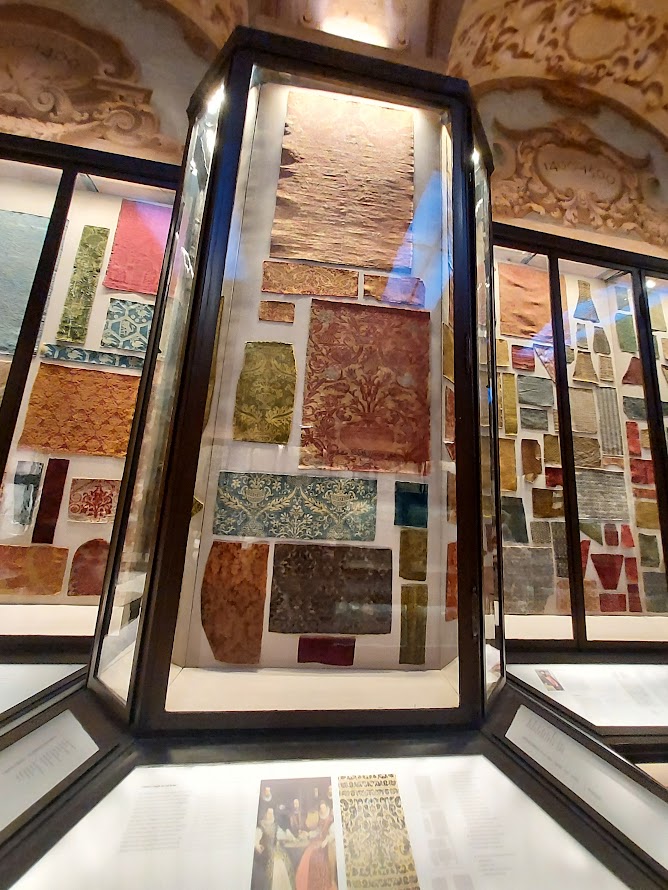
The collections themselves are a testament to eclectic tastes, featuring Italian paintings from the 14th to 18th centuries, with a strong emphasis on the Padana school. Visitors can explore marble and terracotta sculptures, drawings, bronze statuettes, maiolica pottery, medals, ivories, and even musical instruments. The gallery’s layout spans four large halls and 16 rooms, incorporating works from Flemish, German, and French artists, as well as non-Western artifacts from regions like Sierra Leone and Iran. Greco-Roman antiquities and 14th-century altarpieces add layers of historical depth. One particularly enchanting room pairs late 17th-century Emilian paintings with period musical instruments, such as Domenico Galli’s carved strings and Michele Antonio Grandi’s marble harpsichord.
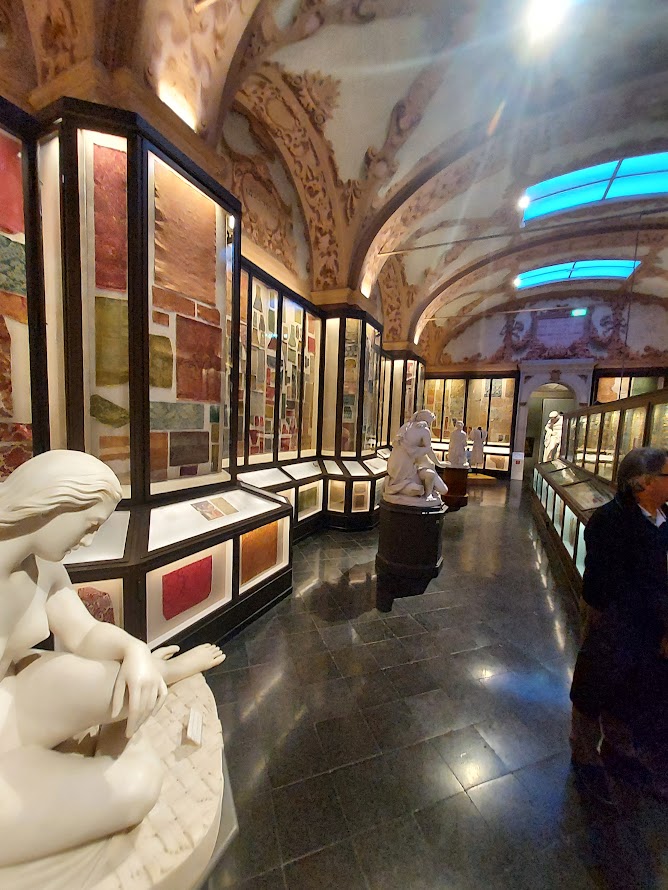
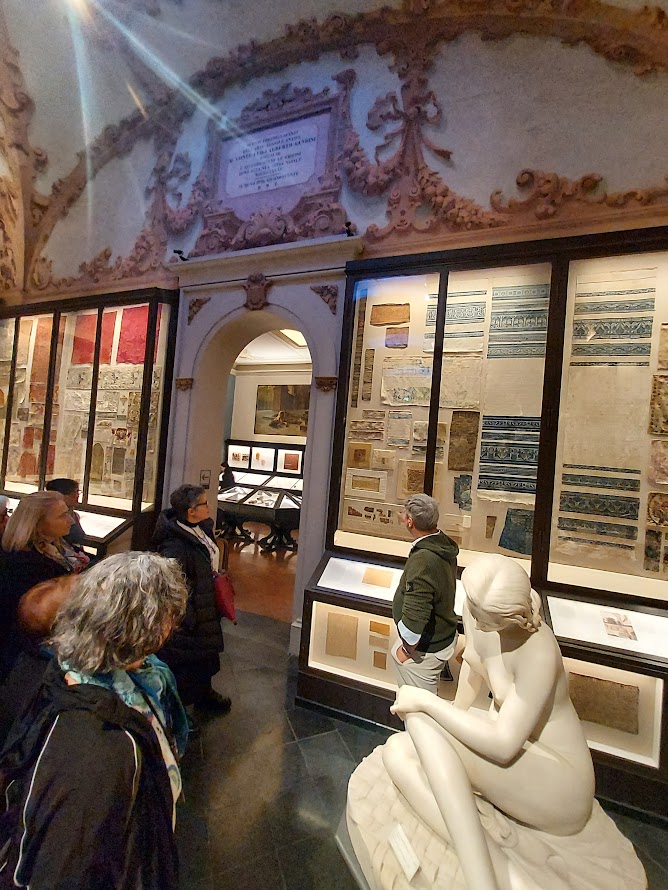
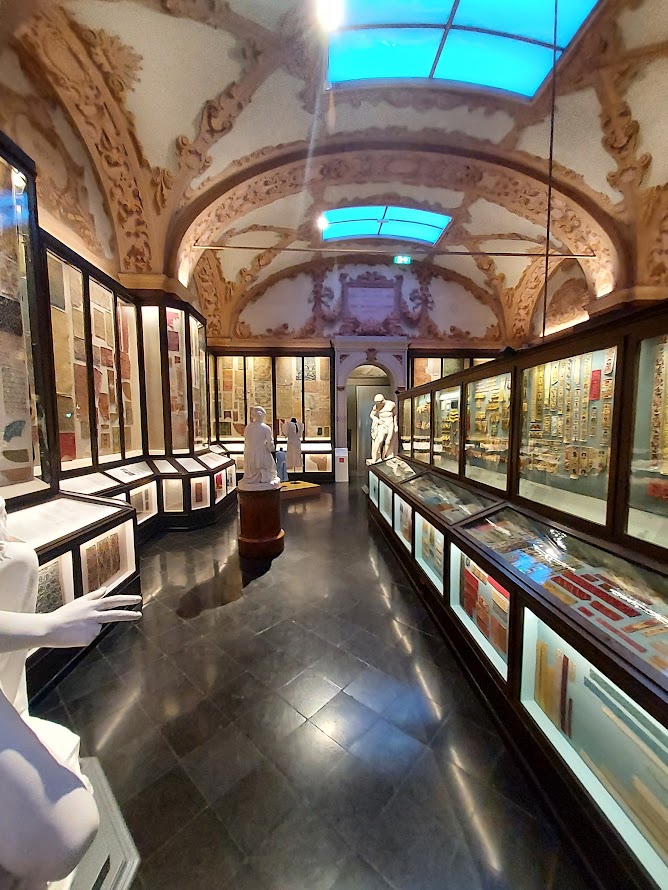
To bring the experience to life, picture wandering through elegant hallways adorned with framed masterpieces and intricate sculptures. Spacious exhibition rooms allow for contemplative viewing, while displays of religious art, like crucifixes, evoke a sense of timeless reverence.
Standout artworks include Bernini’s bust of Francesco I d’Este, celebrated for its dynamic realism and innovative creation process without direct sittings. Velázquez’s portrait exemplifies cross-cultural influences, while the 16th-century Estense Harp, a rare double harp, even appeared on Italian banknotes. Other highlights encompass Wiligelmo’s 12th-century Madonna and Child sculpture, Guido Reni’s dramatic Crucifixion, El Greco’s Modena Triptych with its vivid Mannerist style, Cima da Conegliano’s late 15th-century Pietà, and an 18th-century coral nativity scene. For a closer look at the diversity, consider these key pieces:
| Notable Artwork | Artist | Description | Period |
|---|---|---|---|
| Bust of Francesco I d’Este | Gian Lorenzo Bernini | Marble portrait bust, symbolizing Baroque innovation through remote craftsmanship. | 17th century |
| Portrait of Francesco I d’Este | Diego Velázquez | Oil painting capturing ducal dignity during a Spanish diplomatic mission. | 1638 |
| Madonna and Child (with Telamon) | Wiligelmo | Medieval sculpture integrating religious themes with architectural elements. | 12th century |
| Crucifixion | Guido Reni | Baroque painting with intense emotional depth and dramatic lighting. | 17th century |
| Modena Triptych | El Greco | Mannerist altarpiece featuring elongated figures and vibrant colors. | 1568 |
| Pietà | Cima da Conegliano | Renaissance panel evoking mourning and compassion. | Late 15th century |
| Estense Harp | Various (Ferrarese and Flemish makers) | Ornate instrument highlighting the family’s musical patronage. | 16th century |
| Coral Nativity Scene | Anonymous | Decorative piece using natural coral for intricate storytelling. | 18th century |
Planning a visit is straightforward and accommodating. The gallery operates Tuesday to Saturday from 8:30 AM to 7:30 PM and Sundays/holidays from 10:00 AM to 6:00 PM, with closures on January 1 and December 25. Admission is €8 for adults, €2 for ages 18-25, and free for under-18s; combined tickets with sites like Palazzo Ducale di Sassuolo cost €10. Free entry is available on the first Sunday of each month and select holidays. Accessibility features include wheelchair entry via Viale Vittorio Veneto no. 5, elevators, and tactile paths with Braille panels for visually impaired guests covering seven masterpieces. On-site amenities feature a bookshop and audioguides. Reaching the museum from Modena’s railway station takes 15-20 minutes on foot or via buses 7 or 11.
As of late 2025, the gallery buzzes with engaging events that extend its appeal beyond static displays. The official X account promotes family-friendly activities, such as Halloween-themed treasure hunts in October and concerts like “Caleidoscopio Corelli” on October 25, featuring Baroque music. Earlier in the year, regional highlights included the Festa della Musica on June 21 and the Modenantiquaria antiques fair from February 8-16. Temporary exhibitions, such as “Reflections of Egypt” (November 2024 to May 2025), delved into the d’Este family’s interest in ancient Egypt, while “Maria Pedena” explored a poignant 19th-century story. Regular programming includes guided tours at 2:30 PM and 4:00 PM on weekends.
Beyond its exhibits, the Galleria Estense preserves cultural memory through its photographic archive, boasting over 8,000 glass plates and 50,000 negatives. Visitor reviews often laud its curated spaces and surprises, though some recommend advance bookings during peak seasons. In Modena’s dynamic cultural ecosystem, this museum not only honors the past but actively engages the present, making it an essential stop for anyone seeking authentic Italian artistry. Whether you’re a seasoned art aficionado or a curious traveler, the Galleria Estense promises an unforgettable encounter with history’s finest creations. (Word count: 1,248)
Key Citations:
- GALLERIA ESTENSE – Gallerie Estensi
- Galleria Estense – Wikipedia
- The Gallerie Estensi – VisitModena
- Galleria Estense – VisitModena
- Galleria Estense (2025) – All You Need to Know BEFORE You Go …
- Photographic Archive – Gallerie Estensi
- Galleria Estense | Modena, Italy | Attractions – Lonely Planet
- Modena – all exhibitions and events in the city – Finestre sull’Arte
- MARIA PEDENA, Exhibition Estense Gallery, Modena – Artsupp
- Modenantiquaria 2025: the heart of antiques returns to Modena
- FESTA DELLA MUSICA 2025 – Modena – Grandezze Meraviglie
Discover more from Emilia Delizia
Subscribe to get the latest posts sent to your email.