When Stanley Tucci arrived in Bologna for his CNN series Stanley Tucci: Searching for Italy, he did what anyone with serious food instincts does in this city: he ate. Tortellini in brodo. Tagliatelle al ragù. Mortadella cut thick, at room temperature, eaten standing at a counter. He visited a Parmigiano Reggiano dairy. He watched a sfoglina roll pasta dough by hand into translucent sheets with a long wooden pin. And at every stage, he seemed to arrive at the same conclusion: that Emilia-Romagna is not just one of the great food regions of Italy, but one of the great food regions of the world.
He was not wrong. And his visit — which introduced millions of viewers to a part of Italy that many had previously overlooked in favour of Tuscany or the Amalfi coast — remains one of the most useful things that has happened to Emilian food tourism in years. This is a guide to everything Tucci encountered in the region, and how to experience it yourself.
What Stanley Tucci Ate in Emilia-Romagna
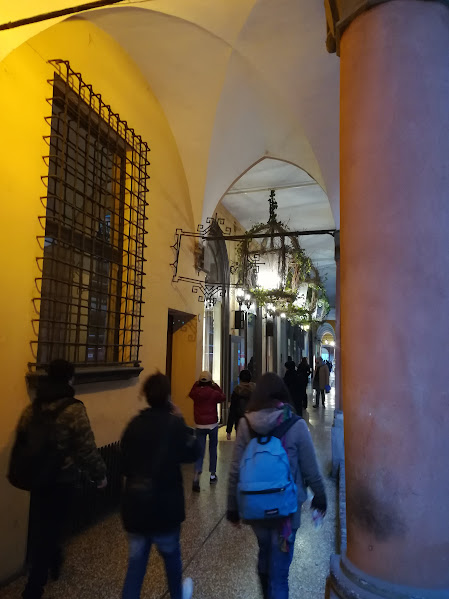
The Emilia-Romagna episode of Searching for Italy centred on Bologna and its surrounding food culture. Tucci explored the city’s pasta tradition in depth — the hand-rolled sfoglia, the strict rules around tortellini filling and folding, the width of tagliatelle codified at the Bologna Chamber of Commerce. He visited the Quadrilatero, Bologna’s ancient food market district, where salumerias, cheese shops, and fishmongers have operated side by side for centuries. And he made a point of eating in places that locals actually eat, rather than the tourist-facing restaurants clustered around the main piazzas.
For the full context of what he was tasting, our guide to traditional pasta dishes of Bologna covers every major pasta shape and where to find them prepared well, from tortellini in brodo to passatelli to lasagne verdi. The Bologna food guide maps the broader eating landscape — markets, neighbourhoods, the best addresses for each food type.
Tortellini — the Dish That Defines Bologna
Tucci was particularly taken by tortellini, and it is easy to understand why. These tiny hand-folded pasta parcels — filled with pork loin, mortadella, prosciutto, Parmigiano Reggiano, and a pinch of nutmeg, served in golden capon broth — are the most emotionally charged dish in Bolognese cuisine. Every nonna has her own technique for closing the fold. The Confraternita del Tortellino, a culinary brotherhood founded in 1964, maintains the official registered recipe and defends the dish against imitation and variation with considerable seriousness.
Tucci understood what the dish means: it is not just food, it is memory, ritual, and identity folded into a few grams of pasta. Our deep dive into tortellini: Bologna’s little rings of culinary perfection covers the history, the recipe, and where to eat them as they are meant to be eaten — in broth, never with cream.
Tagliatelle al Ragù — Not Spaghetti Bolognese
One of the most useful things Tucci did in the episode was clarify, for an international audience, that the dish the world calls “spaghetti bolognese” does not exist in Bologna. The meat sauce — slow-cooked beef and pork with soffritto, wine, and milk, simmered for hours — is served on tagliatelle, never spaghetti. The width of tagliatelle is, again, a matter of official record. The sauce itself should be restrained rather than abundant, clinging to the pasta rather than pooling beneath it.
This is a distinction that matters. Read tagliatelle al ragù: the quintessential Bolognese delight for the full story, including the cultural weight of the dish and the best places to eat it in the city.
Parmigiano Reggiano — Visiting a Dairy
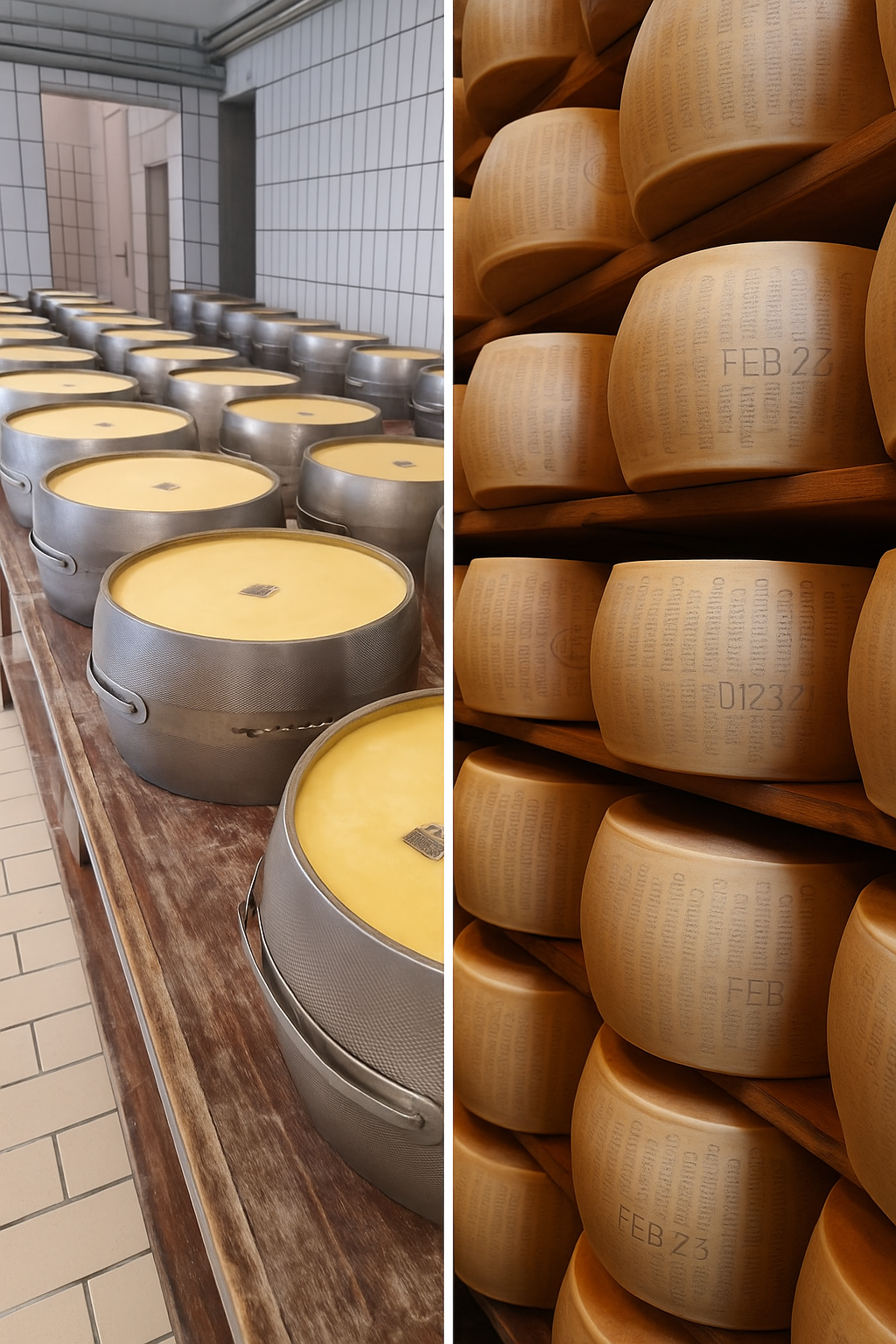
The Parmigiano Reggiano dairy visit is one of the most memorable sequences in the Emilia-Romagna episode. Tucci witnessed the process from the arrival of raw milk at dawn to the lifting of fresh wheels from copper vats, the brining, and the stacking of wheels in temperature-controlled aging rooms. He tasted cheese at different ages — 12, 24, 36 months — and the difference was visible in the texture (increasingly crystalline) and the flavour (deepening from milky to intensely savoury and almost caramel-like).
This is an experience that any visitor to the region can replicate. Our guide to the best Parmigiano Reggiano dairies to visit in Parma covers the options in detail, including dairies that welcome independent visitors and those that require a guide. The best food day trip from Bologna combines a dairy with a balsamic acetaia and a prosciutto facility for the most complete introduction to Emilia’s three most iconic products.
Prosciutto, Mortadella, and the Salumi Tradition
Tucci gave mortadella the treatment it deserves: not as a budget cold cut but as one of Italy’s great PDO-protected products, made exclusively in Bologna from finely ground pork seasoned with black pepper, myrtle berries, and pistachios. The genuine article — cut thick rather than paper-thin, eaten at room temperature — is utterly unlike the pale pink slices exported to the rest of the world under the same name.
Alongside mortadella, Emilia produces what many consider the finest cured meats in Europe: Prosciutto di Parma, aged in the mountain air south of the city; Culatello di Zibello, the rarest and most prized of all, made from the finest cut of the pig’s haunch and aged in the cold winter fogs of the Po plain. For a complete guide to the salumi culture of the region, salumi indulgence in Parma is the most thorough overview available, while Parma ham factories you can visit on your own covers how to see the production process firsthand.
Aceto Balsamico Tradizionale
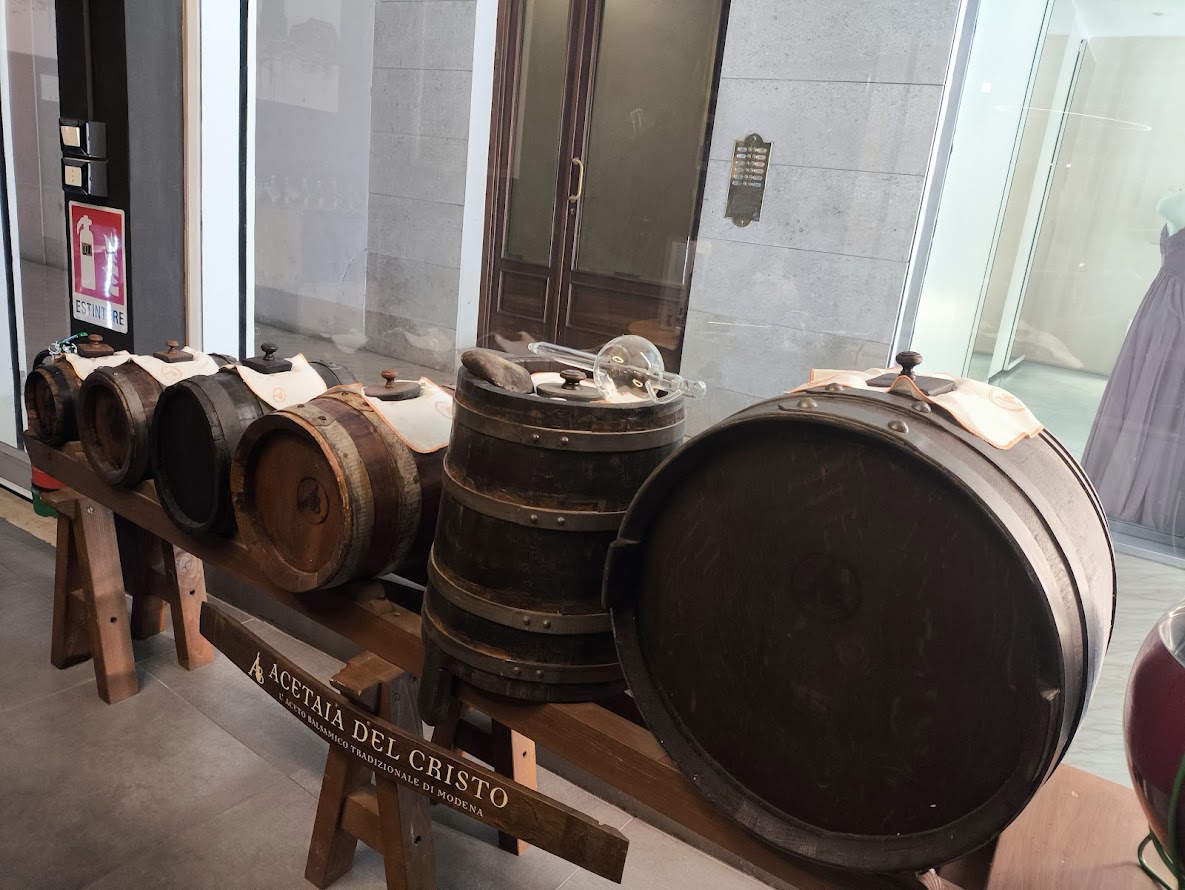
The balsamic vinegar segment of Tucci’s visit is instructive precisely because it forces a reckoning with what most people think they know about the product. Traditional balsamic vinegar — Aceto Balsamico Tradizionale di Modena DOP — is aged in a series of wooden barrels for a minimum of twelve years, often twenty-five or more. It is thick, intensely sweet-sour, and used by the drop rather than the spoonful. It costs considerably more than the bottles on supermarket shelves, and bears no meaningful relationship to them.
Understanding why the DOP designation matters is the key to understanding the product. Read why traditional balsamic vinegar of Modena has DOP status for the full explanation.
How to Plan Your Own Tucci-Inspired Trip
The itinerary Tucci followed is, essentially, the ideal introduction to Emilia-Romagna for any food-focused traveller. Bologna as a base, with day trips to Parma for prosciutto and Parmigiano, to Modena for balsamic vinegar, and to the Apennine villages for the quieter, older food traditions. The region is compact enough that all three cities are reachable within an hour of each other by train or car.
For the broader picture of the region’s food culture — its geography, its culinary history, and why it produces so many DOP-protected products — what food is Emilia-Romagna famous for is the most comprehensive overview on this site. For city-specific planning: how to plan your trip to Bologna, how to plan your trip to Parma, and how to plan your trip to Modena cover everything you need to know before you arrive.
Tucci ended his Emilia-Romagna episode with a line that has stayed with many viewers: that this is a region that takes food not as entertainment but as a form of identity. That is as accurate a summary of the place as any. Come here to eat seriously, and you will not be disappointed.
Discover more from Emilia Delizia
Subscribe to get the latest posts sent to your email.