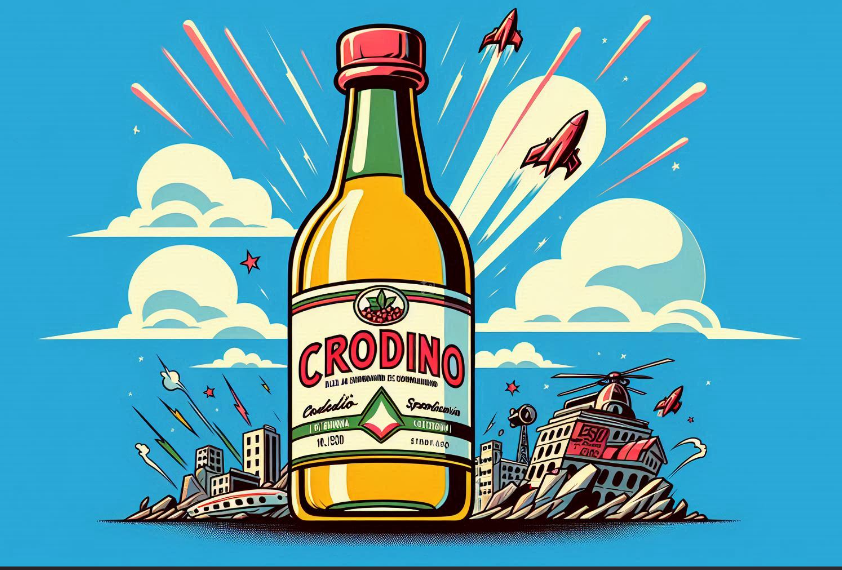
Italy is renowned for its rich culinary traditions, and one of the most cherished is the aperitivo. This pre-dinner ritual is not just about the drinks; it’s a social moment that brings people together to unwind and enjoy light refreshments before the main meal. While alcoholic beverages like Aperol Spritz and Negroni are often associated with aperitivo, Italy also boasts a variety of non-alcoholic options that are equally enjoyable. These non-alcoholic aperitivi, or aperitivi analcolici, offer a refreshing and sophisticated way to take part in this tradition without alcohol. If you’re curious to explore more authentic Italian food culture, you can also browse our local guides and experiences on the Emilia Delizia homepage.
The Tradition of Aperitivo
The concept of aperitivo dates back to ancient times when the Romans would enjoy a glass of wine mixed with honey and spices to stimulate the appetite. Over the centuries, this practice evolved, and by the 19th century it had become a staple of Italian social life. Today, aperitivo is typically enjoyed in the early evening, between 6 and 8 PM, and involves a variety of drinks and small bites known as “stuzzichini.”
Non-alcoholic aperitivi have gained popularity in recent years, driven by a growing interest in health and wellness. These beverages are crafted to offer the same complex flavors and refreshing qualities as their alcoholic counterparts, making them an appealing option for those who prefer to avoid alcohol.
Popular Non-Alcoholic Aperitivi
Several non-alcoholic aperitivi have become iconic in Italy, each with its own flavor profile and history. Here are some of the most popular options:
- San Pellegrino SanBittèr:
- Flavor Profile: Vibrant red, lightly fizzy, with citrus sweetness and a gentle bitterness.
- Serving Suggestions: Best served chilled, on its own or with a slice of orange. Also works well in non-alcoholic cocktails.
- Chinotto:
- Flavor Profile: Dark, bittersweet citrus with herbal notes, similar to a less sweet cola.
- Serving Suggestions: Serve cold or over ice, ideal with savory snacks.
- Crodino:
- Flavor Profile: Rich bittersweet taste with herbal and citrus notes.
- Serving Suggestions: Over ice with orange, or mixed into alcohol-free spritzes.
- Gingerino:
- Flavor Profile: Spicy ginger kick with light sweetness.
- Serving Suggestions: Chilled, neat, or topped with soda and lime.
The Bitter Element: Crodino and SanBittèr
One defining characteristic of many Italian aperitivi is bitterness. This stimulates the appetite and prepares the palate for food. Two of the most popular non-alcoholic bitter aperitivi are Crodino and SanBittèr.
Crodino:
- History and Production: Produced since 1964 in Crodo, Piedmont, using a secret blend of herbs, spices and fruits.
- Flavor Profile: Balanced bittersweet taste with herbal depth and citrus freshness.
- Serving Suggestions: Over ice with citrus or mixed with soda for a spritz-style drink.
SanBittèr:
- History and Production: Introduced by San Pellegrino in 1961.
- Flavor Profile: Bold bitter orange with grapefruit notes.
- Serving Suggestions: Chilled, neat, or as a mixer in alcohol-free cocktails.
The Appeal of Non-Alcoholic Aperitivi
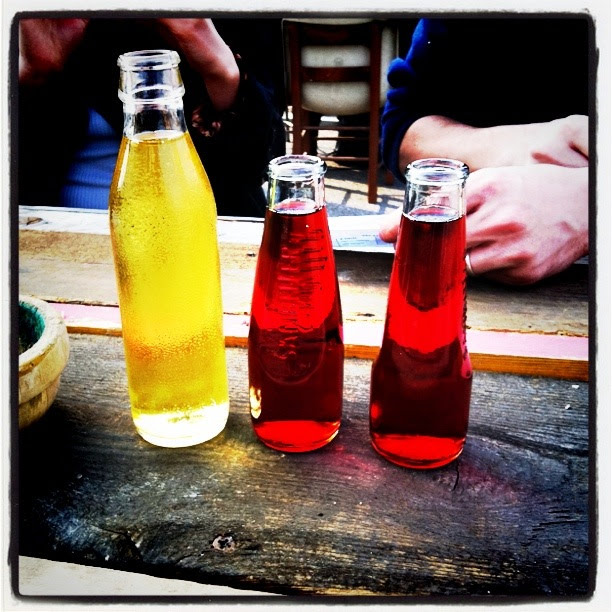
The rise of non-alcoholic aperitivi reflects greater awareness of health and lifestyle choices. These drinks preserve the ritual, complexity and social pleasure of aperitivo without alcohol.
Crafted with botanicals, herbs and spices, they deliver layered flavors that appeal to a wide range of palates — from sweet to bitter and spicy.
They are also versatile: suitable for social gatherings, pre-dinner moments or simply as a refreshing drink on warm days.
Conclusion
Italian non-alcoholic aperitivi offer a refined way to enjoy the aperitivo tradition without alcohol. Drinks such as Crodino and SanBittèr stimulate the appetite and prepare the palate for a meal. Whether you’re seeking a health-conscious alternative or simply enjoy complex flavors, these beverages are a natural choice. If you’d like to deepen your exploration of Italian food culture, regional products and authentic experiences, you can discover more curated guides and tours on Emilia Delizia.
Discover more from Emilia Delizia
Subscribe to get the latest posts sent to your email.