A Practical Guide for First-Time Visitors in Parma, Emilia-Romagna, Italy.
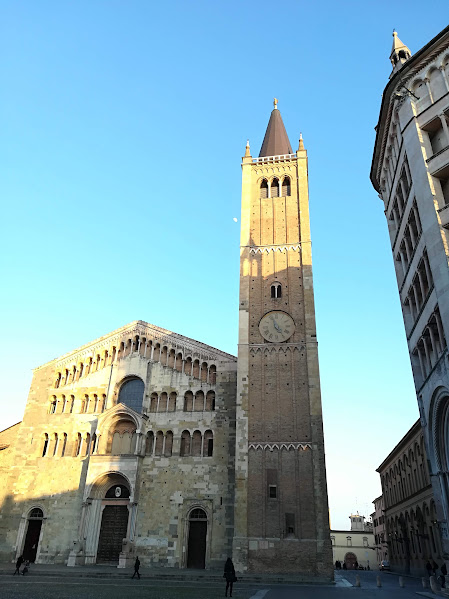
Planning a trip to Parma is an excellent choice for travellers interested in Italian food culture, Romanesque art, elegant historic cities, and authentic local traditions. While Bologna often dominates itineraries in Emilia-Romagna, Parma offers a more refined and relaxed experience, deeply rooted in gastronomy, music, and centuries-old craftsmanship.
Parma is internationally known for Prosciutto di Parma and Parmigiano Reggiano, but the city also boasts remarkable architecture, leafy parks, a rich operatic tradition, and a compact historic centre that rewards slow exploration. It is an ideal destination for food lovers who want substance rather than crowds.
Despite its manageable size, Parma rewards careful planning. Decisions about when to visit, where to stay, how long to spend, and how to organise food experiences can dramatically shape the quality of your trip. This guide brings together practical advice to help you plan your Parma itinerary intelligently, drawing on local knowledge from specialists who have operated food-focused experiences in the region for many years.
If this is your first time visiting the area, you may also want to explore our broader overview of the city here: Things to Do in Parma.
Getting to Parma
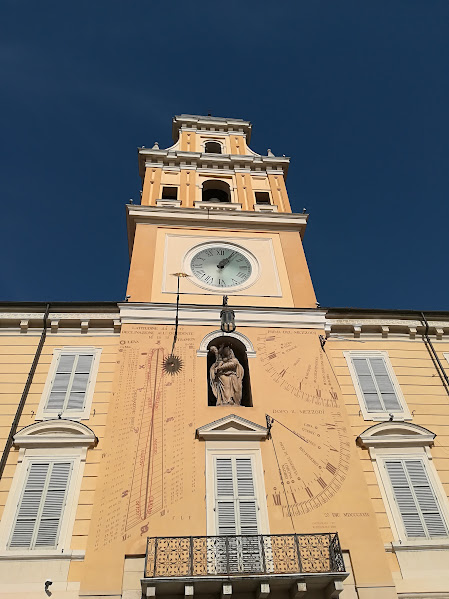
Parma is well connected by train and road, making it easy to include in a wider Emilia-Romagna itinerary. Parma railway station sits on the Milan–Bologna line, with frequent regional and high-speed connections.
Approximate travel times:
- Bologna → Parma: about 1 hour
- Milan → Parma: 1–1.15 hours
- Florence → Parma: around 2 hours (with a change)
If you are flying into northern Italy, Bologna Airport is the most practical hub, followed by a train connection. Milan airports are also feasible but usually require longer transfers.
Parma is also a popular base for exploring the surrounding countryside, particularly the hills south of the city where many food producers are located.
If you planning to drive around Parma you can have a look at our guide about avoiding driving penalties and safe parking.
Getting Around Parma
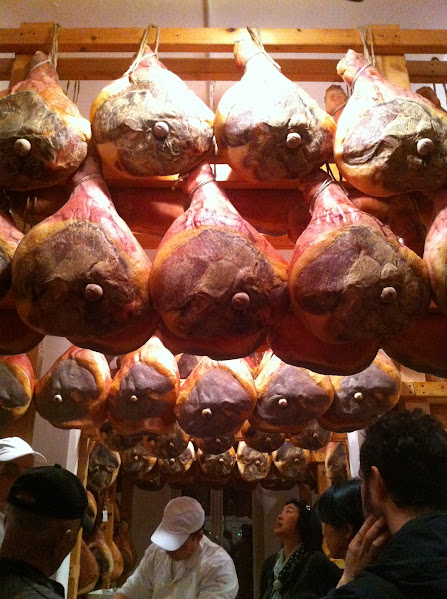
Parma’s historic centre is compact, flat, and walkable. Most major attractions, restaurants, cafés, and shops are within comfortable walking distance.
Local buses cover the wider city and residential districts, but visitors spending most of their time in the centre rarely need public transport. Taxis are available but limited, so advance booking is recommended during peak periods.
Travellers planning visits to Parma ham producers or rural food experiences should be aware that public transport is limited outside the city. For countryside visits, a car or organised transport is usually necessary. Here our guide for getting around Parma.
Where to Stay in Parma
Choosing the right location can significantly improve your stay. Accommodation in or near the historic centre offers the best balance of walkability, atmosphere, and access to restaurants and cultural sites. For this we created a guide about the best hotels in Parma.
Areas closer to the railway station can be convenient for short stays or onward travel, while neighbourhoods just outside the centre often offer better value and quieter evenings.
If your trip includes early-morning food tours or countryside visits, accommodation with easy vehicle access can simplify logistics.
Best Time to Visit Parma
Spring and autumn are the most pleasant times to visit Parma, offering mild temperatures, seasonal cuisine, and a lively local atmosphere. These periods are particularly appealing for food-focused travellers.
Autumn is especially important in Parma’s culinary calendar. One of the most distinctive events is NovemberPorc, a series of festivals dedicated to pork and traditional charcuterie held in towns around Parma.
NovemberPorc: Possibly the Best Culinary Event in Parma
Summer can be hot and humid, while winter is quieter and more subdued, though still enjoyable for museum visits and restaurant-focused trips.
Looking for an authentic food experience?
Join our Foodie’s Delight Tour – Parmigiano Reggiano, balsamic vinegar & cured meats in one unforgettable day.
Parma Cathedral and Historic Centre
At the heart of Parma lies one of Emilia-Romagna’s most important Romanesque complexes. Parma Cathedral and the Baptistery are unmissable landmarks, both architecturally and artistically.
The cathedral’s interior, frescoes, and sculptural details reflect Parma’s medieval power and cultural sophistication, while the Baptistery stands as one of the finest examples of Romanesque-Gothic transition architecture in Italy.
For a deeper understanding of this extraordinary site, see: Exploring Parma’s Crown Jewel: A Comprehensive Guide to the Parma Cathedral.
The surrounding historic centre is ideal for slow exploration, with elegant streets, cafés, small shops, and green spaces.
Food Culture in Parma
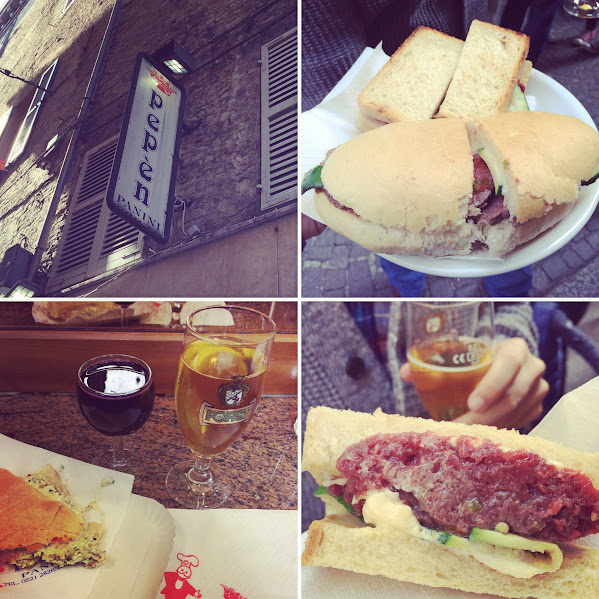
Food defines Parma’s global reputation. The city and surrounding countryside are home to producers of Prosciutto di Parma, Parmigiano Reggiano, fresh pasta, and traditional sauces that form the backbone of Emilia-Romagna cuisine.
Many visitors underestimate how valuable it is to experience these products at the source, rather than only in restaurants. Seeing how they are made adds context, depth, and appreciation to every meal that follows.
If you are planning where to eat in the city, you may find this guide useful: Restaurants in Parma.
How Many Days Do You Need in Parma?
Parma can be enjoyed as a day trip, but it truly shines with at least two days. This allows time to explore the historic centre, enjoy relaxed meals, and possibly visit food producers outside the city.
For a balanced short stay, see: Parma in 48 Hours.
Travellers with a strong interest in gastronomy often benefit from an additional day dedicated to countryside visits.
Parma Ham and Food Tours
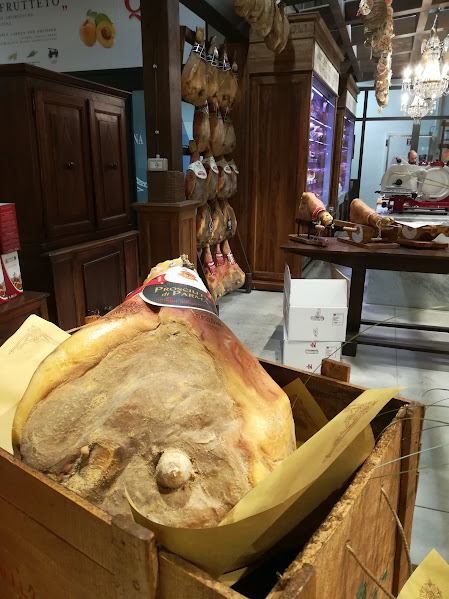
One of the highlights of any visit is experiencing Prosciutto di Parma where it is produced, particularly in the hills around Langhirano. Visits typically include an explanation of the curing process, ageing rooms, and tastings.
Parma Ham Tour – Prosciutto di Parma Experience
For visitors who want a broader introduction to Parma’s culinary heritage — combining tastings, local stories, and expert guidance — a dedicated food tour can provide valuable insight.
Practical Travel Advice
Restaurants in Parma often require reservations, particularly on weekends. Markets are most active in the morning. Credit cards are widely accepted, but small shops may still prefer cash.
Comfortable walking shoes are recommended due to cobblestones and pedestrian areas. In summer, plan sightseeing earlier in the day and enjoy slower afternoons.
Planning Your Parma Experience
Parma is an easy city to explore independently, but travellers seeking deeper access to food producers, countryside logistics, and cultural context often benefit from guided experiences.
If you are planning a trip focused on gastronomy, consider combining city exploration with a structured food experience to maximise what you learn — and taste — in a limited timeframe.
Related Guides
- Things to Do in Parma
- Parma in 48 Hours
- Restaurants in Parma
- NovemberPorc (Parma)
- Parma Cathedral Guide
- Parma Ham Tour
- Parma Food Tour
Discover more from Emilia Delizia
Subscribe to get the latest posts sent to your email.