Bologna is not a city that improvises when it comes to food. Its cuisine is governed by rules, memory, and a deep respect for tradition. Here, pasta is not a canvas for creativity but a cultural language passed down through generations, shaped by geography, seasons, and precise techniques.
Visitors come to Bologna to admire medieval towers, wander through the Quadrilatero market area, and explore museums — but they stay for the food. In particular, Bologna’s pasta tradition alone is reason enough to visit. If you spend a full week in the city, you could eat a different traditional pasta dish every day without repetition.
Below is a curated guide to the most important Bolognese pasta dishes, what they represent culturally, and where to try them prepared according to tradition. If you want to go beyond eating and learn the craft itself, our guide to making tagliatelle with a rolling pin in Bologna walks through the sfogline technique step by step.
Tortellini
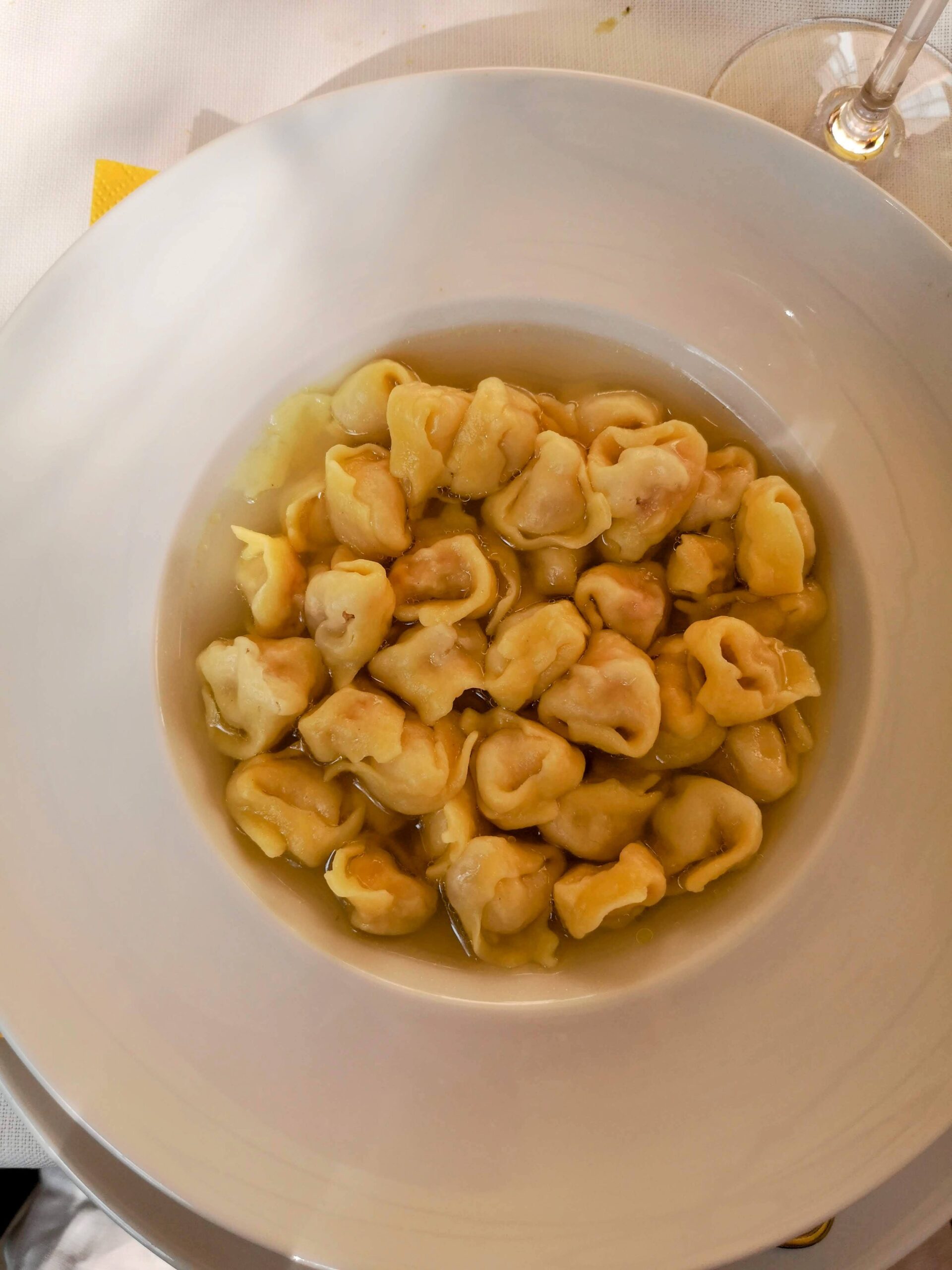
Tortellini are the most symbolically charged pasta in Bologna. According to legend, their shape was inspired by a noblewoman’s navel glimpsed through a keyhole in Castelfranco Emilia. While the story is romantic, the rules surrounding tortellini are strict.
Traditionally filled with pork loin, mortadella, prosciutto, Parmigiano Reggiano, and nutmeg, tortellini are served exclusively in broth. Any other preparation is considered non-traditional in Bologna.
Where to try: Trattoria Anna Maria (closed Mondays).
For a deeper look at this iconic pasta, read Tortellini: Bologna’s little rings of culinary perfection. And for the full story of the trattoria where they are made and served with exceptional care, see our profile of Trattoria Anna Maria: the heartbeat of Bolognese culinary tradition.
Lasagne
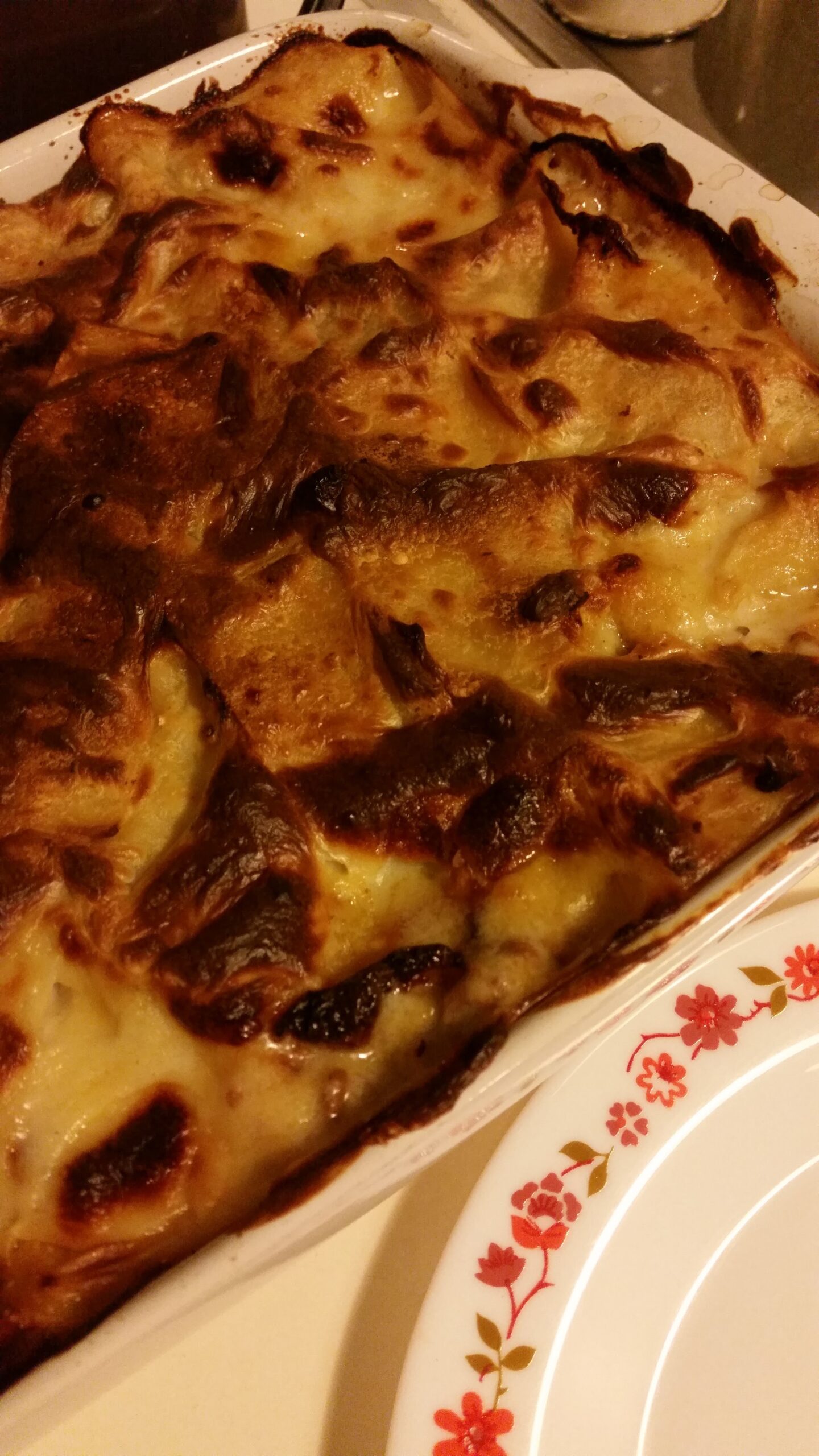
Lasagne is one of Bologna’s most celebrated dishes and a reference point for the city’s culinary identity. Made with fresh egg pasta, slow-cooked ragù, béchamel, and Parmigiano Reggiano, traditional lasagne is about balance rather than excess.
In Bologna, lasagne is never overloaded with sauce or cheese. Locals often say it tastes best the day after baking, once the flavors have had time to settle and integrate.
Where to try: Osteria Satyricon.
For the full cultural and culinary context, read Lasagne Verdi: a vibrant journey through Bologna’s layered tradition — including the story behind the green sheets made with spinach pasta dough.
Tortelloni
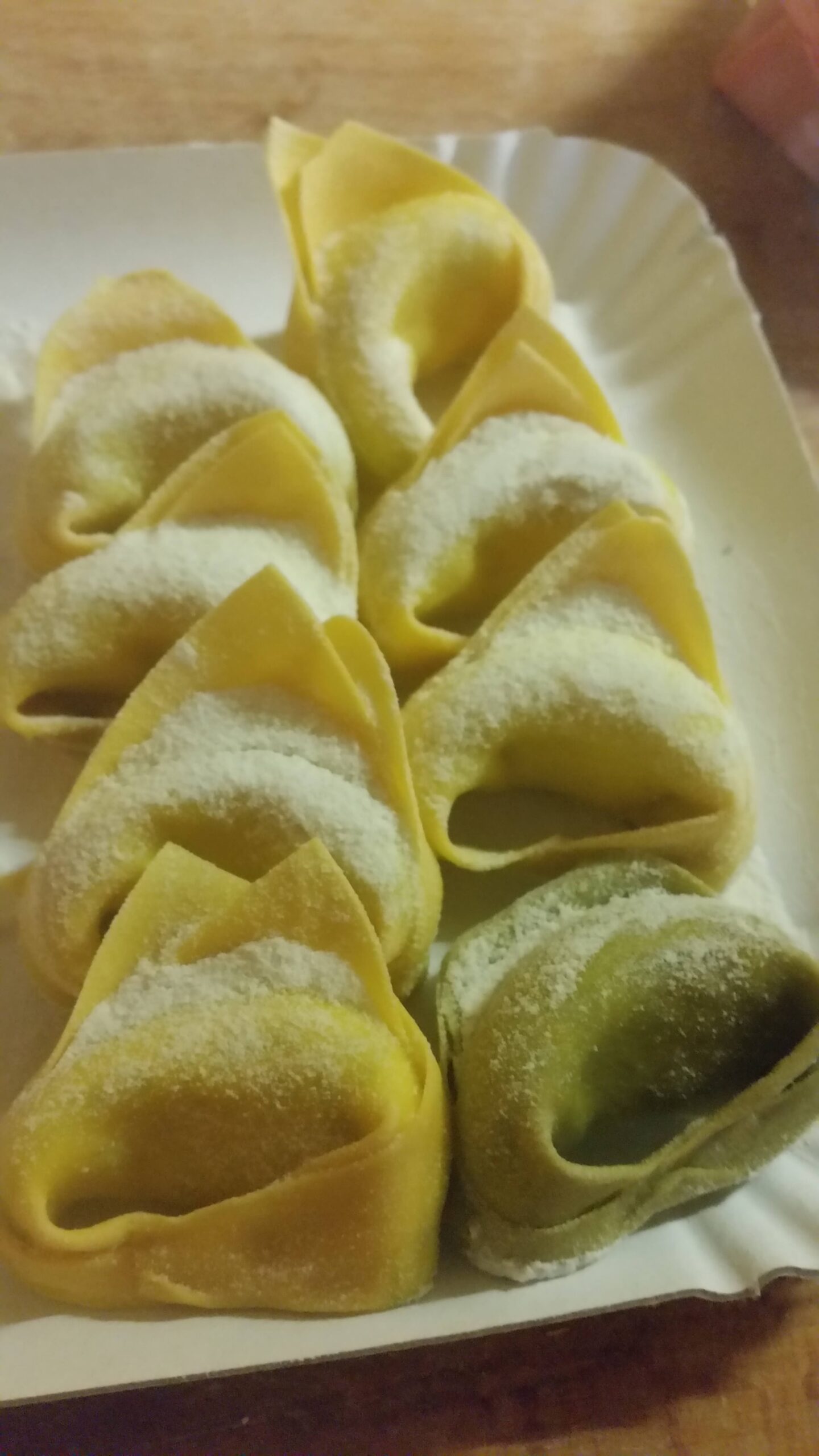
Tortelloni resemble tortellini but are larger and lighter. Filled with ricotta and spinach, they are typically served with butter, sage, and Parmigiano Reggiano — never in broth.
In Bologna, tortelloni are often associated with springtime menus and home cooking. Their delicate filling and thinner pasta make them easier to digest while remaining deeply satisfying.
Where to try: Ristorante Diana.
To learn more about this pasta and its place in the Bolognese tradition, read Tortelloni: the generous pockets of Bolognese flavor. Ristorante Diana is one of Bologna’s historic dining rooms — our full profile of Ristorante Diana: a century-long legacy of elegance and Bolognese excellence covers the restaurant in detail.
Passatelli
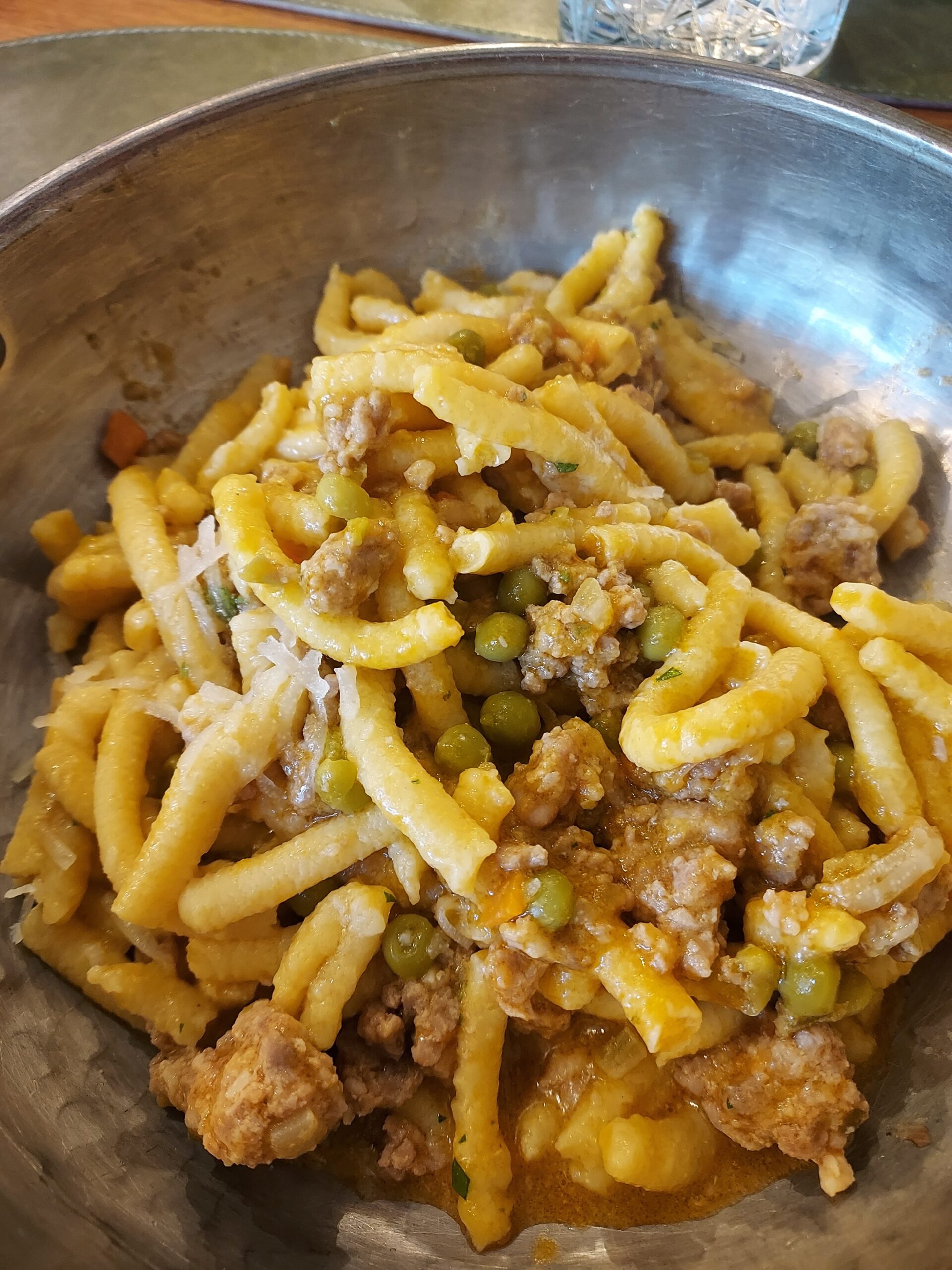
Passatelli are a reminder that Bolognese pasta does not always rely on flour alone. Made from breadcrumbs, eggs, and Parmigiano Reggiano, the dough is pressed through a special iron to create short, irregular strands.
See where the food actually comes from.
The Emilia Delizia food tour takes you inside working Parmigiano, balsamic, and ham producers — rated 4.9 stars on TripAdvisor.
Traditionally served in broth, passatelli absorb flavor while maintaining a distinctive texture. Although modern variations exist, the broth version remains the cultural reference point.
Where to try: Trattoria dal Biassanot (booking recommended on weekends).
Trattoria dal Biassanot is one of Bologna’s most respected addresses for traditional handmade pasta. Read our profile of crafting pasta perfection at Trattoria dal Biassanot for a closer look at the kitchen and the traditions behind it.
Tagliatelle
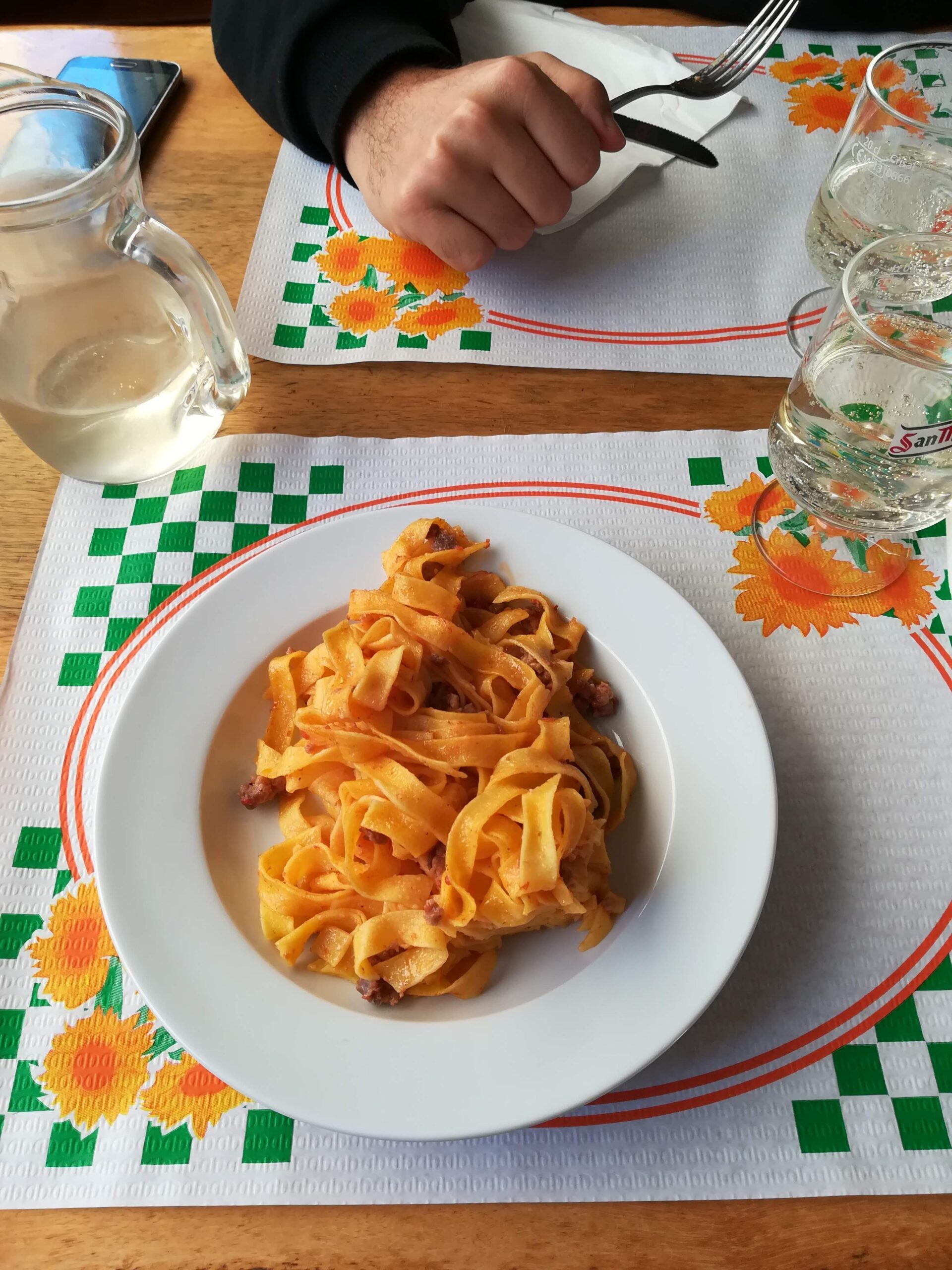
Tagliatelle are flat ribbons of egg pasta traditionally paired with ragù alla bolognese. Their width is famously codified, with a gold replica preserved at the Bologna Chamber of Commerce.
In Bologna, tagliatelle are judged by texture and restraint. The sauce should cling lightly to the pasta rather than overwhelm it.
Where to try: Osteria dell’Orsa (no reservations accepted).
For the full history of this dish — including why the exact width of tagliatelle is registered at the Bologna Chamber of Commerce — read Tagliatelle al Ragù: the quintessential Bolognese delight.
Cannelloni
Cannelloni are large pasta tubes filled with ricotta, spinach, or meat and baked with béchamel. While less common on everyday menus, they are deeply tied to festive and Sunday cooking.
The Bolognese version prioritizes softness and cohesion rather than crisp edges or heavy layering.
Where to try: Antica Trattoria del Pontelungo (reservations recommended).
Rosette
Rosette are rolled pasta slices layered with béchamel, cheese, and cured meats, baked until tender and aromatic. Nutmeg is often used sparingly to add warmth without overpowering the dish.
Although rosette are more commonly associated with home cooking, they remain an important part of the region’s baked pasta tradition.
Where to try: Trattoria Aldina in Modena (open for lunch only, no reservations).
Where to Eat Pasta in Bologna
Beyond the individual restaurants mentioned above, Bologna has a wider ecosystem of exceptional pasta addresses. Bologna’s premier pasta spots: the ultimate list is the most comprehensive guide to where locals and serious visitors eat. For a more intimate setting, La Baita Vecchia Malga offers a deep dive into Bologna’s authentic pasta palette, while Osteria Broccaindosso is one of the city’s best-kept secrets for hand-rolled sfoglia.
If you want to understand why pasta matters so much in this part of Italy, Celebrating World Pasta Day: a journey through Italy’s pasta heritage puts the Bolognese tradition in its national context.
For travellers looking to experience these dishes efficiently while exploring the city on foot, a structured plan can help. This 48-hour Bologna itinerary connects food traditions with the city’s historic centre and main landmarks.
Discover more from Emilia Delizia
Subscribe to get the latest posts sent to your email.