Bologna Travel Guide: What to Eat, See & Experience

Bologna – The church of San Luca
Bologna is one of Italy’s most rewarding cities for travellers who want substance over spectacle. Home to the oldest university in the Western world, famous for its porticoes, and revered for its food culture, Bologna combines history, everyday life, and gastronomy in a way few Italian cities still do.
What to Eat in Bologna
Over the past two decades, Bologna has become a true pilgrimage destination for food lovers. Visitors arrive from the USA, Canada, Australia, Japan, and beyond for one simple reason: to eat well. The city’s reputation is built on fresh egg pasta, slow-cooked sauces, and cured meats prepared according to centuries-old traditions.
Classic dishes include tagliatelle al ragù (never spaghetti), lasagne, tortellini, tortelloni, maltagliati, and gramigna. Local breads such as crescentine (also called tigelle) are traditionally served with cured meats and soft cheeses and remain a staple of everyday Bolognese cuisine.
Gnocco Fritto and Crescentine Fritte
Gnocco fritto — known as crescentine fritte in Bologna and torta fritta in Parma — is dough fried in lard and served hot with prosciutto and other salumi. It is indulgent, unapologetic, and essential.
Mortadella: Bologna’s Iconic Salume
Mortadella di Bologna IGP is one of Italy’s most misunderstood products abroad. The authentic version is made from finely ground prime pork, delicately seasoned, and slowly cooked for many hours. Served thinly sliced or cubed, it is a cornerstone of the city’s food identity.
What to See in Bologna
After generous meals, Bologna invites you to walk. One of the most rewarding routes is the 4 km porticoed walk to the Sanctuary of San Luca, climbing gently above the city. Other highlights include the Torre degli Asinelli, Piazza Maggiore, the Basilica of San Petronio, and the anatomical theatre of the Archiginnasio.
Where to Stay in Bologna
Bologna is a major transport hub, well connected by train, motorway, and airport. Accommodation near the central station or Piazza Maggiore is ideal for first-time visitors. During major trade fairs, prices can rise, and nearby cities such as Modena (20 minutes by train) offer excellent alternatives.
Well-known hotels include the Grand Hotel Majestic “già Baglioni”, Starhotels Excelsior, Mercure, and several reliable mid-range options.
Where to Eat in Bologna
Historic restaurants such as Diana and Caminetto d’Oro are long-established but often expensive. For a more local experience, trattorie like Anna Maria (Via delle Belle Arti) or smaller neighbourhood restaurants offer traditional cooking at more accessible prices.
Cookery Classes & Food Experiences
For travellers who want to engage more deeply with local cuisine, hands-on experiences are widely available. Cooking classes focused on fresh egg pasta often include visits to local markets and offer a practical introduction to Bolognese food culture.
Food Experiences Beyond the City
Bologna is also an ideal base for exploring Emilia-Romagna’s most famous food producers. Visitors interested in understanding how Parmigiano Reggiano, traditional balsamic vinegar, and cured meats are made may choose to join a full-day producer-focused food experience starting from Bologna, which connects the city’s cuisine to its rural origins.
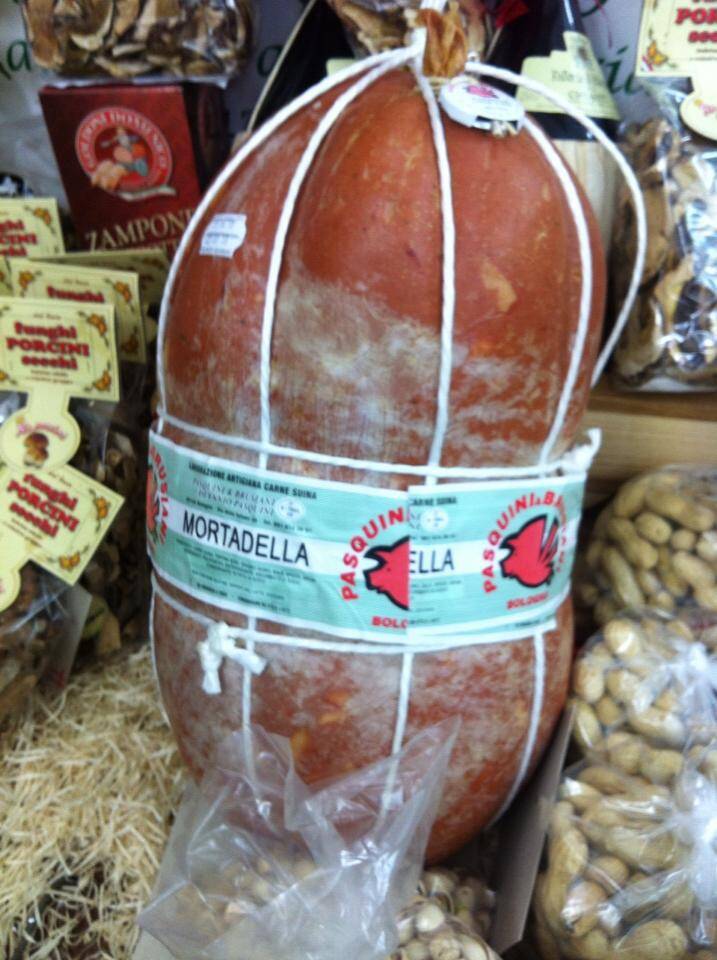
Typical products of Bologna: artisanal mortadella
Submit your review | |
I was in Bologna in 2003 for only a day so decided to return there last month to have a better look around. I wasn't disappointed - it is a beautiful place. We did the 3 food Gourmet tour which was brilliant and also managed to spend a few days doing day trips to Ravenna to see the magnificent Mosaics and Ferrara which is worth a visit as well.
Loved Bologna and particularly enjoyed the food tour. I'll do that one again with a few variations next time - maybe the winery....
Discover more from Emilia Delizia
Subscribe to get the latest posts sent to your email.